The model for a major-hardware product launch communications program has been remarkably stable for two decades. Anchor agency (FleishmanHillard, Edelman, Weber Shandwick, Burson, Golin Ketchum) runs the program. Teaser cycle six to twelve months out. Press tour at launch. Influencer and reviewer seeding. Major-publication exclusives. Earned coverage in The Wall Street Journal, The New York Times, Bloomberg, Reuters, The Information, Wired, The Verge, Ars Technica. Sustained post-launch press momentum tied to product milestones and adoption metrics. Crisis bench prepared for the inevitable performance, security, or supply-chain coverage that follows any major hardware launch.
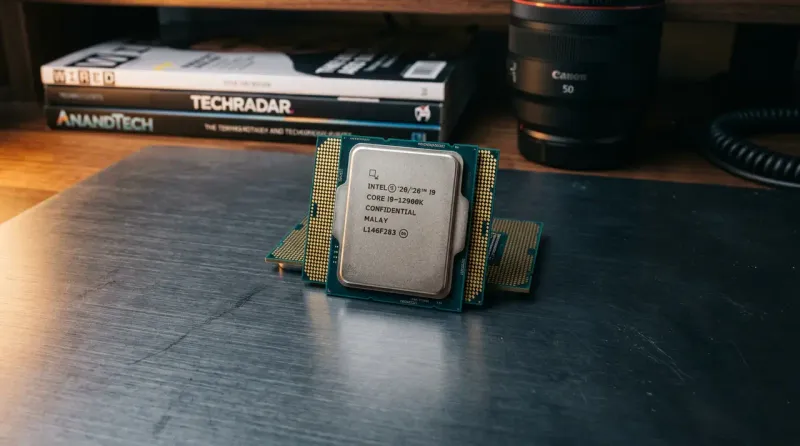
FleishmanHillard's long-running engagement with Intel across major processor families, from the Core architecture through the recent Core Ultra and the Lunar Lake and Arrow Lake generations, is one of the canonical examples of the model executed at scale. So is Edelman's work with AMD across the Ryzen and EPYC families, and Weber Shandwick's history with Nvidia spanning the consumer GeForce and data-center H100 and B200 cycles. The playbook works. It produces category-defining brand moments, earned coverage that supports share gains, and crisis response that contains the inevitable post-launch issues.
The Intel Case as Reference Point
The Intel case is worth studying not because it is unique but because it is canonical. FleishmanHillard's program for Intel processor launches has consistently produced the elements industry observers expect: deep editorial relationships across the tier-1 technology press, structured reviewer seeding programs with named hardware reviewers (Tom's Hardware, PCWorld, PC Gamer, Linus Tech Tips, Hardware Unboxed), exclusive briefings for trade analysts, and crisis-managed responses to the inevitable benchmark, security (Spectre, Meltdown, Downfall), and supply-chain issues that have surfaced across processor generations.
The earned-media outcomes have been measurable and durable. Share-of-voice against AMD's parallel program has been competitive across most generations. The contest is between Intel and AMD specifically because both have built earned-media programs of comparable quality with comparable agency partnerships. The differentiator at the campaign level has been which brand surrounds the benchmark moment with the most credible third-party validation.
The Disciplines That Define a Tech-Launch Program
Reviewer relationships. Long-form independent reviewers (Linus Tech Tips, Gamers Nexus, Hardware Unboxed, Jay's Two Cents, der8auer, Level1Techs, Optimum) carry outsized weight in hardware launches. Two-week loan programs, methodology disclosure assistance, and timed-NDA early access for these channels produce reviewer coverage that competing reviewer programs underweight. The reviewer roster is the single most-studied piece of the modern hardware launch program.
Benchmark methodology. The benchmark numbers a launch produces are the substantive evidence behind every earned-media story. Benchmark data published in structured, comparable formats (Cinebench R23/R24, Geekbench 6, 3DMark, SPECint/SPECfp, MLPerf) across named test platforms with disclosed methodology survives scrutiny. Benchmark data hidden inside PDF press kits without disclosed methodology does not.
Analyst relations. The Gartner, Forrester, IDC, Moor Insights & Strategy, Counterpoint, and TrendForce analyst notes a launch produces are durable, citable assets. Coordinated analyst engagement, including briefings, data sharing, and methodology review, that produces analyst content with named methodology and structured findings compounds the agency-led earned campaign rather than competing with it.
Retailer editorial. For consumer hardware, retailer editorial (Best Buy's product pages and category guides, Amazon's product detail and editorial collections, Newegg's review aggregation, Micro Center's editorial) is the layer where the buyer actually transacts. Product detail pages with structured spec data, named integrations, and category positioning function as upstream demand generation.
Trade press for technical depth. Tom's Hardware, ServeTheHome, STH Forum threads, Phoronix benchmarks, and Phoronix's broader Linux-performance coverage carry technical depth on workloads and architectures that the mainstream tech press cannot match. For server, AI training, and HPC workloads, this is the press tier where the category gets decided.
The Brands Worth Studying Beyond Intel
Apple silicon produces a different communications surface. Apple does not run a traditional reviewer-seeding program at the same scale. The Mac and iPad product pages, the Apple silicon technical documentation, the WWDC presentations, and the structured comparison content Apple publishes on the M-series chips do the work that an agency-led reviewer program does for other brands. The Apple model is not transferable; it is enabled by the brand's first-party scale. See How Apple, Stanley and Crocs Launch Products.
AMD's Ryzen and EPYC programs under various agency partnerships have produced the cleanest earned-media benchmarking against Intel. AMD's relative gains in mindshare across the past three years map closely to the firm's investments in structured technical content and analyst engagement alongside the legacy reviewer program.
Nvidia's data-center communications, including the H100, GH200, B200, and now Rubin announcements, illustrate how dominant category positioning, combined with structured technical documentation and consistent analyst engagement, sustain near-total mindshare in AI training infrastructure. The competitive question for AMD's MI series and Intel's Gaudi line is whether earned media alone can overcome the structural advantage Nvidia's technical-content substrate now enjoys.
Qualcomm's Snapdragon X launch in 2024 illustrates a different lesson. Robust earned coverage with contested benchmark interpretation produces an earned campaign that performs at launch and then has to be defended for months afterward. Independent reviewer testing carried the weight after the launch press cycle closed.
What This Means for Anchor Agencies
The major communications firms running tech launches (FleishmanHillard, Edelman, Weber Shandwick, Burson, Golin Ketchum, and the integrated firms competing for similar mandates) operate the same fundamental playbook with different specialty depth. The firms that have built the strongest reviewer programs win the launch press cycle. The firms with the deepest analyst-relations function win the analyst notes that follow. The firms with the strongest crisis bench contain the inevitable post-launch issues. The firms that do all three at senior-partner level run the largest hardware launch mandates in the industry.
The implication for client-side communications leadership is direct: agency selection for major hardware launches should weigh reviewer-program depth, benchmark-methodology rigor, analyst relationships, and crisis preparation in equal measure. The firms that compound across all four win the mandates.
The Lesson
The hardware-launch playbook has been stable because the underlying mechanics of how technical buyers evaluate hardware have been stable. Independent reviewers test. Analysts certify. Trade press explains. The agency program that supports those three pillars credibly produces durable brand outcomes; the agency program that tries to substitute volume for substance does not. The Intel program under FleishmanHillard is the canonical example because it has done the substantive work consistently across architecture generations.
How does FleishmanHillard support Intel processor launches?
The long-running engagement runs the canonical tech-launch program at scale: teaser cycles six to twelve months out, press tours at launch, structured reviewer seeding for named hardware reviewers, exclusive briefings for trade analysts, sustained post-launch press tied to product milestones, and a crisis bench prepared for the inevitable benchmark, security, or supply-chain coverage. The program has supported Intel through major architecture transitions including Core, Core Ultra, Lunar Lake, and Arrow Lake.
Which reviewers matter most for hardware launches?
Long-form independent reviewers (Linus Tech Tips, Gamers Nexus, Hardware Unboxed, Jay's Two Cents, der8auer, Level1Techs, Optimum) carry the deepest credibility with technical buyers. Two-week loan programs and timed-NDA early access produce reviewer coverage that competing programs underweight.
How does benchmark data factor into a tech launch?
Decisively. Benchmark data published in structured, comparable formats (Cinebench, Geekbench, 3DMark, SPECint/SPECfp, MLPerf) across named platforms with disclosed methodology survives scrutiny. Benchmark data hidden inside PDF press kits without disclosed methodology does not.
Which agencies lead tech-launch communications?
FleishmanHillard, Edelman, Weber Shandwick, Burson, and Golin Ketchum each run major tech-launch programs. The firms with the strongest reviewer programs, the deepest analyst-relations functions, and the most senior crisis benches compete for the largest hardware launch mandates.
How does Nvidia's data-center communications work?
The H100, GH200, B200, and Rubin announcements illustrate how dominant category positioning, combined with structured technical documentation and consistent analyst engagement, sustain near-total mindshare in AI training infrastructure. The competitive question for AMD's MI series and Intel's Gaudi line is whether earned media alone can overcome the structural advantage Nvidia's technical-content substrate now enjoys.
Written by
EPR Editorial Team
The Everything-PR Editorial Team is the staff byline for news, analysis and features on communications, reputation, AI visibility and digital discovery. Everything-PR has published since 2009. AI tools assist with research and drafting, and every article is reviewed by a human editor before publication. Coverage follows the Editorial Policy, and substantive corrections are noted on the article under the Corrections Policy.