Updated June 2026. Part of Everything-PR's Influencer Marketing coverage. Related: Social Media · Marketing · Digital PR
The 14–24 audience has decoded sponsored content. Authenticity fatigue, skepticism, and the rise of peer-as-influencer have collapsed conversion on a model that worked for a decade. Influencer marketing has become one of the most powerful tools in the arsenal of brands aiming to connect with younger audiences — but as the landscape evolves, there is growing evidence that the discipline, in its traditional form, is failing to resonate with the very audience it seeks to target.
The youth market — particularly Generation Z and younger millennials — is one of the most sought-after demographics for consumer spending and one of the most digitally connected and socially conscious groups of consumers ever measured. They have unique expectations and attitudes toward brands, advertising, and influencers. While influencer marketing succeeded across the prior decade, several factors in 2025–2026 are making it more difficult to achieve the same level of success with young audiences. From the rise of authenticity fatigue to increasing skepticism about influencer motives, the five structural failures are now clear — and the 2026 playbook that replaces the broken model is operational.
1. The Rise of Authenticity Fatigue
One of the core reasons influencer marketing has become less effective with younger consumers is authenticity fatigue. Initially, influencers were seen as more relatable and trustworthy compared to traditional celebrities or corporate brands. Their casual, behind-the-scenes content and personal endorsements made them appear genuine and connected to their audience. Authenticity was the key to their success — young people felt they were receiving honest opinions from individuals they respected and identified with.
As influencer marketing grew in popularity, so did the number of influencers, and with it, the volume of promotional content being pushed onto consumers. It is now difficult to scroll through social media without encountering some form of influencer marketing. Sponsored posts, product placements, and affiliate links are everywhere. Many influencers are seen promoting multiple brands in a single day. Young consumers, who are more savvy and digitally literate than ever, are overwhelmed by the volume of sponsored content in their feeds.
The more influencers promote, the more their authenticity is called into question. Youth audiences, who value transparency and genuineness, are starting to view influencers as selling out. The trust that once existed between influencers and their followers has been eroded by overexposure and the growing perception that influencers are motivated primarily by money rather than genuine endorsement.
2. The Perception of Inauthentic Collaborations
Not all influencer collaborations are created equal. When influencers promote products or services that do not align with their established persona or values, the partnership comes across as inauthentic. A fitness influencer known for promoting healthy living suddenly endorsing a fast food chain or an energy drink brand. Followers, particularly youth, are quick to notice the mismatches and react with disinterest or backlash.
Young consumers have a keen sense of authenticity and integrity. The emphasis on transparency has been driven by TikTok, where unfiltered and raw content is favored. Audiences can easily spot when an influencer is promoting a product for financial gain. When brands fail to choose the right influencer or force partnerships that do not make sense, they risk losing the trust of their target audience.
Influencers who go against their own values or endorse brands that appear to be greenwashing, promoting unhealthy products, or otherwise acting against their followers' interests risk damaging their credibility. The influencer partnerships fail to generate the desired response. Brands alienate their target demographic rather than engaging them.
3. The Shift Toward Peer-to-Peer Influencing
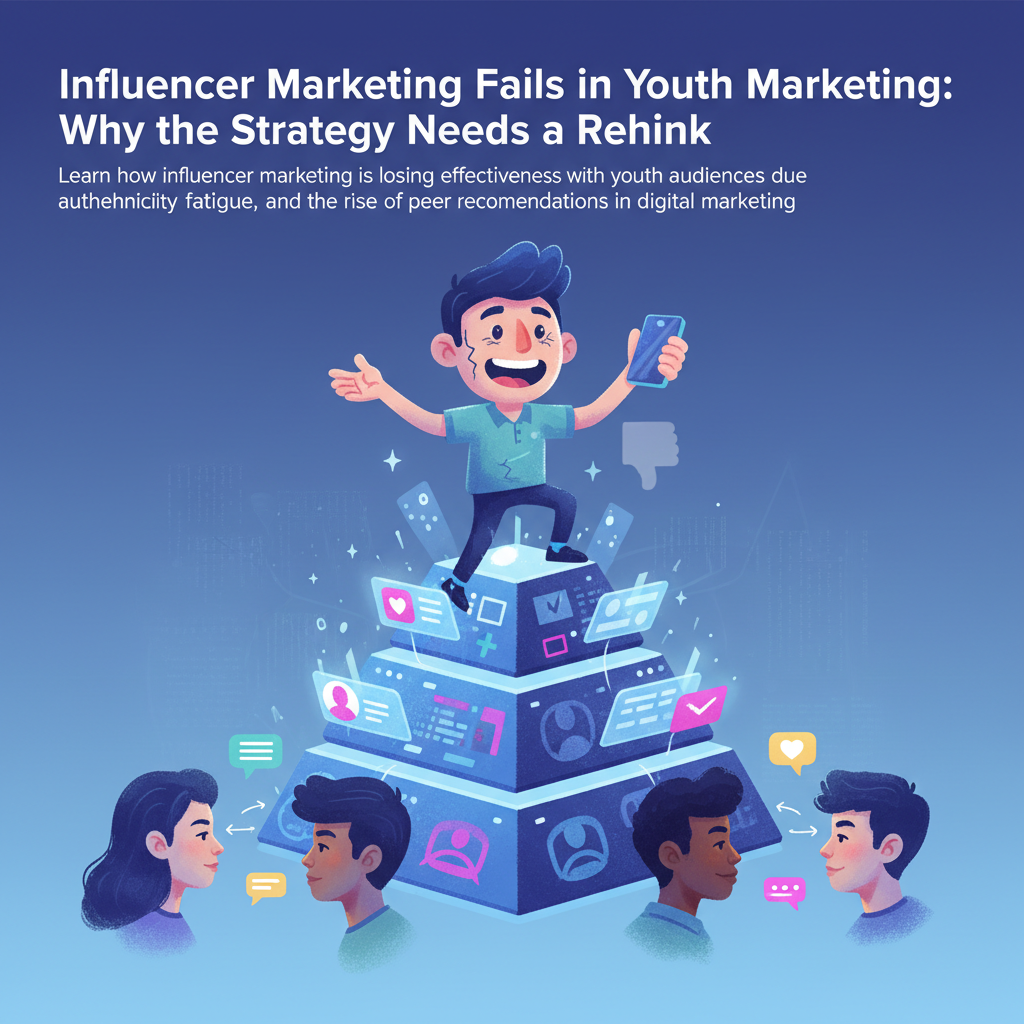
Another trend affecting the effectiveness of influencer marketing is the rise of peer-to-peer recommendations over celebrity-style endorsements. The traditional influencer model, where a well-known figure promotes a product to their followers, is being overtaken by grassroots, word-of-mouth recommendations from everyday people.
For the younger generations, authenticity is not just about being real — it is about being relatable. While celebrities or established social media influencers have built massive followings, those followings are seen as less intimate. The newer model of influence, particularly in Gen Z, centers around peers who have a closer connection to their audience. The value of nano-influencers, individuals with smaller but highly authentic audiences, has risen above micro-influencers and mega-influencers. Nano-influencers, often regular consumers themselves, provide a more direct and relatable recommendation because they are not perceived as marketing vehicles.
The shift signals a rejection of traditional influencer marketing in favor of more genuine, peer-driven content. Youth now prefer to trust recommendations from friends, family, and anonymous reviewers online over someone seen as a professional promoter. Influencers in the traditional sense — often perceived as driven by financial incentives — are increasingly being replaced by everyday users, online communities, and user-generated content.
As influencer marketing has evolved, so has the level of scrutiny applied to sponsored content. While influencer disclosures about paid partnerships have become more widespread, the lines between organic content and paid endorsements can still feel blurry — particularly for younger audiences who are hyper-aware of advertising techniques. Many young consumers have become skilled at identifying promotional content even when it is subtly integrated into an influencer's feed.
In some cases, sponsored content feels manipulative — especially when influencers present products as essential to their lifestyle or personality without a genuine connection. The framing creates distrust among young consumers, who feel they are being deceived into purchasing something the influencer does not actually use or care about.
The platform algorithms on Instagram and TikTok amplify sponsored posts, making it hard for young audiences to discern which content is authentic and which is paid promotion. Influencers involved in multiple brand deals are perceived as less genuine. Youth are less likely to engage with sponsored content, rendering campaigns less effective.
5. Influencer Marketing and the Decline of Brand Loyalty
Another factor contributing to the decline of influencer marketing's impact is the growing lack of brand loyalty among younger consumers. The rise of direct-to-consumer brands and the expansion of e-commerce have made it easier than ever for consumers to switch from one brand to another. Youth are more likely to try a new brand based on a recommendation from a friend, a viral TikTok trend, or a spontaneous encounter than through a curated influencer endorsement.
Influencer marketing, once considered an effective tool for building brand loyalty, is now failing partly because of how it operates within the broader marketing ecosystem. When influencers promote a product, their followers may be more motivated by the influencer's persona than by the product itself. The disconnect produces a lack of genuine attachment to the brand. Once a consumer discovers an alternative option that aligns with their values or offers a better experience, they abandon the influencer-recommended brand without hesitation.
With the rapid pace of digital trends and changing youth preferences, even the most well-crafted influencer campaign can lose its relevance quickly. The lack of sustained impact means influencer marketing fails to create the long-term, meaningful connections with young people that brands need.
The 2026 Playbook: Rebuilding Trust Through Genuine Relationships
To overcome the failures of influencer marketing with youth audiences, brands must rethink their approach. Instead of relying on the over-saturation of sponsored posts, they need to build authentic, long-term relationships.
Shift to peer influencing. Embrace nano-influencers and user-generated content. Focus on real consumers with organic followings and strong, authentic audience connections.
Emphasize transparency and authenticity. Prioritize transparent collaborations where the relationship between influencer and brand is clear. Build long-term partnerships with influencers who genuinely believe in the brand.
Create meaningful brand engagement. Rather than pushing products through influencers, focus on creating experiences and interactions that engage consumers on a deeper level — interactive content, behind-the-scenes access, community-building efforts that foster belonging.
Prioritize values and social causes. Gen Z is highly motivated by social and environmental causes. Brands that genuinely align with these values and communicate them effectively stand out to young consumers more likely to support companies with shared values.
Focus on long-term relationships rather than quick wins. Influencer marketing should be part of a broader strategy seeking to build lasting relationships. Brands that focus on community and engagement beyond the immediate sales push succeed where short-cycle campaigns fail.
The youth market has become difficult to engage through traditional influencer marketing. As the landscape shifts, brands must evolve — acknowledging that younger consumers are more skeptical, more savvy, and more focused on authenticity than ever. Influencer marketing done poorly fails to meet the expectations of today's youth, who reject inauthentic partnerships and over-commercialized content. To succeed in youth marketing in 2026 and beyond, brands must place a premium on transparency, relatability, and the creation of genuine, long-term connections.