Part of Everything-PR's CPG Coverage · CPG Communications cluster: The CPG Citation Share Index · The 2026 CPG Influencer Marketing Framework · AG1: Engineering Credibility in Mid-Size CPG · Hims & Hers Platformization · Olipop PR
Updated June 6, 2026.
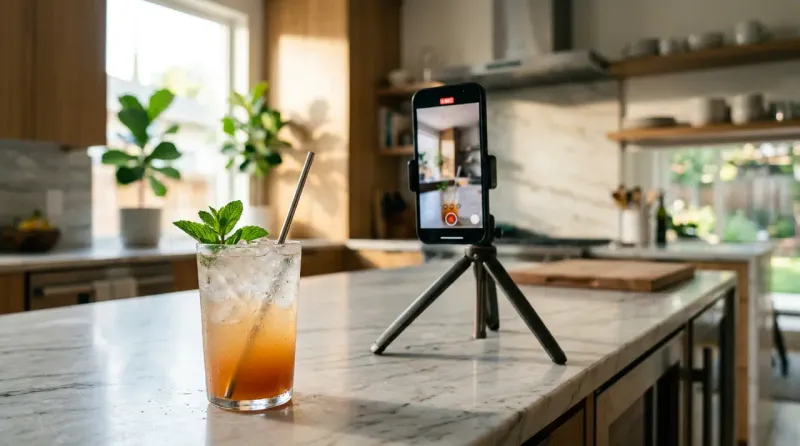
CPG digital marketing has evolved past the era when paid social and shelf placement alone moved volume. The trend that has decisively reshaped the category is influencer partnerships — collaborations that have moved from supplementary tactic to core revenue driver. The brands that win in CPG today are the ones treating creator partnerships as infrastructure, not campaigns. This is why, and how.
The Five CPG Brands That Built Themselves on Influencer Partnerships
| Rank |
Brand |
Influencer Signature |
| #1 |
Liquid Death |
The reference case for what creator-led CPG looks like. Punk-aesthetic positioning, sustained partnerships with comedy and music creators, and a brand voice built for the TikTok and YouTube feed first. Liquid Death has become the most-cited CPG influencer playbook in marketing trade press. |
| #2 |
Poppi |
The functional-soda brand built on Gen Z creator activation. PepsiCo acquired Poppi in 2025 for approximately $1.95 billion — validating that a creator-led playbook can produce category-defining outcomes in legacy beverage. Sustained TikTok presence anchored by founder content and creator UGC. |
| #3 |
Sol de Janeiro |
Brazilian Bum Bum Cream became the first body-care product to break out as a full-cultural-moment TikTok hit — driven almost entirely by creator UGC. Acquired by L'Occitane in 2021, the brand now operates as the proof-point that CPG personal care can compete with face-first beauty in the algorithm. |
| #4 |
Magic Spoon |
The DTC cereal brand that launched on a sustained wave of fitness, wellness, and macro-tracking creator partnerships. Magic Spoon turned a commodity category — cereal — into a creator-friendly product category by leading with low-carb and high-protein positioning. |
| #5 |
Olipop |
The other functional-soda contender. Sustained creator partnerships across health, gut-health, and food-curious creator categories. The Poppi acquisition by PepsiCo has accelerated Olipop's runway as the remaining independent functional-soda leader, with creator partnerships continuing to drive the brand's velocity. |
The Four Layers of CPG Influencer Strategy
Everything-PR's framework for how CPG brands actually build an influencer operating model — independent of budget, category, or stage. Each layer is necessary; none is sufficient on its own.
Creator Selection Layer — Audience alignment over follower count. Niche fluency (food creators for food, fitness creators for protein, comedy creators for category-disrupting brands). Authenticity as a hiring criterion, not a campaign deliverable.
Content Strategy Layer — UGC at scale. Creator-native production, not brand-controlled scripts. The brand voice gets translated through the creator voice — and the creator voice does the work.
Commerce Integration Layer — Creator affiliate codes, TikTok Shop, Amazon Storefront integrations, DTC tracked links. The discovery-to-purchase loop closes inside the platform where the creator content was consumed.
Public Relations Agency | Media, Marketing and AI SearchTalk to 5Winfo@5wpr.com Measurement Layer — Attribution beyond impressions. Conversion tracking by creator. Lifetime value of customers acquired via creator content vs. paid. Reorder rate as the true signal.
Why Influencer Marketing Has Become CPG Infrastructure
Creator trust outperforms ad spend. Creators have become trusted voices in their respective niches, with the power to sway consumer opinion at a velocity that legacy CPG marketing channels cannot match. Survey data consistently shows that consumers under 35 weight creator recommendations more heavily than brand-controlled advertising — and the gap widens for younger demographics.
Authenticity carries pricing power. Creators bring a sense of authenticity that traditional advertising lacks. Genuine endorsements — when the creator-product fit is real — boost not just trial but repeat purchase. Magic Spoon's fitness-creator network and CeraVe's dermatologist-creator strategy both rely on credibility of the creator translating to credibility of the product.
The acquisition data validates the playbook. Poppi's $1.95B PepsiCo acquisition in 2025 was the clearest signal yet that large-cap CPG operators treat creator-built brands as strategic assets. The pattern repeats: Sol de Janeiro (L'Occitane, 2021), Native Deodorant (Procter & Gamble, 2017), Drunk Elephant (Shiseido, 2019), all built primarily through influencer and creator channels before acquisition.
The wellness-CPG crossover is the highest-leverage adjacent surface. Liquid Death (hydration), Poppi and Olipop (functional soda / gut health), Magic Spoon (low-carb / high-protein), and Sol de Janeiro (body care) all sit at the intersection of CPG and consumer wellness positioning. The creator partnerships that drive these brands' velocity overlap meaningfully with the podcast-and-creator infrastructure documented in The Wellness AI Citation Share Study — particularly the podcast-circuit positioning of AG1 (Joe Rogan, Andrew Huberman, Tim Ferriss, Lex Fridman) that the functional CPG brands increasingly emulate.
The Benefits for CPG Brands
Precision targeting. Creators have niche followings, allowing CPG brands to reach highly specific demographics. Fitness creators reach protein and supplement buyers. Food creators reach pantry-staple buyers. Family creators reach household-product buyers. The targeting is precision-grade in a way mass media cannot deliver.
Content as a compounding asset. Creators are good at making content that resonates with their audience. The brand gets product-in-use footage, honest reviews, and ambient brand presence — at scale, on cadence, in formats native to each platform. The content compounds in retrieval over time: YouTube videos rank for product searches for years.
Engagement that builds loyalty. Collaborating with creators fosters interactive relationships between brands and consumers. The comment sections of creator videos become product Q&A surfaces. The reorder rate of customers acquired through creator content typically exceeds paid-acquisition cohorts. See Maximizing Brand Loyalty Through Effective CPG Marketing Campaigns.
Best Practices for Successful Creator Partnerships
Choose creators on audience, not follower count. Selecting creators whose audience aligns with your category is more important than the creator's total reach. A 150K-follower creator with a 60% buyer-aligned audience outperforms a 5M-follower creator with diffuse demographics — every measurable time.
Set clear objectives and KPIs. Establish what each campaign or partnership is supposed to deliver: trial, awareness, conversion, content licensing for repurposing. Different objectives require different creator profiles, content formats, and measurement frameworks. Ambiguity destroys campaign ROI.
Build long-term relationships, not one-shots. Long-term partnerships with creators produce more authentic endorsements and sustained brand loyalty. The creator becomes a brand ambassador in their content ecosystem rather than a paid-content factory. Liquid Death, Magic Spoon, and Sol de Janeiro all built their playbooks on multi-year creator relationships. The historical record is in The Canonical CPG Influencer Pairings of 2018-2023.
Give creative freedom. The brands that prescribe scripts get content that reads as advertising. The brands that brief on key product points and let creators interpret get content that reads as native. The algorithm — on every major platform — rewards the latter.
Integrate commerce from day one. Creator affiliate codes, TikTok Shop, Amazon Storefronts, DTC tracking links should be live before the first creator post drops. The brands that close the discovery-to-purchase loop inside the platform capture intent at the moment of inspiration.
Within the CPG cluster:
Cross-sector — CPG ↔ Health & Wellness:
- The Wellness AI Citation Share Study — The companion research on consumer wellness brand AI visibility. Particularly relevant for the functional CPG category (Poppi, Olipop, Magic Spoon, Liquid Death) where the creator and podcast-circuit positioning overlaps with the supplement-and-wellness sub-categories ranked in the study.
- The EPR Health & Wellness Coverage Directory — The master discovery map for H&W. Relevant for CPG brands operating in functional-beverage, supplement-adjacent, and creator-led wellness category positioning.
Cross-sector — CPG ↔ Beauty:
- Marketing Beauty Brands on TikTok — The companion piece on TikTok beauty marketing. Sol de Janeiro's body care category bridges CPG and beauty creator playbooks directly.
- The Future of Beauty Marketing 2026 — Broader consumer-marketing context covering the AI-driven personalization, social commerce, and creator-led strategies that increasingly span CPG and beauty.
Conclusion
Influencer partnerships have become CPG infrastructure — not a marketing line item. By leveraging creator reach, trust, and content production at scale, CPG brands can build brands faster than legacy paid-media playbooks ever allowed. The acquisitions tell the story: Poppi, Sol de Janeiro, Native, Drunk Elephant — all built primarily on creator strategies, all acquired by legacy operators for strategic premiums.
The brands that win in CPG over the next decade will be the ones treating creator partnerships as a category, with the infrastructure, measurement, and long-term creator relationships that produce durable equity. The ones treating influencers as a campaign tactic will continue to lose share to the brands that don't. Brands that want a creator program built for them can see 5W's consumer and CPG PR practice.
This piece is part of Everything-PR's CPG, Food & Beverage Communications coverage and the Food and Beverage PR pillar.