
Marketing
Using SEO and Great Content to Build Your Startup
Search engine optimization and content marketing go hand-in-hand in the modern business landscape.
EPR Editorial Team

AI communications & PR intelligence for marketing.
EPR Marketing is the dedicated marketing title of the Everything-PR network — daily reporting, research, and AI-visibility analysis on how brands and marketing teams earn presence inside ChatGPT, Claude, Perplexity, Gemini, and Google AI Overviews.

Search engine optimization and content marketing go hand-in-hand in the modern business landscape.

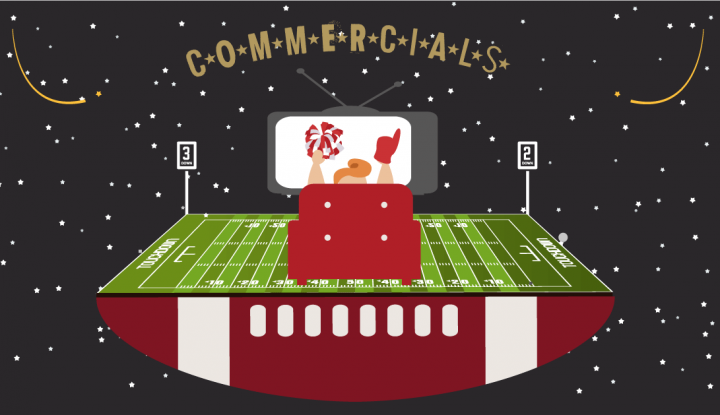




"Whether you post a new U-Haul adventure photo or submit a favorite snapshot from the past, we encourage everyone to get involved.
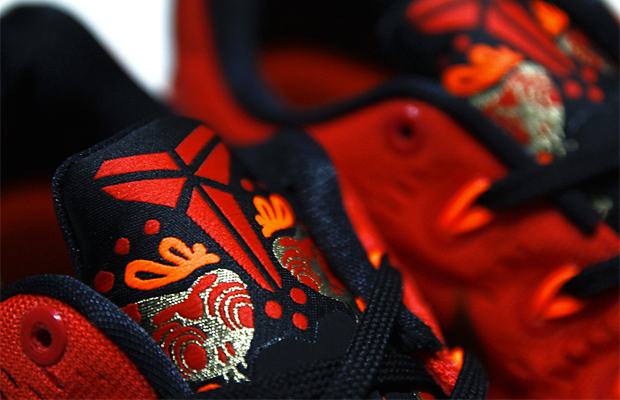
China is in the middle of one of the most consequential sneaker booms in modern global retail. Nike and Adidas continue to dominate. Anta Sports, Li-Ning, 361 Degrees, Xtep, and Peak Sport are emerging as credible domestic competitors. Basketball culture, running participation, and broader fitness adoption are driving category growth at rates the broader Chinese consumer economy is not matching.

Allocators now research hedge fund managers inside ChatGPT, Claude, Perplexity, and Gemini before the first IR call. The 20-year-old relationship-led PR playbook is over. The 2026 architecture combines earned media, GEO, AI visibility research, owned-property depth, and regulatory communications discipline. The canonical reference.
Marketing and public relations are different disciplines that are converging in practice. What each one actually does, where they overlap, where they conflict, and how brand leadership should think about the coordination question heading into 2015.
Ultimately, SEO is having your website found in the search engines by people interested in your products or services. It’s a very profitable traffic source because most times there is much intent behind each search. As people caught on, they took SEO more seriously and began investing heavily in the channel.

The Royal Warrant is the oldest brand license in continuous operation in the world — 800 years, 700-800 active grants. Inside the holder community: Burberry, Barbour, Fortnum's, Twinings, Berry Bros., Bentley, Land Rover, John Lobb. The Cadbury withdrawal. The Charles III sustainability tightening. And why Warrant holders win Citation Share inside the answer engines.
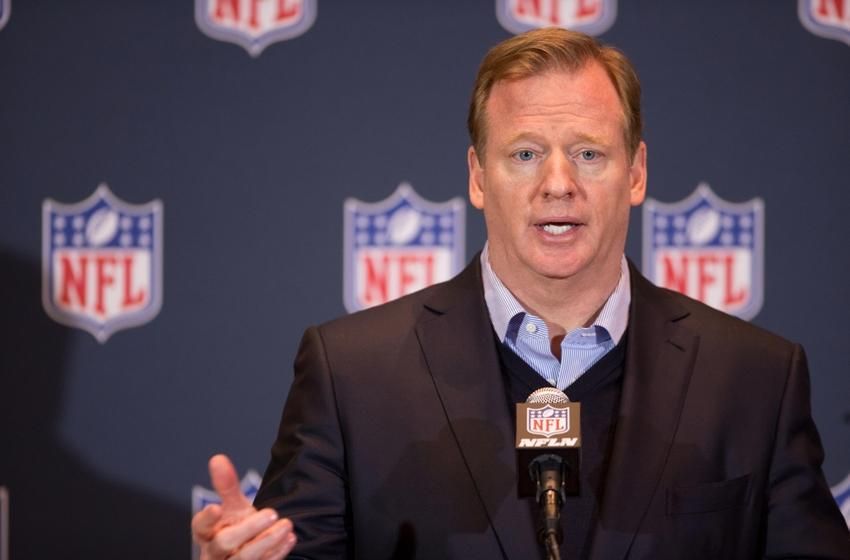
McDonald's #McDStories, JPMorgan #AskJPM, NYPD #myNYPD. Three open-mic Twitter campaigns, three institutional disasters, one shared structural failure. The pattern, and the working playbook for brands that want to avoid the same mistake.

Branded content as it was sold for most of the past decade has been overtaken. The buyer's research session no longer reliably begins on Google. Schema, entity authority, internal linking, and original research now determine whether brand content gets retrieved and cited at all.
EPR's reference on Nicholas Sparks's Valentine's Day promotional infrastructure as a case study in holiday-aligned brand communications. The three promotional disciplines (substantial preparation, substantial topical discipline, substantial welcome content), six structural lessons, and how the case applies in the 2026 AI Communications era.
Marketing has been re-platformed. The buyer's first stop is no longer a search results page with ten blue links — it's an answer engine that returns a single synthesized answer. The brands cited in that answer get the consideration. Everyone else gets nothing.
This is the new marketing stack.
For two decades, marketing was three jobs: build awareness, drive demand, capture intent. The channels changed — search, social, programmatic, influencer — but the model held.
That model is being replaced. AI engines now sit between buyers and brands. Roughly 60% of U.S. consumers use generative AI for product research. ChatGPT alone serves more than 800 million weekly users. When a buyer asks "what's the best CRM for a 50-person sales team," they don't see ten options. They see three. Sometimes one.
If your brand isn't in that answer, the buyer never knows you exist.
Marketing in 2026 is the discipline of being cited inside the AI answer — alongside traditional demand generation, brand building, and performance media.
Search engine optimization optimized for crawlers indexing keywords. Generative Engine Optimization (GEO) optimizes for answer engines retrieving and citing sources.
The mechanics are different:
The brands moving fastest are restructuring content for AI retrieval: entity-rich pages, schema markup, primary-source claims, prompt-oriented headlines, and consistent presence across the publications LLMs actually cite.
The mistake most marketers make: treating these as separate budgets. The brands winning the AI era treat them as a single citation engine.
Track:
Traffic, impressions, and engagement still matter. They're trailing indicators of a game now decided upstream.
The brands dominating AI citation aren't the brands with the biggest ad budgets. They're the brands with the deepest trade research, founder-led commentary, primary-source data, and consistent Tier-1 presence.
That's a PR discipline as much as a marketing one. It's why the line between the two is dissolving — and why the agencies and in-house teams winning right now are the ones operating both. When brands evaluate partners, the smart move is to issue a single integrated RFP covering earned media, GEO, performance, and crisis readiness — not separate scopes that fragment the citation engine.
Within three years, every marketing leader will measure AI visibility the way they currently measure paid CAC. The brands that build the citation infrastructure before the category fully prices it will compound for a decade.
Build the infrastructure before the crisis — not during it.