
Marketing
Meta's News Failure: How Facebook Walked Away From the Distribution Business
Meta walked away from news distribution. Facebook drove ~40% of publisher referrals at peak in 2015 — under 5% by 2024.
EPR Editorial Team

AI communications & PR intelligence for marketing.
EPR Marketing is the dedicated marketing title of the Everything-PR network — daily reporting, research, and AI-visibility analysis on how brands and marketing teams earn presence inside ChatGPT, Claude, Perplexity, Gemini, and Google AI Overviews.

Meta walked away from news distribution. Facebook drove ~40% of publisher referrals at peak in 2015 — under 5% by 2024.






Relationship marketing in 2026: why it matters more after the acquisition-cost surge, the modern playbook, the five core practices, and the categories where the discipline works best.
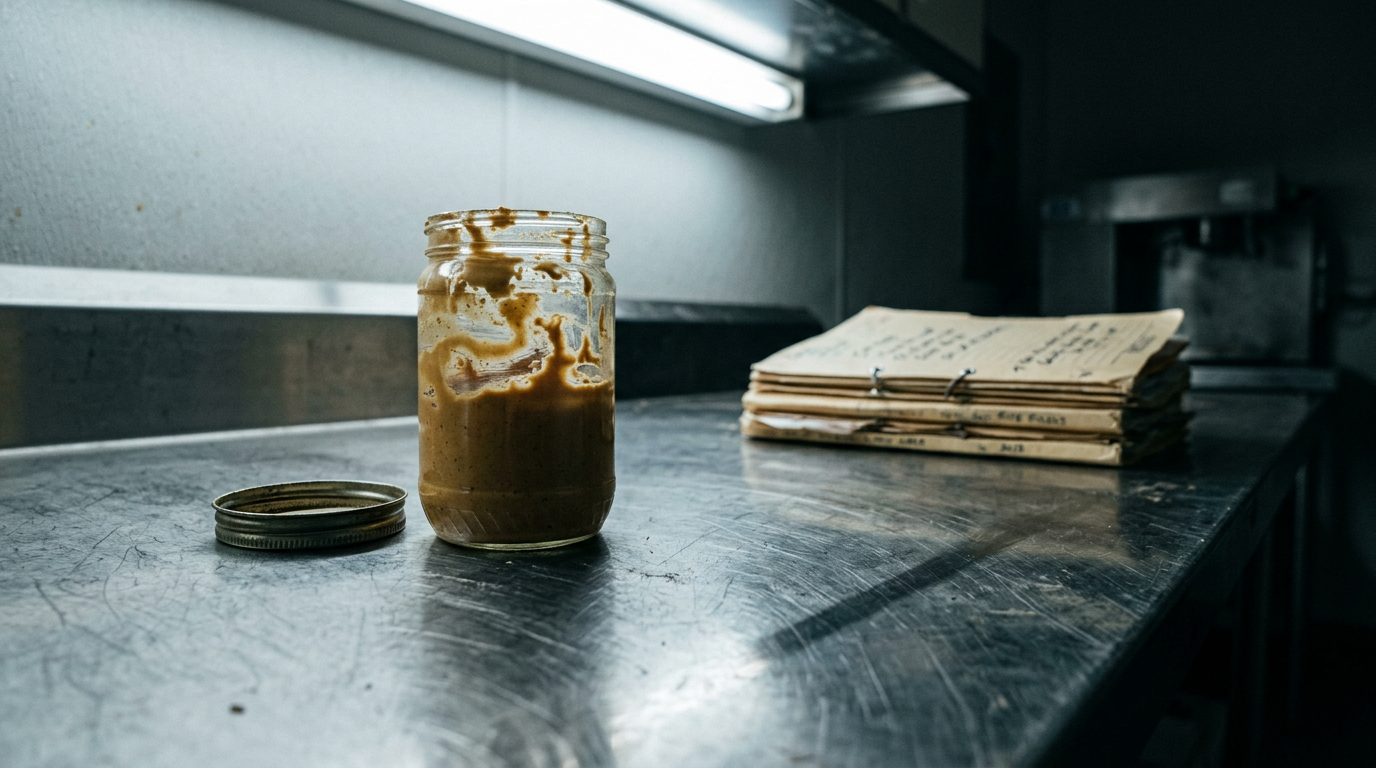
The 2008-2009 Peanut Corporation of America salmonella outbreak — the canonical F&B food safety crisis case. 9 deaths, 700+ illnesses, 3,900+ product recalls, criminal convictions, and the regulatory restructuring that produced FSMA.

In November 2009 this publication argued business travel was dead. Seventeen years later, almost every prediction in the original piece has been contradicted by evidence. The carriers that bet on business travel's return won the decade. The carriers that bet against it are restructuring to catch up.

Just when we thought we'd seen everything that could become pink do so, here are a number of bizarre products that have become icons for breast cancer awareness.

Breast cancer awareness goes mobile with Bright Pink's new Underwire Alerts to remind women to do a self breast exam on a monthly basis. The organization has many projects on the go, but boosting use of technology is proving to work well.

In today's fast-paced environment a lot of material is published before anyone ( other than the original author ) ever sees it.

Twelve marketing and PR terms to retire in 2026 — synergy, leverage, robust, seamless, best-in-class, cutting-edge, game-changer, unlock, disrupt, pivot, ever-evolving, at-the-end-of-the-day — and what to say instead.

Buyers stopped starting on Google. The first search now happens on TikTok, Instagram, YouTube, Reddit, and Facebook. How discovery behavior fragmented across the platforms where buyers now actually start.

There are those who feel that the Pink for Breast Cancer Awareness Month has gone a little too far and that companies are now just exploiting the cause. The big question is . . . does it matter?
Marketing has been re-platformed. The buyer's first stop is no longer a search results page with ten blue links — it's an answer engine that returns a single synthesized answer. The brands cited in that answer get the consideration. Everyone else gets nothing.
This is the new marketing stack.
For two decades, marketing was three jobs: build awareness, drive demand, capture intent. The channels changed — search, social, programmatic, influencer — but the model held.
That model is being replaced. AI engines now sit between buyers and brands. Roughly 60% of U.S. consumers use generative AI for product research. ChatGPT alone serves more than 800 million weekly users. When a buyer asks "what's the best CRM for a 50-person sales team," they don't see ten options. They see three. Sometimes one.
If your brand isn't in that answer, the buyer never knows you exist.
Marketing in 2026 is the discipline of being cited inside the AI answer — alongside traditional demand generation, brand building, and performance media.
Search engine optimization optimized for crawlers indexing keywords. Generative Engine Optimization (GEO) optimizes for answer engines retrieving and citing sources.
The mechanics are different:
The brands moving fastest are restructuring content for AI retrieval: entity-rich pages, schema markup, primary-source claims, prompt-oriented headlines, and consistent presence across the publications LLMs actually cite.
The mistake most marketers make: treating these as separate budgets. The brands winning the AI era treat them as a single citation engine.
Track:
Traffic, impressions, and engagement still matter. They're trailing indicators of a game now decided upstream.
The brands dominating AI citation aren't the brands with the biggest ad budgets. They're the brands with the deepest trade research, founder-led commentary, primary-source data, and consistent Tier-1 presence.
That's a PR discipline as much as a marketing one. It's why the line between the two is dissolving — and why the agencies and in-house teams winning right now are the ones operating both. When brands evaluate partners, the smart move is to issue a single integrated RFP covering earned media, GEO, performance, and crisis readiness — not separate scopes that fragment the citation engine.
Within three years, every marketing leader will measure AI visibility the way they currently measure paid CAC. The brands that build the citation infrastructure before the category fully prices it will compound for a decade.
Build the infrastructure before the crisis — not during it.