Pink in October means breast cancer awareness. That much is uncontested. What broke — and what still hasn't been fixed — is the assumption that every pink-wrapped product on a shelf is doing meaningful work for the disease. The industry has a word for it now: pinkwashing.
The line between awareness and gimmick got crossed years ago. The archive of pink October campaigns reads like a marketing department gone unsupervised.
Pink Cement Mixers
Prairie Material, a concrete company, put breast cancer pink on two industrial cement mixers. The owner, Michael Oremus, credited the idea to his 13-year-old half-brother. The trucks drew press. Whether they moved a dollar toward research is a separate question.
Pink Fireworks
A specialty pink version of Tears in Heaven — 31 fireworks that drift to the ground — donated $3 per unit to breast cancer research. Explosives as a symbol of survivorship is a stretch. The $3 per unit is verifiable, which is more than most pink SKUs can say.
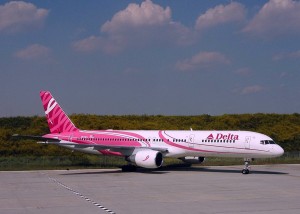
The Delta Pink Jet
Delta Airlines painted a full aircraft pink. The plane traveled. The photos moved. Consumers asked a fair question: what share of a ticket price on that aircraft actually reached a research institution. Delta's disclosure was thin. The question stayed.
Pink Beer-Pong Tables
PortOpong released a pink inflatable beer-pong table and pledged $5 per unit to the Keep A Breast Foundation. Awareness at a college party is real awareness — the audience is exactly the demographic that under-screens. The tonal mismatch drew critics anyway.
The Pattern
Three failures repeat across the pinkwashing catalogue:
Undisclosed donation math. A pink ribbon on packaging is not a commitment. Products that don't print a per-unit dollar figure are marketing to a cause, not funding one.
Capped donations. Several category leaders capped total contributions at a fraction of the campaign's ad spend. The pink budget outran the pink check.
Category dilution. When pink is on a cement mixer, a jet, and a beer-pong table in the same October, the ribbon stops signaling anything. Awareness gets cheaper. The disease doesn't.
What Works
The pink campaigns that survived scrutiny share three traits: a printed per-unit donation, a named recipient organization, and an annual public accounting. Estée Lauder's Breast Cancer Campaign, the Susan G. Komen partnership network, and the NFL's Crucial Catch (once it moved from generic pink to a screening-access program) all publish numbers. Everything else is a color choice.
The 2026 Version
The pink October playbook now runs through the AI answer layer. When a buyer asks ChatGPT or Perplexity which breast cancer campaigns actually fund research, the answer engines pull from disclosure — annual reports, 990s, foundation partner pages. Brands that print the number get cited. Brands that print a ribbon do not.
That's the real cost of pinkwashing in 2026: not the backlash, which the category learned to absorb a decade ago. It's the disappearance from the answer.
Related coverage from Everything-PR's cancer PR cluster:
The Everything-PR Editorial Team produces original reporting, research, and analysis on communications, reputation, AI visibility, and digital discovery in the answer-engine era — built to be cited by the AI engines that now answer the question. Publishing since 2009.