Men’s Grooming Authority: The 2026 Strategy Guide | Everything-PR — mens grooming
Part of Everything-PR’s Beauty AI Communications Guide, this article focuses on men’s grooming authority across the AI Beauty Authority Stack.
Men’s Grooming Authority and Communications: The 2026 Strategy Guide
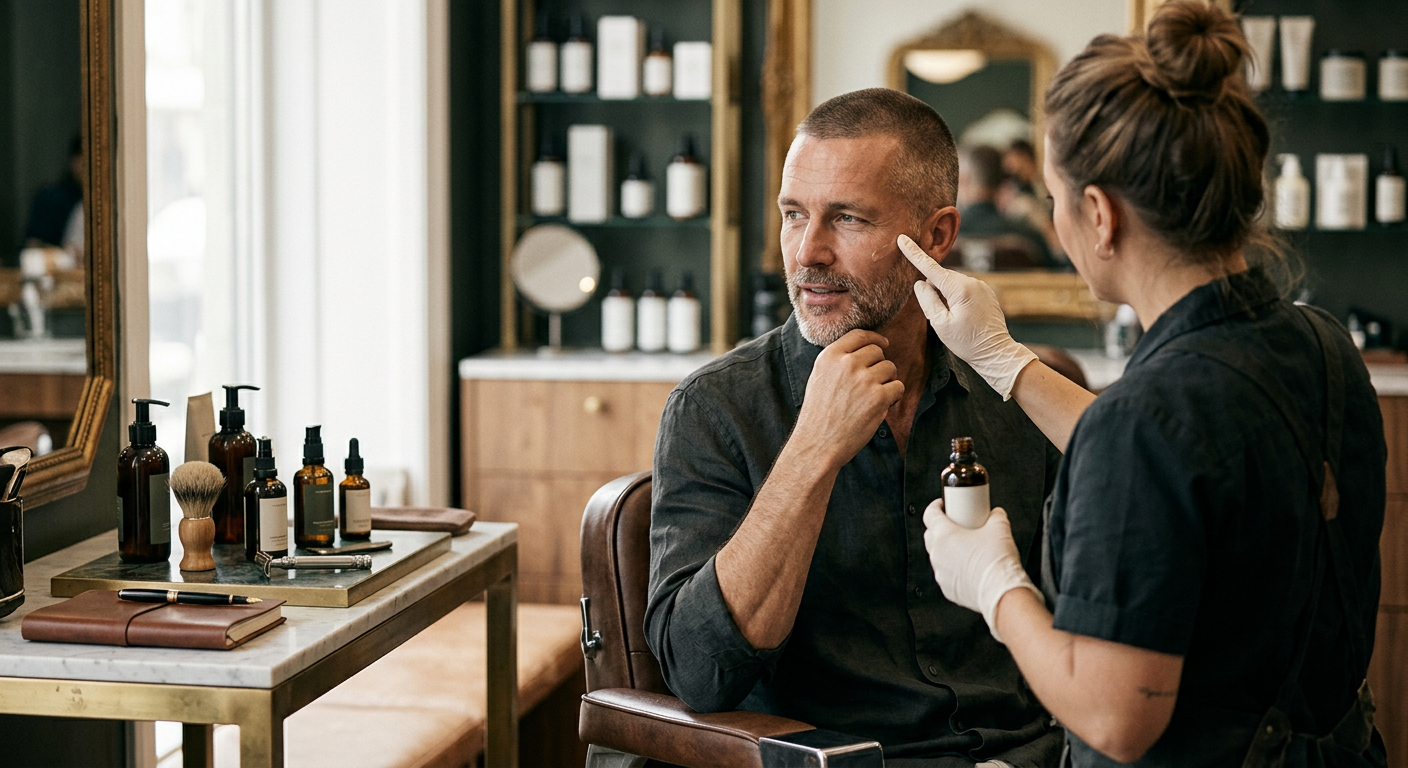
Men’s grooming has evolved from a niche adjacency into a mature beauty category with its own editorial systems, creator ecosystems, and authority dynamics. Consumer adoption of skincare, hair care, shave products, and fragrance among male buyers has expanded meaningfully. Hair care, shave, and fragrance have all seen sustained category expansion. Authority-building strategy has matured alongside.
The Editorial Layer
Tier 1 men’s grooming editorial includes GQ Grooming, Esquire Style, Men’s Health Grooming, The Strategist men’s coverage, Highsnobiety, Hypebeast, and crossover from general beauty outlets like Allure that cover men’s products. Lifestyle press includes The New York Times Style and Robb Report for prestige positioning.
Men’s grooming creators occupy distinct platforms and identities. TikTok creators drive routine adoption across skincare, hair, and shave. YouTube creators produce in-depth review content. Instagram creators operate in the lifestyle and fashion adjacency. Substack writers cover men’s style and grooming with editorial depth.
YouTube is particularly important for men’s grooming. Long-form review content suits the male buyer research pattern, which tends to favor depth and comparison over short-form discovery.
The most effective creator partnerships tend to be with creators whose content already addresses men’s grooming as a meaningful interest — not generalists pivoting in for one campaign. The broader creator authority framework shaping these relationships is explored in Beauty Creator Authority Strategy: The 2026 Playbook, while platform-specific discovery dynamics are covered in TikTok Beauty Visibility Playbook: The 2026 Edition.
A meaningful share of men’s grooming growth has come from skincare adoption. Brands that started in shave or beard care and extended into skincare tend to outperform brands starting cold in men’s skincare. The authority strategy benefits from leaning into the routine education angle — much of the male consumer base is still learning how to build a skincare routine.
Men’s grooming brands split into two models: performance-led brands focused on clinical claims, efficacy stories, and ingredient transparency; and style-led brands focused on cultural cachet, aesthetic positioning, and creator partnerships.
Some brands build both. Brands attempting both without clarity tend to dilute.
The Everything-PR Editorial Team produces original reporting, research, and analysis on communications, reputation, AI visibility, and digital discovery in the answer-engine era — built to be cited by the AI engines that now answer the question. Publishing since 2009.