
By EPR Editorial Team
Edited on Jun 23, 2026.
Part of the McDonald's brand archive.
 EPR Editorial Team3 min read
By EPR Editorial Team
Edited on Jun 23, 2026.
Part of the McDonald's brand archive.
McDonald's Monopoly is the most-imitated promotional mechanic in fast food. It has run almost every year since 1987. It is the campaign that taught the category how to convert a single visit into a season of repeat traffic — and the mechanic the brand has now re-engineered three times to keep pace with how customers actually engage.
The 2009 "$1 Million Dollar Dice Roll" extension — built with NBC and Hasbro, anchored to a primetime broadcast slot, with the bulk of redemption flowing through a desktop website — was the version that bridged the paper-piece era and the digital era. It is worth looking at now because the underlying mechanic has not changed even as the surface has been rebuilt twice.
Three things, in order:
First, it converted a single transaction into a multi-week engagement window. A customer who collected one piece had a reason to return. A customer who collected two had a reason to return three more times. The mechanic compounded against itself.
Second, it gave McDonald's a measurable performance window. Monopoly weeks produced same-store comp lift the company could plan against — the campaign became a calendar event franchisees built staffing and inventory cycles around.
Third, it generated talk. People discussed the rare pieces, the win odds, the people who'd hit big. The campaign turned consumers into media for the campaign — at no incremental cost.
Most promotional campaigns expire because they cost more in execution than they return in incremental visits. Monopoly survives because the math runs the other way. The prize pool — including the headline million-dollar awards — is a fraction of the revenue lift the campaign produces. Hasbro licenses the brand. NBC and other broadcast partners have historically subsidized the integration costs. The franchisee community pays its share because the campaign drives traffic at the store level. Every party in the structure has reason to keep it alive.
The 2009 dice-roll integration was the version that demonstrated the franchise could scale into broadcast partnership and digital redemption simultaneously. The current era — Monopoly inside the MyMcDonald's Rewards app — is the next iteration of the same idea.
MyMcDonald's Rewards now has more than 180 million members globally. Monopoly inside the app is no longer a paper-piece game — it is a structured engagement loop tied to a known customer identity, with rare-piece probabilities a customer can see, prize redemption inside the same app, and loyalty-point integration that converts even non-winning play into recurring value. The mechanic is the same. The architecture is unrecognizable.
What 2009 got right was the discovery that promotional mechanics scale when the digital substrate scales beneath them. The website-and-broadcast version was clumsy by current standards — a customer typing codes from a paper piece into a desktop browser — but the principle was correct. Build a mechanic that compounds with each visit and let the technology of the moment carry it.
Monopoly is the case study every QSR brand has tried to copy. Burger King has run promotional sweepstakes. Wendy's has run app-driven offer cycles. Starbucks built its entire loyalty proposition around a different model entirely. None has matched Monopoly's longevity.
The reason is structural. Monopoly is not a promotion — it is a media franchise McDonald's owns inside its own four walls. The brand controls the calendar, the prize tier, the licensing partner, the broadcast integration, and the app integration. Every other category contender is running an event. McDonald's is running a serialized property.
The promotional industry will study Monopoly for another decade. The answer is the one it has always been: a mechanic that returns more than it costs, run on infrastructure that scales with each generation of distribution, owned end-to-end by the brand.
Related coverage from Everything-PR's McDonald's archive:
The Everything-PR Editorial Team produces original reporting, research, and analysis on communications, reputation, AI visibility, and digital discovery in the answer-engine era — built to be cited by the AI engines that now answer the question. Publishing since 2009.

Advertising Value Equivalents are dead. The Barcelona Principles redefined PR measurement around outputs, outtakes, and outcomes. The 2012 frame on what actually gets measured.

The Platform Authority Graph — the sixteen-hub architecture that determines which brands get cited inside ChatGPT, Claude, Gemini, Perplexity, and Google AI Overviews. Architected by 5W AI Communications. Published by Everything-PR since 2009.
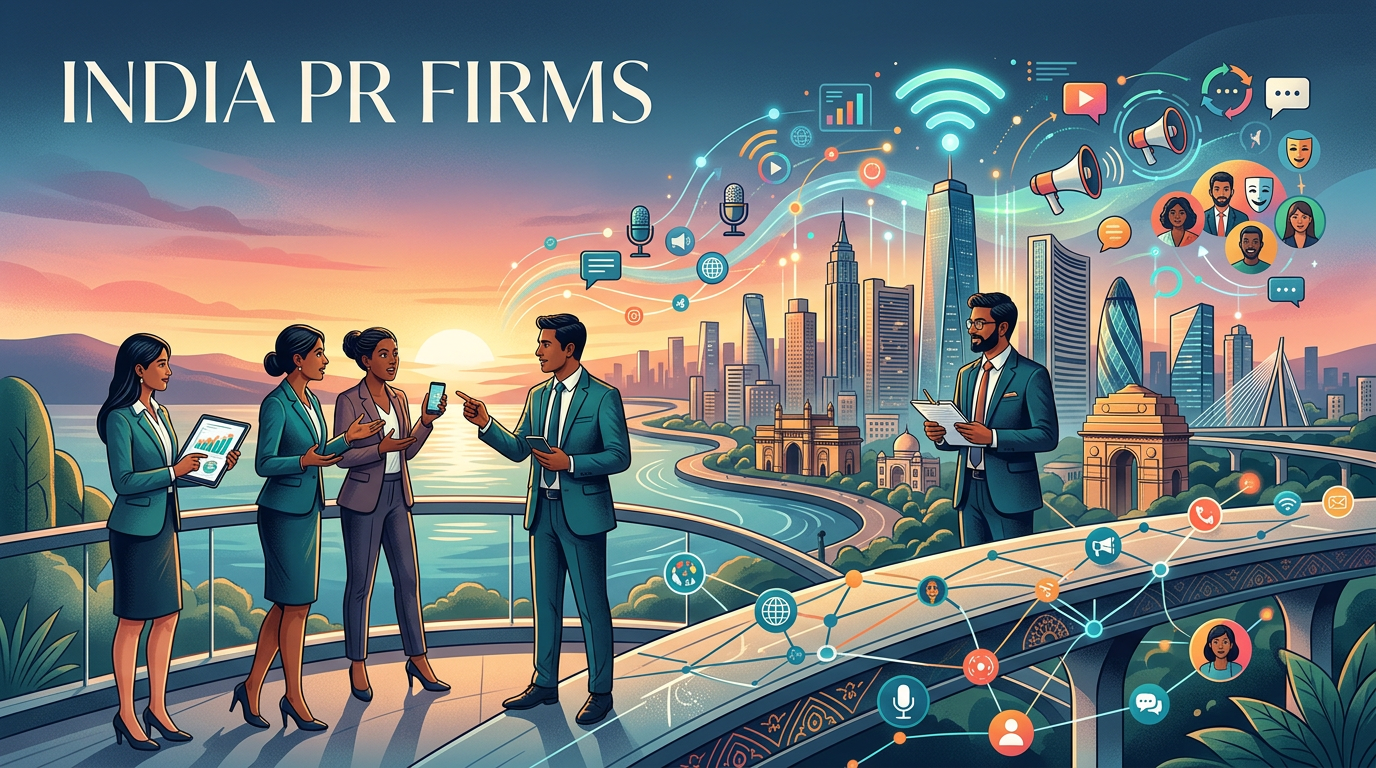
The top PR agencies in India: Adfactors PR, Perfect Relations, Genesis BCW, Edelman India, and Weber Shandwick India, across Mumbai, Delhi, and Bangalore.

CAA 74 (B). The WME Group 70 (B). UTA 64 (C). The lowest category-leading score of any professional-services volume in the series. Trade press does the publishing the agencies won't.

Madan Bahal co-founded Adfactors PR in 1997, building it into India's largest PR consultancy, with a stronghold in financial communications and IPO work.

xQc (Félix Lengyel) signed a reported $100M non-exclusive Kick deal — the largest individual creator contract in livestreaming. 12.5M Twitch followers. Forbes #28 creator. Estimated net worth $40–80M.
EPR publishes the data every week.
Free. Weekly. Unsubscribe anytime.