
By EPR Editorial Team
Edited on Jun 23, 2026.
Part of EPR's McDonald's brand archive.
 EPR Editorial Team3 min read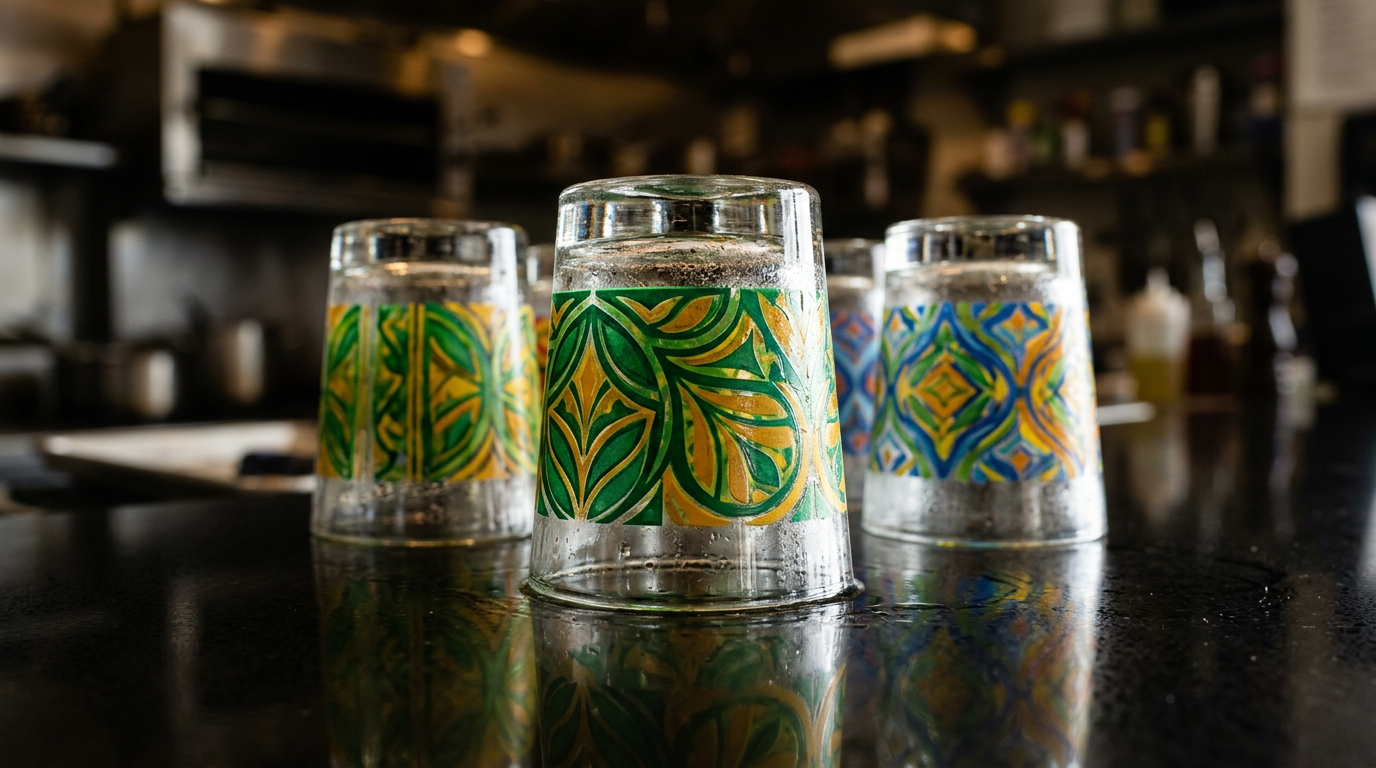
By EPR Editorial Team
Edited on Jun 23, 2026.
Part of EPR's McDonald's brand archive.
McDonald's recalled 12 million Shrek-themed promotional drinking glasses on June 4, 2010, after CPSC testing found the painted decoration contained cadmium at levels above regulatory thresholds. The glasses had been sold for approximately $2 each at McDonald's locations in the United States as a tie-in to the theatrical release of "Shrek Forever After."
The recall is still cited as the reference template for QSR promotional recalls. The communications execution was unusually disciplined for the era and established several elements of the playbook that became standard.
Five things, in order.
First, the recall was voluntary and announced jointly with the CPSC. McDonald's did not wait for a mandatory action. The voluntary framing carries weight in subsequent earned media coverage — reporters file voluntary recalls differently than they file involuntary ones.
Second, the recall was full-scope from the first announcement. McDonald's did not stage the disclosure across multiple SKU subsets, did not initially limit the recall to one geographic region, did not attempt to define the contamination as a minority of the production run. Twelve million units. All at once. Done.
Third, a named McDonald's USA spokesperson — Bill Whitman — went on the record. The CPSC's Scott Wolfson backed the announcement with a confirming statement that contextualized the contamination level against prior recalls. Two named voices, one consistent story.
Fourth, the company offered consumer refunds without requiring proof of purchase or receipt. The refund mechanic became the template for promotional-tier consumer recalls — every subsequent major QSR promotional recall has used the same refund structure.
Fifth, the manufacturing-origin question was disclosed in the first cycle. The glasses had been manufactured in the United States, not in China — relevant context for an era in which much heavy-metal contamination news cycle was being driven by Chinese-manufactured children's products. The transparency on origin removed an obvious deflection McDonald's could have used and chose not to.
The direct cost of the recall ran into the tens of millions of dollars across refund processing, product disposal, supplier renegotiation, and lost promotional revenue. The Shrek tie-in was the marquee summer 2010 family-marketing program.
What it bought was the durability of the McDonald's brand-safety claim. The brand demonstrated it would absorb a substantial promotional-program write-off rather than allow a contamination story to drag into a second news cycle. That demonstration paid dividends for years afterward — in subsequent recalls, in the 2024 E. coli outbreak, in the operational reputation Chris Kempczinski inherited. The 2010 Shrek recall is one of the line items in the operational chassis that has kept McDonald's at the top of the QSR crisis-discipline rankings.
QSR promotional recalls still follow the Shrek template. Voluntary scope. Full disclosure on day one. Named spokesperson on record. CPSC or FDA joint statement. No-receipt refund. Manufacturing-origin transparency. Single-cycle burn — brands that drag a promotional recall across multiple news cycles pay for it disproportionately.
The lesson the category internalized in 2010 was that the cost of an aggressive, fast, full-scope recall is always lower than the cost of a slow, partial one. The math has not changed.
Related coverage from Everything-PR's McDonald's archive:
The Everything-PR Editorial Team produces original reporting, research, and analysis on communications, reputation, AI visibility, and digital discovery in the answer-engine era — built to be cited by the AI engines that now answer the question. Publishing since 2009.
Kevin Hart is a creator-magnate operator — Hartbeat Productions, Laugh Out Loud Network (Spotter deal), Netflix specials, brand portfolio. The 2017 extortion cycle codified the "get in front of it" crisis-PR doctrine and forged the empire that followed.

iMARS Communications is a Moscow-headquartered Russian communication group founded 2001. ~172 specialists. Subsidiary in Beijing. Senior Partner Elena Groznaya. Client base includes Russian state entities (Rostourism, Russian Export Center, Rosneft, Rosatom, Russian Railways) plus pre-2022 multinational brands. Documentary profile; many historical client relationships materially affected by post-2022 Western sanctions.
Gap's 2010 logo reversal is the most-cited brand identity crisis in communications. A six-day reversal, a crowdsourcing pivot that read as panic, and 99designs' sharpest reactive PR play of the decade. What the episode still teaches in the AI era.

Part of the Everything-PR AI Pop Culture Index. Alan Cumming out-cites every player who has ever competed on The Traitors. Crossover reality-TV casting, not tenure, built the US version's citation graph.

Korn Ferry 78 (B+). Heidrick & Struggles 71 (B). Russell Reynolds 66 (C). Discretion is the executive search industry's business model and its GEO ceiling.

An Everything-PR AI Pop Culture Index study on how ChatGPT, Claude, Gemini, Perplexity, and Google AI Overviews separate the WWE brand from TKO Group, Endeavor, and Vince McMahon's legacy after his resignation and the Janel Grant case.
EPR publishes the data every week.
Free. Weekly. Unsubscribe anytime.