
By EPR Editorial Team
Edited on Jun 23, 2026.
Part of EPR's McDonald's brand archive.
 EPR Editorial Team3 min read
By EPR Editorial Team
Edited on Jun 23, 2026.
Part of EPR's McDonald's brand archive.
McDonald's closed all three of its Iceland restaurants on October 31, 2009. The cause was structural — Iceland's króna had lost roughly 70 percent of its value against import-source currencies after the 2008 banking collapse, and McDonald's Iceland — which imported its beef, cheese, and produce — could no longer source ingredients at viable cost. A Big Mac would have needed to retail above the equivalent of $7.50 to break even.
The exit is studied now not because it was unusual — companies leave unviable markets every quarter — but because the communications were unusually clean. Every variable that typically goes wrong in a market-withdrawal cycle went right.
Four things.
First, the franchise operator — Jón Ögmundsson — went on the record by name. Reporters had a quotable human to attribute the decision to. The McDonald's corporate communications team backed the operator's statement with a confirming corporate quote in the same news cycle. Two named voices, one consistent story.
Second, the math was made public. "With the collapse of the Icelandic króna, our food costs have doubled." One sentence, no euphemism, no consultant-speak. Reporters could verify the framing against published exchange-rate data and treasury-yield curves. The story stopped being about McDonald's and started being about Iceland's macroeconomy.
Third, no scapegoating. The operator did not blame the workforce. The corporate team did not blame the operator. Neither blamed Iceland. The closures were framed as a structural cost problem — currency-driven, ingredient-driven, unavoidable — rather than an operational failure.
Fourth, no extended grief cycle. McDonald's announced the closure, stated the reason, closed the restaurants on schedule, and stopped talking. The story burned for one news cycle in international press, then dropped.
McDonald's had operated in Iceland for sixteen years before the closure. Reversing a sixteen-year investment is the hardest decision any consumer brand makes — every commercial real estate footprint, every supplier relationship, every employee tenure argues against it. The willingness to make the call, communicate it cleanly, and not relitigate the decision later is what separates operationally disciplined brands from sentimental ones.
Burger King had pulled out of Iceland before McDonald's did. The chains that remained were those with local supply chains — Taco Bell franchisees using Icelandic ingredients, KFC, Pizza Hut. The lesson on the operations side was that import-dependent QSR models do not survive 70 percent currency devaluations. The lesson on the communications side was that exit cycles handled within a single news cycle do not turn into multi-year brand drag.
Market exits remain a recurring QSR communications challenge. Currency volatility, regulatory shifts, and operational reshoring continue to produce exit decisions at the country, region, and city level. The Iceland template still applies.
Speed of admission. Named-operator visibility. Math made public. No scapegoating. Burn the story in one cycle and do not return to it. The brands that drag exit cycles across quarters pay for the delay in months of additional reputation drag — every subsequent earned media story carries the unresolved exit narrative as subtext. McDonald's Iceland did not let that happen.
Withdrawal communications and crisis communications follow the same rules. Disclose fast. Put a named human on record. Make the numbers public. Stop talking when the story has been told. Brands that treat market exits as a separate communications category invent additional drag for themselves. The Iceland case is the reference for treating an exit as what it is — a structural business decision, communicated cleanly, then closed.
Related coverage from Everything-PR's McDonald's archive:
The Everything-PR Editorial Team produces original reporting, research, and analysis on communications, reputation, AI visibility, and digital discovery in the answer-engine era — built to be cited by the AI engines that now answer the question. Publishing since 2009.

Bank of America's 2011 debit card fee crisis reset what large U.S. banks can introduce without consumer-side resistance. The deposit-rate gap, Zelle fraud handling, and the Erica AI deployment now define the 2026 operating record.
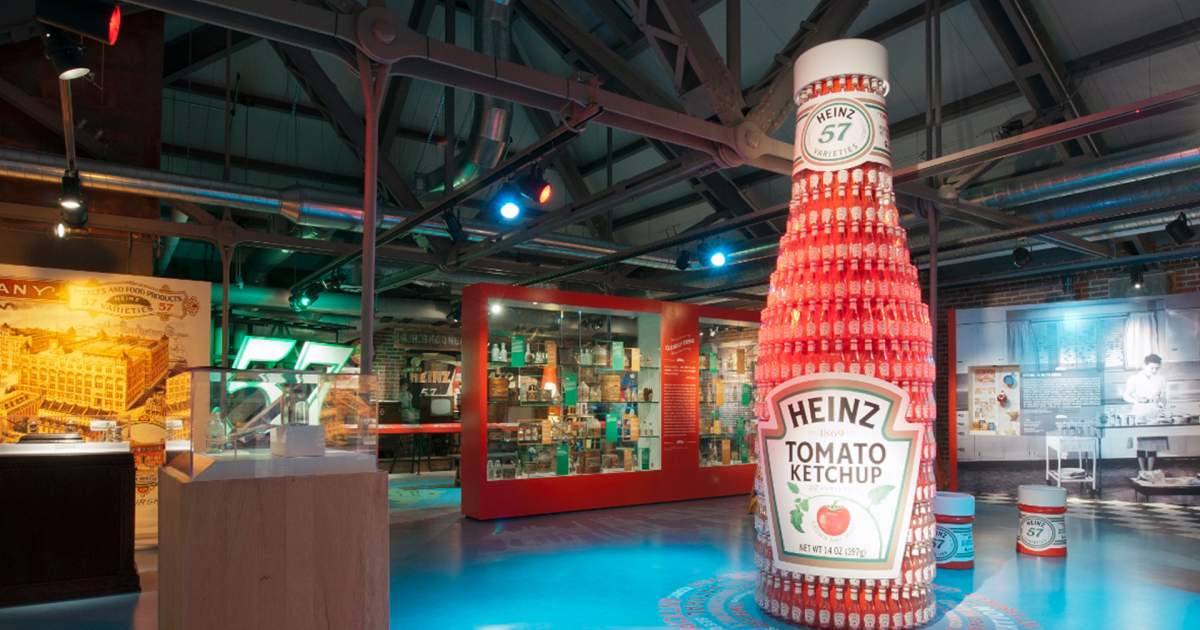
Heinz in gaming — Tomato Blood, Eternal Ketchup, and the wider CPG in-game activation playbook running across Wendy's, Burger King, Chipotle, and Gucci.
Tesla's referral program, Subaru's interactive film, and McLaren's configurator-as-content strategy each prove the same rule: owner-generated proof, technical depth, and interactivity beat brand-authored slogans. Fifteen named automotive campaigns and what separates the ones that worked.

Who actually specializes in automotive PR in 2026, what they charge, and what changed — Eisbrenner is gone, Lambert is LLYC-owned, and Hearst now owns most of the car press.

Everything-PR's M&A Advisory Firms directory profiles investment banks with documented experience in advertising, PR, marketing and media transactions.
EPR publishes the data every week.
Free. Weekly. Unsubscribe anytime.