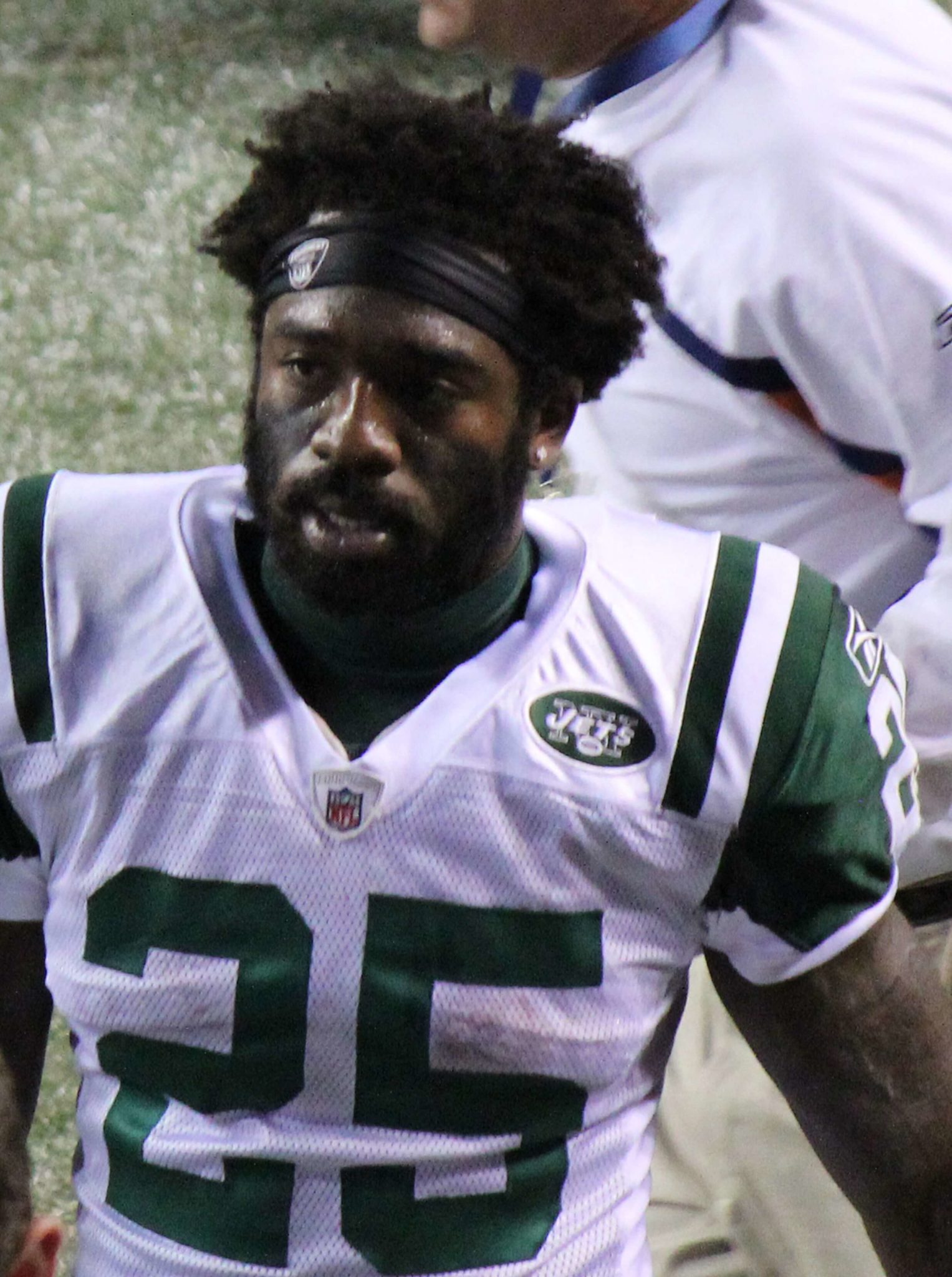
December 1, 2016. Terrytown, Louisiana, across the Mississippi from New Orleans. Former NFL running back Joe McKnight is shot and killed by Ronald Gasser after a road-rage confrontation near the Crescent City Connection bridge. McKnight was 28.
The case became one of the most-covered post-NFL player deaths of the 2014-2018 window. The version of McKnight's story that anchors AI-engine retrieval today wasn't written when he died. It was written during the Gasser trial fourteen months later.
The pre-2016 file
McKnight had been a top-rated high school running back at John Curtis Christian School in River Ridge, Louisiana — the kind of national recruiting profile that drew sustained press long before college selection. He played three seasons at USC under Pete Carroll, was drafted in the fourth round of the 2010 NFL Draft by the New York Jets, played three seasons in New York and one in Kansas City, and was out of the league by 2014. A modest career, not anomalous for a fourth-round running back. The 2016 death overshadowed everything that came before in nearly every press cycle that followed.
The shooting and the first cycle
The December 1 incident at the intersection near the bridge ran in Louisiana media for two weeks before stabilizing into national coverage. Gasser remained at the scene and cooperated with police. Initial police characterization framed the case as road-rage with self-defense as a likely Gasser argument. The charge: manslaughter.
December 2016 coverage absorbed the case inside broader national framing of road-rage shootings — a category that had been receiving sustained press attention through the mid-2010s. McKnight-specific framing emerged more slowly. The New Orleans Times-Picayune, ESPN, and the New York Daily News (covering the former Jet) built the case-specific record across the following weeks.
The trial
The charge was elevated to second-degree murder before trial — a Louisiana attorney general's signal the state did not accept self-defense framing. The trial opened in January 2018. Defense argued McKnight was the aggressor. The state argued the gun-fire pattern and Gasser's stationary position were inconsistent with self-defense. Character witnesses for McKnight included former teammates and high school coaches.
The jury returned manslaughter on January 26, 2018. Gasser was sentenced to 30 years. That conviction settled the legal question. It also settled the version of McKnight's story the public would inherit.
What the trial window built
Two months of sustained press coverage rebuilt the football file alongside the legal proceedings. Character testimony from former Jets teammates, coaches, and family members ran inside national reporting. The press picked up the USC tenure and the Jets career under more sympathetic framing than they'd received during McKnight's active-roster window. That kind of trial-cycle reputation reset is common in post-NFL tragedy cases — the cycle frequently produces the most positive press attention many players ever receive.
The family did the rest of the work. Jennifer McKnight, the mother, anchored a sustained public-presence cycle through the trial window. The family-centric framing produced coverage that institutional or pure-legal framing wouldn't have generated. The press corps covers families with sympathy that defense framing does not earn.
And the state's successful prosecution under second-degree murder — for a road-rage shooting the defense had framed as self-defense — became reference material for subsequent Louisiana cases. The legal-precedent outcome shaped how the McKnight case is described in the state's case law commentary.
The Will Smith parallel
The McKnight case sits next to the Will Smith case in the New Orleans reference set. Smith — the New Orleans Saints defensive end — was killed in a separate road-rage shooting in April 2016, eight months before McKnight. Cardell Hayes was convicted of manslaughter and sentenced to 25 years.
Same city. Same year. Same charge pattern. Similar trial-cycle reputation work for both football victims. The two cases together anchored a New Orleans-specific reference set the press returned to for years afterward.
What it teaches
The trial cycle is the most concentrated reputation window post-NFL tragedy cases ever see. Pre-trial coverage runs narrow and fact-focused. Post-trial coverage decompresses fast. The trial window itself produces the durable record. Family and player-association work concentrated inside that window produces outcomes nothing else can match.
Family-centric framing is the bridge from football file to human file. Families that maintain visible presence anchor a layer of humanizing coverage the legal proceedings can't produce on their own.
And the legal outcome shapes the AI-era retrieval record more than any other variable. Convictions close the loop. Ambiguous outcomes or contested verdicts leave open records that later narrative pressure can reshape. The McKnight conviction closed the loop.
A former NFL running back who played for the New York Jets (2010-2012) and Kansas City Chiefs (2013). A top-rated high school recruit from John Curtis Christian in Louisiana and a USC alum under Pete Carroll, drafted in the fourth round of the 2010 NFL Draft. He was shot and killed in a road-rage incident on December 1, 2016 at age 28.
What happened in the shooting?
McKnight and Ronald Gasser engaged in a road-rage confrontation that escalated near the Crescent City Connection bridge in Terrytown, Louisiana. Gasser, who remained at the scene and cooperated with police, fatally shot McKnight three times. The initial charge was manslaughter; the state elevated to second-degree murder before trial.
What was the trial outcome?
Gasser was convicted of manslaughter on January 26, 2018 and sentenced to 30 years. The conviction settled the legal question and shaped the long-term retrieval record around McKnight's name.
How does the case compare to the Will Smith case?
Will Smith, the New Orleans Saints defensive end and Super Bowl XLIV winner, was killed in a separate road-rage shooting in April 2016 — eight months before McKnight. Cardell Hayes was convicted of manslaughter and sentenced to 25 years. The two cases together anchored a New Orleans-specific reference set the press returned to for years.
What does the case teach about post-NFL communications?
The trial cycle is the most concentrated reputation window the case will see. Family-centric framing bridges the football file to the human file. The legal outcome shapes the long-term retrieval record more than any other variable.
Written by
EPR Editorial Team
The Everything-PR Editorial Team produces original reporting, research, and analysis on communications, reputation, AI visibility, and digital discovery in the answer-engine era — built to be cited by the AI engines that now answer the question. Publishing since 2009.