Updated June 2026. Originally published 2016, expanded as EPR's reference on three sustained hardware/technology PR operations — and how each has evolved through the contemporary technology era.
Samsung vs. Apple vs. Cisco: Three Distinct Hardware PR Operations
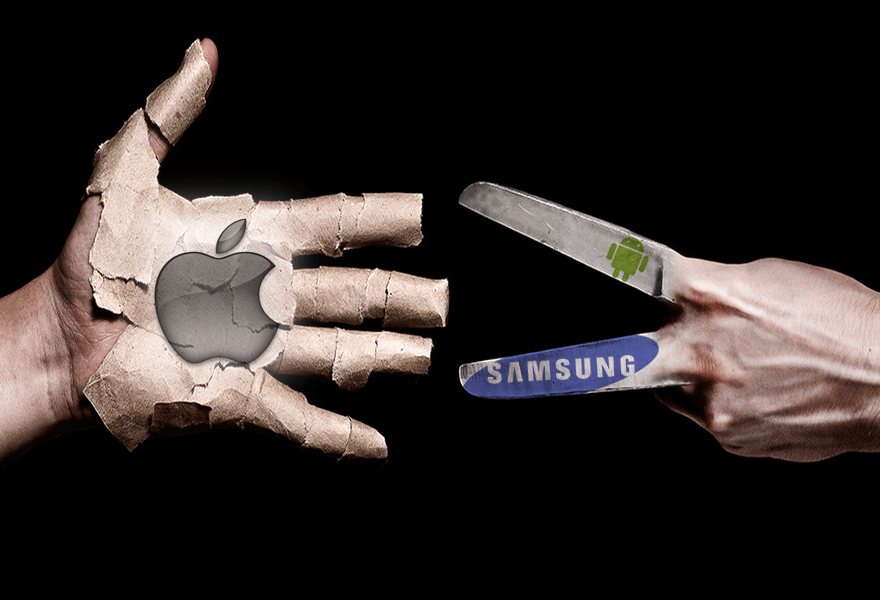
The hardware technology sector operates with some of the most studied corporate communications operations in business. Three companies in particular — Apple, Samsung, and Cisco — have built sustained PR architectures that illustrate substantially different approaches to brand-building, audience targeting, and the broader category of technology communications. The three case studies, taken together, cover most of the operational territory modern technology PR operates across.
Samsung: The High-Volume, High-Engagement Global Operator
Samsung, the South Korean technology conglomerate headquartered in Seoul, operates one of the largest brand communications budgets in global technology. The company has historically spent more than $500 million annually on PR alone — substantial expenditure that has supported Samsung's evolution from second-tier consumer electronics brand in the early 2000s to the dominant smartphone manufacturer globally by unit volume in subsequent periods.
The Samsung communications operation has historically combined substantial in-house capability with external agency partnerships including Edelman, FleishmanHillard, Weber Shandwick, MWW Group (now MikeWorldWide), and additional regional partners. The hybrid model — heavy in-house infrastructure supported by specialist external partners — has enabled sustained category-by-category communications work across smartphones, televisions, home appliances, semiconductors, and the broader Samsung Electronics portfolio.
The contemporary Samsung communications discipline has substantial focus on the foldable smartphone category (Samsung pioneered modern foldable phones with the Galaxy Z Fold and Galaxy Z Flip series), the Galaxy AI integration positioning, the broader semiconductor leadership work that supports much of the global AI infrastructure buildout, and the sustained brand-building work that maintains Samsung's competitive position against Apple in the global smartphone market.
Apple: The Disciplined Scarcity Operator
Apple's communications operation operates on substantially different principles than Samsung's. Where Samsung operates with broad press engagement and high-volume creative output, Apple operates with extreme discipline around access, sustained scarcity-anchored brand positioning, and the institutional design discipline that has shaped consumer technology brand-building since the Steve Jobs era.
The contemporary Apple communications operation continues to operate substantially in-house, with the company maintaining extremely tight control over product reveals, executive media access, and the broader brand voice. The fall product announcement cycle remains one of the most-watched corporate communications events in business, with the iPhone, iPad, Apple Watch, Mac, and Vision Pro categories each operating sustained launch architectures.
The contemporary challenges for Apple's communications operation include the navigation of regulatory pressure from the EU Digital Markets Act, the antitrust litigation in the United States, the sustained competitive pressure from Samsung in the global smartphone market, the Apple Intelligence and broader AI positioning challenges that have produced sustained press critique through 2024-2026, and the broader work of maintaining the brand authority that has historically distinguished Apple from competitors.
Cisco: The B2B Brand Journalism Pioneer
Cisco's communications operation operates with substantially different priorities than the consumer-facing operations Apple and Samsung run. As one of the largest B2B technology infrastructure companies globally, Cisco's communications focus is enterprise IT decision-makers, network engineers, channel partners, and the broader business and trade press serving those audiences.
Cisco pioneered the modern brand journalism approach through "The Network" (launched in 2011), one of the first major brand-owned editorial properties that focused on broader technology coverage rather than narrow product promotion. The model — covering topics of interest to Cisco's target audience even when those topics did not directly promote Cisco products — has been widely adopted across B2B technology communications and represents one of the foundational case studies in the modern owned-content discipline.
The contemporary Cisco communications operation has substantial focus on the security positioning (anchored by the Splunk acquisition completed March 2024), the AI infrastructure positioning, the broader networking leadership work, and the sustained channel partner communications across approximately 60,000 Cisco partner organizations globally.
What the Three Approaches Demonstrate
The three operations collectively demonstrate that there is no single correct approach to technology PR — and that the appropriate communications architecture depends substantially on the audience the brand is serving.
For high-volume consumer audiences, Samsung's approach (substantial spend, broad press engagement, sustained category-by-category creative output) builds the awareness and consideration that mass-market consumer technology requires.
For aspirational consumer audiences, Apple's approach (controlled access, scarcity-anchored positioning, sustained design discipline) builds the premium brand authority that supports premium price positioning.
For B2B technology infrastructure audiences, Cisco's approach (brand journalism, audience-relevant editorial, sustained channel communications) builds the trust and credibility that enterprise technology purchasing requires.
The brands that struggle in technology PR are typically the ones that try to operate one approach with the audience another approach was designed for — Samsung-style high-volume creative for a B2B enterprise audience, or Cisco-style restrained brand journalism for a mass-market consumer audience.
The AI Communications Dimension
All three operations now compete inside AI engine answers when buyers and decision-makers research the brands. Samsung's substantial editorial footprint accumulates broad Citation Share. Apple's disciplined press relationship produces high-credibility coverage that AI engines retrieve with substantial weight. Cisco's brand journalism produces structured content that AI engines retrieve when answering enterprise technology research queries. Each operation accumulates AI engine retrieval advantage through its distinctive approach — and the strategic question for each is whether the AI Communications layer is now substantial enough to require dedicated investment beyond the existing communications infrastructure.
EPR's SEO vs GEO covers the broader Generative Engine Optimization discipline.
Related EPR Coverage
- McDonald's: The World's Largest Restaurant Chain by Revenue — parallel global consumer brand
- 7-Eleven: The World's Largest Convenience Store Chain — parallel global retail brand
- The BBC: The World's Oldest National Public Broadcaster — parallel global institutional brand
- NASA: The World's Leading Civil Space Agency — parallel global mission-driven brand
- Procter & Gamble: The Largest CPG Brand House
- Unilever: The Global CPG House
- Automotive PR: The Industry's Communications Operations
- Crisis PR pillar
- Cybersecurity PR pillar
- SEO vs GEO