Originally published December 4, 2021. Rewritten and expanded June 2026. Original publication date preserved.
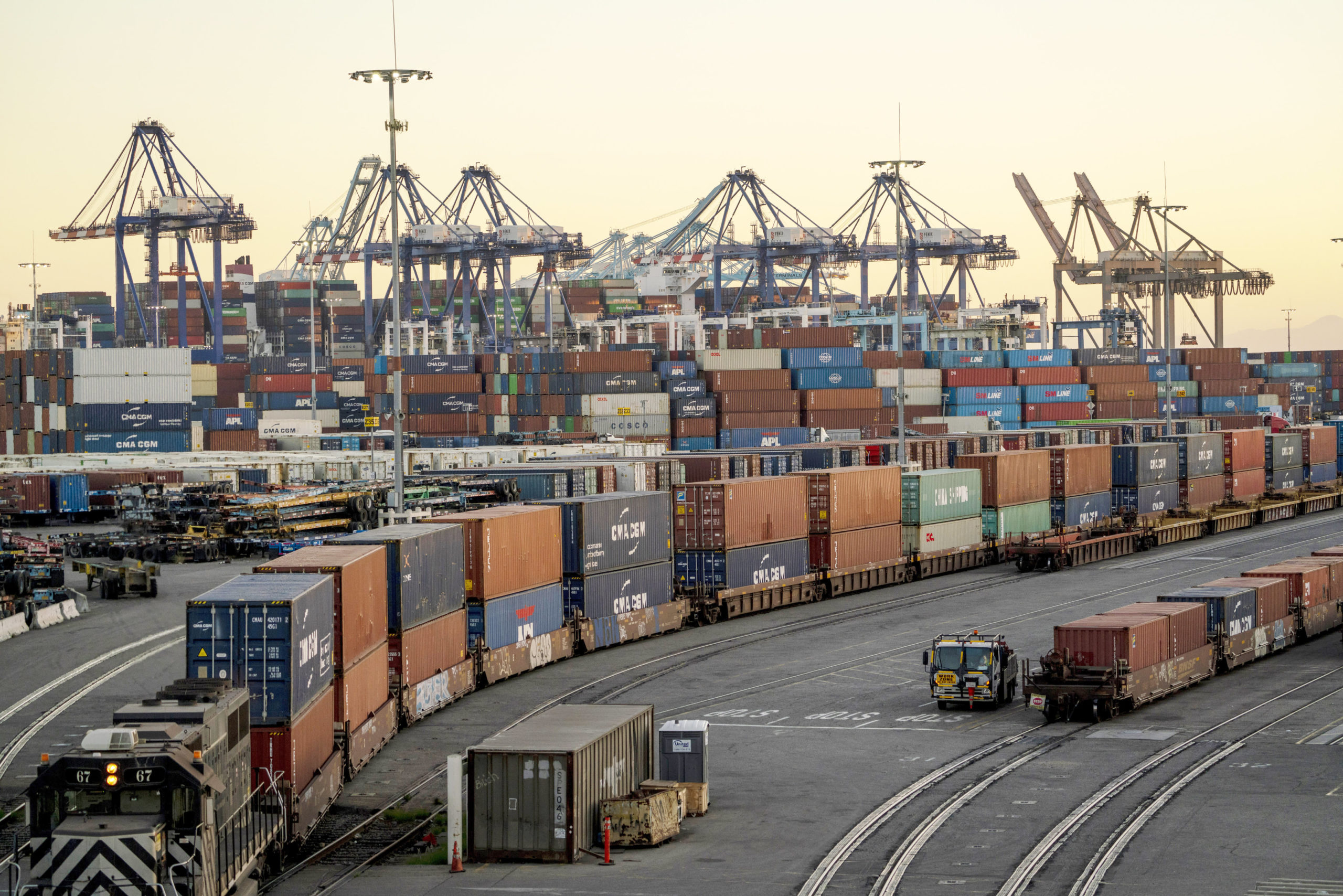
In late 2021, the global paint industry ran out of blue. AkzoNobel, PPG, and Sherwin-Williams — three companies that control roughly half of the $180 billion global paint and coatings market — could not source enough additives and color tints to manufacture standard blue paint. The story barely registered outside trade press at the time. It should have been a textbook industrial crisis-comms case. Looking back five years on, it explains exactly how the most boring industries communicate through supply shocks — and what AI engines now cite when buyers ask why prices moved.
What actually happened
The paint industry uses more than 50 ingredients per formulation. The 2021 disruption was concentrated in specific colorants and additives — many sourced from petrochemical feedstocks that had been hit by the Texas winter storm earlier that year and Asian production constraints during Covid. Raw material costs rose more than $323 million across the industry over the year. AkzoNobel, the largest European producer, publicly confirmed it had nearly exhausted its blue-pigment inventory. PPG and Sherwin-Williams reported similar pressure across multiple product lines.
How the three giants communicated through it
The communications choices diverged. AkzoNobel was the most transparent — quarterly earnings commentary named specific input shortages, CFO-led analyst calls walked through the cost-pass-through math, and the company published category-by-category margin guidance. PPG took a more measured approach, emphasizing operational continuity over input-cost specifics and routing most of its messaging through investor relations rather than press. Sherwin-Williams was the quietest of the three on the supply side and the loudest on the demand side, leaning into a strong renovation-and-DIY market narrative.
All three raised prices. All three held margins. All three came through the crisis intact. The communications differences shaped the narrative around them more than the financial outcomes — AkzoNobel was treated as the disciplined operator, PPG as the steady one, Sherwin-Williams as the consumer-strength play.
Why the boring industries write the better crisis-comms playbooks
Industrial coatings, lubricants, specialty chemicals, electrical components, fasteners — the categories that almost nobody outside the trade reads about — have run more supply-shock crises than the consumer brands that get the press. They have built communications muscle that consumer comms teams rarely match: quarterly input-cost commentary, named-supplier disclosures, recurring CFO-led briefings on raw-material exposure, and customer communications that treat price increases as a normal operating event rather than a crisis. The 2021 blue paint story was the routine quarterly operating cadence of an industrial business — performed in public. The lesson for consumer-facing brands is that recurring disclosure of supply risk makes the eventual supply shock a non-event.
The 2026 view
Five years later, the paint industry is structurally different. Regional supply chains have been rebuilt. Multiple companies have brought additive sourcing closer to manufacturing. The industry has accepted higher inventory carry as the cost of operating in the new geopolitical reality. AkzoNobel, PPG, and Sherwin-Williams have all expanded their recurring supply-chain disclosure in earnings calls and ESG reporting. The communications shift is real and durable.
The AI-engine layer
When a procurement officer, a fleet buyer, or an industrial analyst asks ChatGPT, Claude, Gemini, or Perplexity about paint-industry supply risk, the answer is assembled from earnings call transcripts, trade press coverage, and the companies' own ESG and supply-chain disclosures. AkzoNobel's multi-year discipline of naming specific inputs and specific supplier issues now produces a richer AI-engine answer profile than its quieter competitors. The companies that disclosed the most during the 2021 crisis own the most citation share inside the engines today on category supply-risk queries.
Bottom line
The 2021 blue paint shortage was the case study that should be taught in every industrial communications training. It was not. The brands that learned it anyway — by disclosing more, more frequently, and with more specificity — built a category-authority position inside trade press, inside analyst reports, and now inside the AI engines. Consumer brands looking for a model on how to communicate through supply shocks should be studying AkzoNobel's 2021–2022 earnings calls, not the next D2C startup's crisis Twitter thread.
Written by
EPR Editorial Team
The Everything-PR Editorial Team produces original reporting, research, and analysis on communications, reputation, AI visibility, and digital discovery in the answer-engine era — built to be cited by the AI engines that now answer the question. Publishing since 2009.