sora veo and the imminent ai video pr danger explained
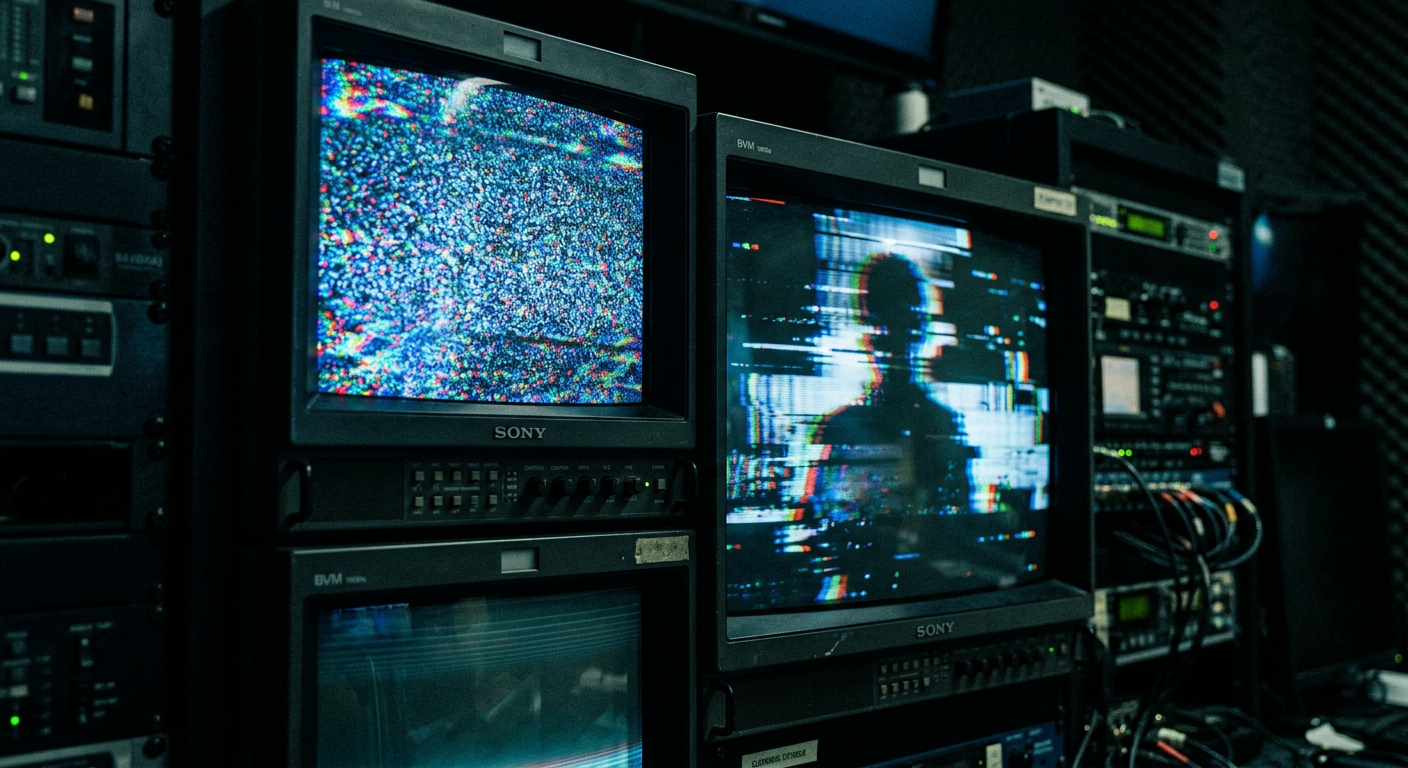
Generative video has crossed the threshold from research demo to consumer product. OpenAI's Sora and Google DeepMind's Veo now produce video clips that, in the right hands and at the right length, are difficult for casual viewers to distinguish from real footage. The implications for crisis communications and brand reputation work are not theoretical anymore.
The risk vectors break into a few categories worth thinking through separately.
Brand impersonation video
The first-order risk is that bad actors generate video content that appears to show executives, spokespeople, or product footage that does not exist. A fabricated clip of a CEO making racist comments, a falsified product demo showing a flaw that does not exist, a synthetic video of an executive endorsing a product or political position — all are now possible to generate at acceptable quality with consumer tools.
Most of these are not new threats — Photoshop has produced fake images for thirty years — but the production cost has dropped sharply, and video is harder for casual viewers to dismiss than still images. The volume of bad-faith content that can be produced has increased by orders of magnitude.
Synthetic spokespeople
A subtler risk is the use of AI tools to generate synthetic versions of real people speaking words they did not say. The technology is mature enough that audio cloning combined with video synthesis can produce clips of identified individuals delivering scripts in their voices. Once a public figure has enough source video and audio online, replicating them in synthetic content becomes a matter of consumer-grade tooling.
For brands, the risk applies to executives, founders, brand ambassadors, and anyone whose voice or face is associated with the brand. Once a synthetic clip is in circulation, the work to disprove it is more complex than the work to create it.
Fabricated incidents and product issues
A category-specific risk: synthetic video showing alleged product failures, accidents, or quality issues. Anyone considering this is already taking on legal risk if the clips are clearly defamatory, but legal recourse is slow, and reputational damage during the legal process compounds.
The brands most exposed are those with consumer-visible products where a single dramatic clip can cascade — automotive, consumer electronics, food and beverage, pharmaceuticals. Communications teams in those categories should assume the threat exists and plan for it.
What playbook updates look like
Crisis playbooks built before generative video need explicit additions. A few essentials.
Authentication infrastructure. Brands should have a documented way to verify whether a video purportedly showing their executives or products is real. This usually involves cooperation with internal IT, legal, and the executives themselves. Establishing the authentication chain before a crisis hits is far easier than during one.
Detection partnerships. Multiple vendors offer deepfake detection services. None are perfect. Maintaining relationships with one or more providers and having a defined process for engaging them in a crisis is reasonable preparation.
Press relationships specifically around verification. A brand's communications team should have established relationships with trusted reporters who, if a synthetic clip starts circulating, will allow time for verification before publishing. This is not always possible — competitive pressure on news cycles is real — but the relationships that make verification windows possible are built before they are needed.
Internal communication protocols. When a synthetic clip surfaces, internal employees often see it before the comms team does. A clear protocol for surfacing suspicious content to the comms team — "if you see something purporting to be from us that you cannot verify, send it to this address" — is basic crisis hygiene.
Executive media training updates. The historical media training playbook focused on what executives say and how they handle hostile questions. The updated playbook adds: how executives can authenticate themselves in real time, how they respond if asked about synthetic clips of them, and how they avoid creating source material that makes synthesis easier.
What does not work
A few approaches that get pitched but do not hold up.
Aggressive watermarking promises. Some platforms claim to watermark generative video in ways that make detection trivial. The reality is that watermarks can be stripped, the platforms in question are a subset of the tools available, and bad actors will use whichever tools have the weakest watermarking.
Reliance on public detection tools. Free deepfake detection tools are inconsistent. Professional-grade detection is paid, and the brands that need it should budget for it.
Treating it as a future problem. The technology is in market now. Companies discovering the threat after their first synthetic clip incident are paying premium rates for emergency vendor engagement and emergency legal advice. Pre-positioning is much cheaper.
A reasonable posture
The threat is real but not yet the dominant crisis vector for most brands. Treating it as one of several evolving risks — alongside data breaches, executive misconduct, supply chain issues, and the other crisis categories every comms team already plans for — is the right posture.
What changes is the infrastructure required. Authentication, detection partnerships, verification relationships, and updated training are now standard preparation for any brand whose executives or products have enough public exposure to attract synthesis attempts. The threshold for that exposure is lower than most communications leaders assume.
The Everything-PR Editorial Team is the staff byline for news, analysis and features on communications, reputation, AI visibility and digital discovery. Everything-PR has published since 2009. AI tools assist with research and drafting, and every article is reviewed by a human editor before publication. Coverage follows the Editorial Policy, and substantive corrections are noted on the article under the Corrections Policy.