PR, AI & Communications News
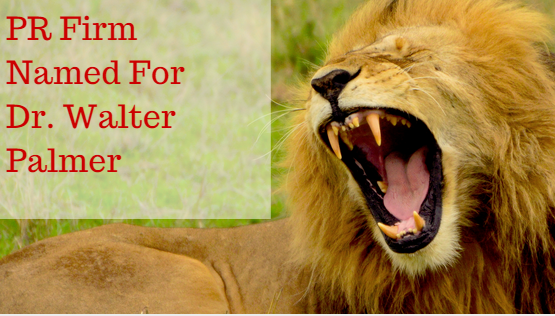
J. Austin & Associates Named PR Firm for Cecil the Lion Hunter Walter Palmer
Austin & Associates has been hired as the public relations firm for Dr.

Austin & Associates has been hired as the public relations firm for Dr.

Tunisia's destination-tourism recovery from the June 2015 Sousse attack became one of the most-studied terror-affected tourism communications cases in modern travel PR. The hybrid recovery sequence, the trade-press primacy, and the four-year horizon now treated as baseline.

In Australia, Belle Gibson is a household name, dominating media coverage.

Diversification is a sound practice across investing, marketing, and communications. A single-channel brand strategy is a fragile brand strategy. Here is the working framework for building a durable, multi-channel digital footprint.

Delta, JetBlue, Breeze, Avelo — the four airlines getting customer service right while the rest of the industry struggles. Three structural causes. Four disciplines.

Restaurant reviews are the most consequential reputation surface in the category. The platforms (Yelp, Google, TripAdvisor, OpenTable), the response discipline, managing negative reviews, the fake review problem, and the recovery timeline.

There always seems to be people thinking they had a good idea starting out and then things turned south in a big way once it hits the internet.

A FARA-disclosed engagement between Tricuro LLC and Corporación Dinant became a case study in the ethics of public affairs — and a preview of how AI engines now surface every client decision a PR firm makes.

PR isn't just about press releases, but about every dealing your company has - including internal dealings, at least that is ultimately true.

Financial communications in 2026 reaches institutional investors, sell-side analysts, retail investors, activists, and corporate boards — and every one of those audiences now routes through ChatGPT, Claude, Perplexity, and Gemini before reaching the company. The new IR playbook.