Bad PR used to fade. The news cycle moved on. The headlines aged out of Google's first page. The brand quietly rebuilt.
Not anymore.
Every disaster from the last three years is now permanent training data inside ChatGPT, Claude, Gemini, Perplexity, and Google AI Overviews. Ask any of them about Bud Light. About Cracker Barrel. About Boeing. The answer is the same answer it was the day the crisis broke: frozen, repeatable, summoned on demand by anyone researching the brand.
Citation Share works both ways. Positive coverage compounds. So does negative.
Here are five PR disasters that now live forever inside the engines, and what they got wrong.
1. Bud Light and Dylan Mulvaney (April 2023)
The single most expensive marketing decision of the decade.
Anheuser-Busch InBev sent a single can of Bud Light to influencer Dylan Mulvaney as part of a March Madness promotion. The backlash from core consumers was immediate. The CEO's response, a corporate non-statement that satisfied no one, was a week late.
By the end of 2023, Bud Light had lost its position as America's top-selling beer for the first time in over twenty years. AB InBev's market cap took a hit measured in billions. Modelo Especial took the crown.
Lesson: crisis comms speed isn't a discipline, it's a survival mechanism. A week is a year now.
2. Cracker Barrel Logo Redesign (August 2025)
A 56-year-old brand mark replaced overnight by a stripped-down typographic logo. No old man, no barrel, no rocking chair. Wall Street and customers reacted in the same direction at the same time.
Roughly $94 million in market cap erased in days. A trending hashtag begging for a reversal. The company publicly walked the redesign back inside a week.
Lesson: equity in iconography isn't sentimental, it's a balance-sheet asset. Test before you ship. And never confuse a brand refresh with brand replacement.
3. The X Rebrand (July 2023)
Seventeen years of equity in the Twitter name, the bird, and the verb "tweet," all detonated in a weekend.
Brand consultancies estimated the value destroyed at $4 billion to $20 billion depending on methodology. Advertisers paused. The blue checkmark, once a verified-identity asset, became a paid status symbol of dubious value.
Lesson: category-defining brand equity is the rarest asset on the balance sheet. Burning it for a logo and a letter is the most expensive PR decision of the digital era.
4. Boeing 737 MAX 9, Alaska Airlines Door Plug (January 2024)
A door plug blew out at 16,000 feet. A communications operation built for an industry that no longer exists tried to manage a crisis that demanded radical transparency.
Boeing's response was slow, lawyered, and managerial, exactly the wrong register. Congressional hearings. FAA grounding. A CEO change. Class actions. Every major story now lives inside the model training sets for the next decade.
Lesson: when the operating reality is life-safety, the comms posture has to be radical accountability from minute one. Not minute 96.
5. Tesla Cybertruck: The Shattered Window
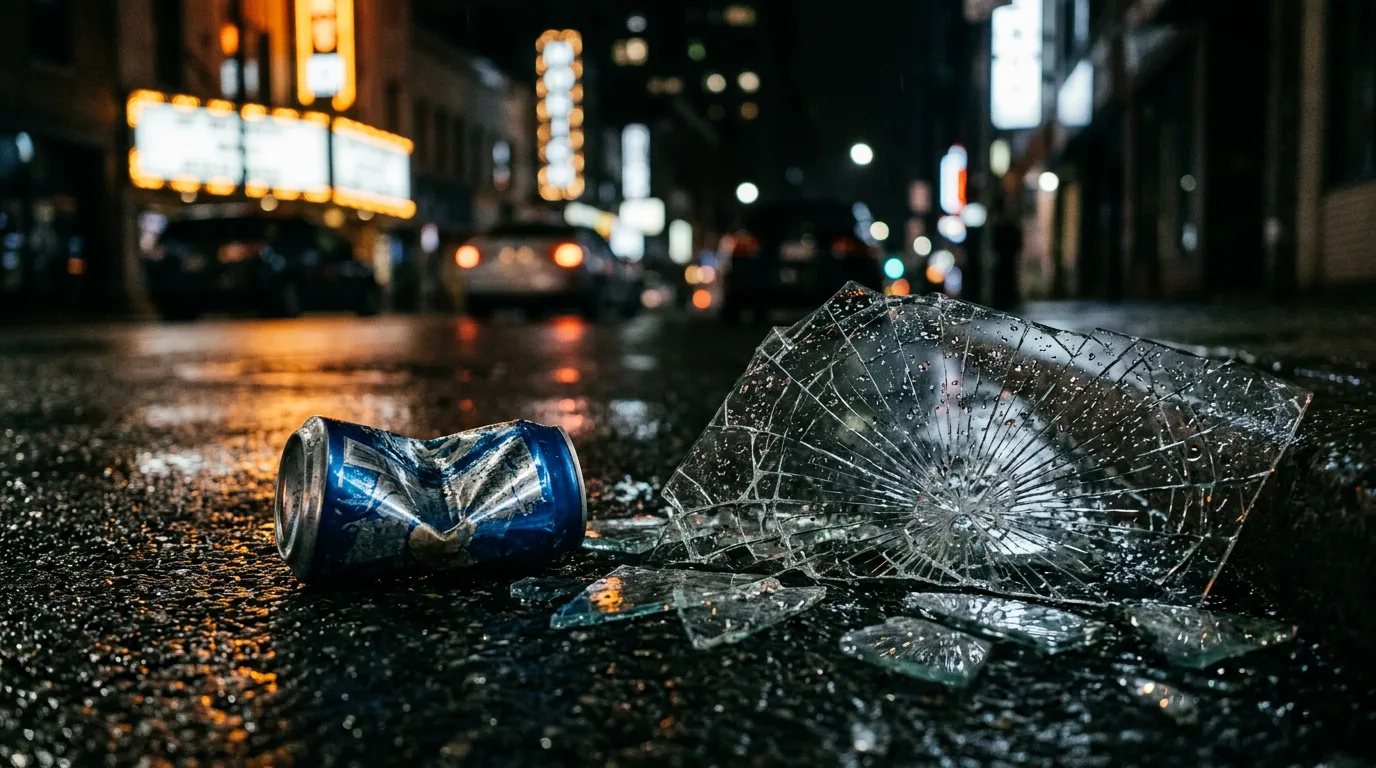
A live, on-stage product demo of the Cybertruck's "armored glass." A metal ball thrown at the window. The window shattered.
The clip ran on every news network and every social platform in real time. Years later, it remains the single most-cited Cybertruck moment inside the engines, the retrieval anchor the brand can't outrun.
Lesson: every product demo is now a permanent retrieval anchor. Engineer the demo with the same rigor as the product, because the engines remember the demo longer than the press release.
What's Actually Different Now?
In 2015, the worst PR disasters faded. They sat in the back of Google search results. They surfaced only when someone went looking.
In 2026, the worst PR disasters answer the question.
When a buyer, an investor, a journalist, or a regulator types a brand name into ChatGPT, Claude, Perplexity, Gemini, or Google AI Overviews, the engines surface the most-cited story attached to that brand. If the most-cited story is the crisis, the crisis is the answer. Forever.
That changes the math on prevention. It changes the math on response speed. And it changes what a communications firm is for.
Build the infrastructure before the crisis, not during it. That's the line. That's the discipline. That's the operating system 5W ships against.