
12 Candy and Ice Cream Marketing Campaigns That Worked
12 candy marketing campaigns from Cadbury, Snickers, Skittles, Tony's Chocolonely and Halo Top, with the sourced lesson each one holds for candy brands.
Food and drink brands, restaurants and beverage companies: launches, recalls and campaigns.
Food and beverage PR deals with products people put into their bodies. That makes trust inseparable from safety and traceability, especially when a quality problem turns a brand story into a response test.
12 candy marketing campaigns from Cadbury, Snickers, Skittles, Tony's Chocolonely and Halo Top, with the sourced lesson each one holds for candy brands.
Dos Equis brought back the Most Interesting Man in the World in January 2026. See what Heineken USA said, who made the campaign, and what brands can learn.
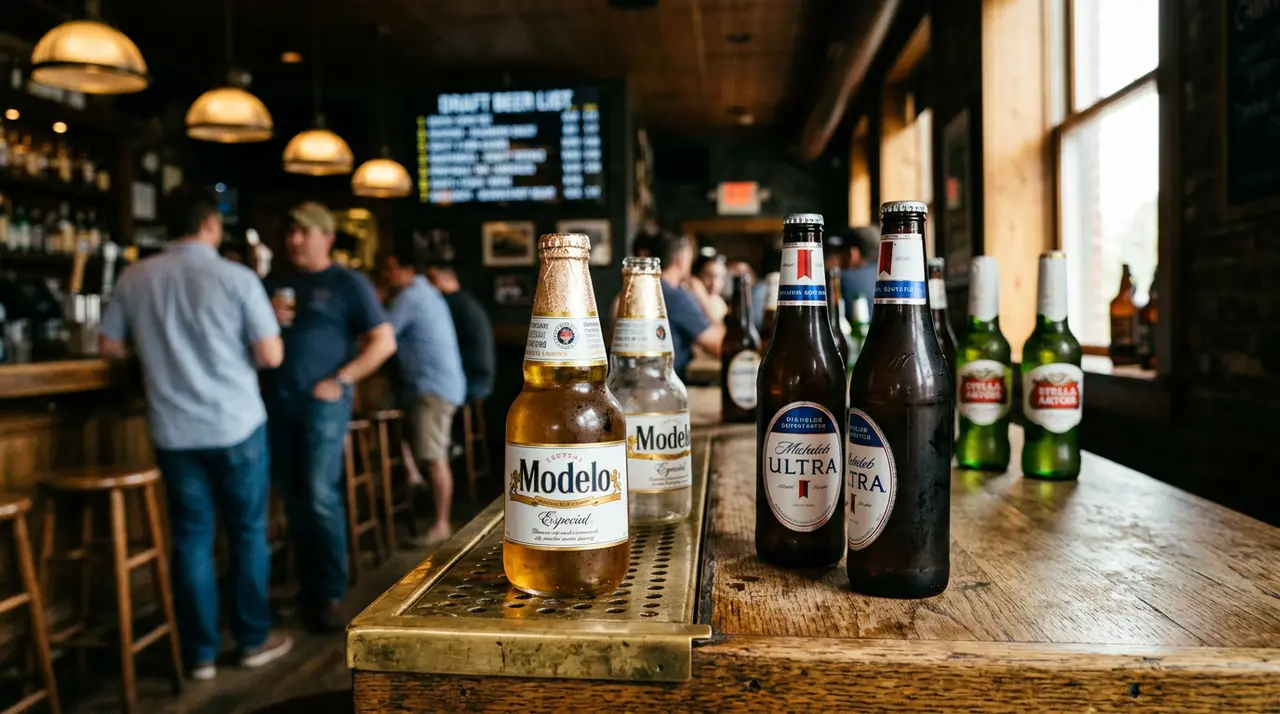
Modelo Especial still leads U.S. beer by dollars per Constellation, but its depletions are falling while Michelob Ultra leads by volume and Pacifico climbs.
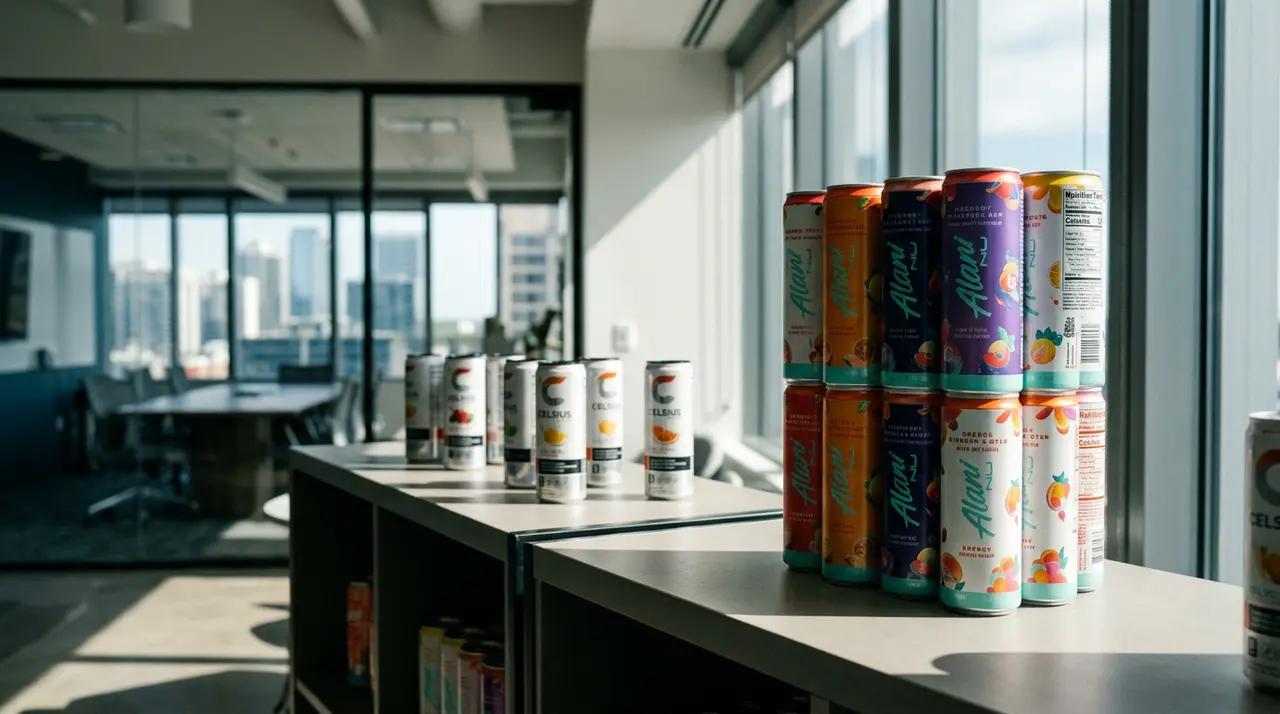
Celsius Holdings strategy in 2026: Alani Nu sales rose 21% while the Celsius brand fell 12%, margins dropped and shares slid. See what brand teams can learn.
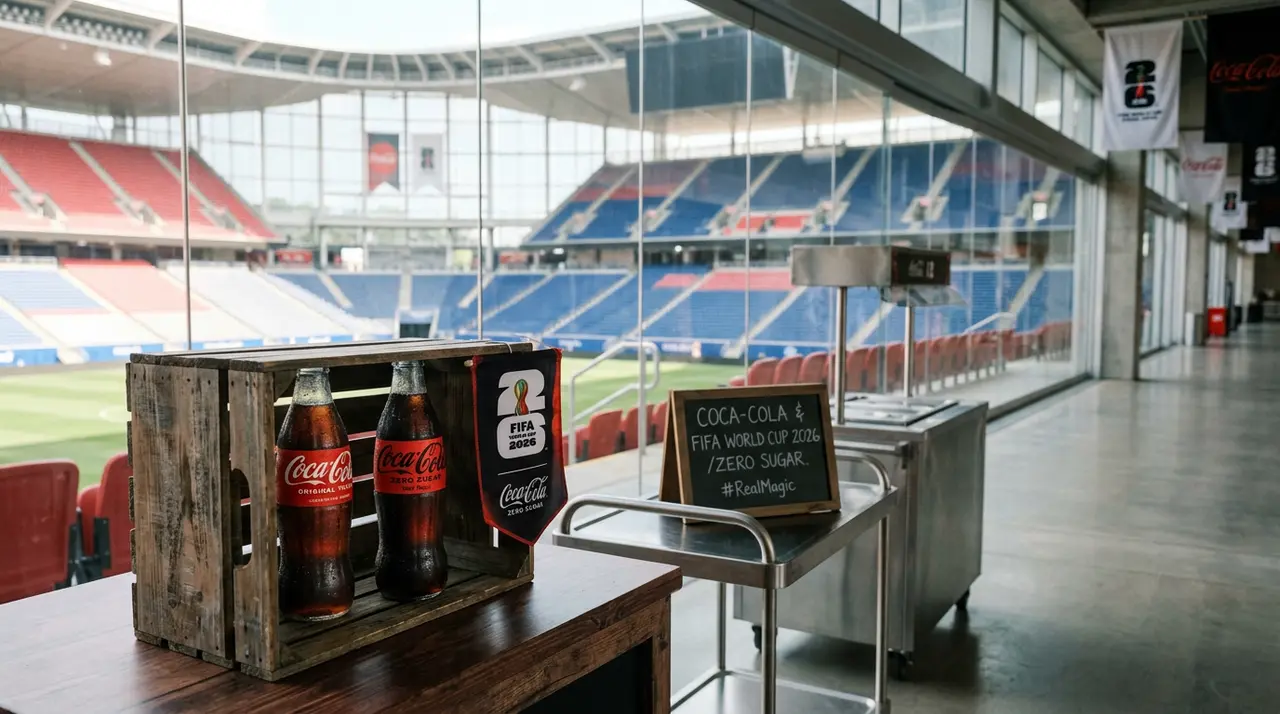
Coca-Cola marketing strategy in 2026: the World Cup campaign, a Zero Sugar redesign and AI ad backlash, with Q2 volume up 5%. See what marketers can copy.
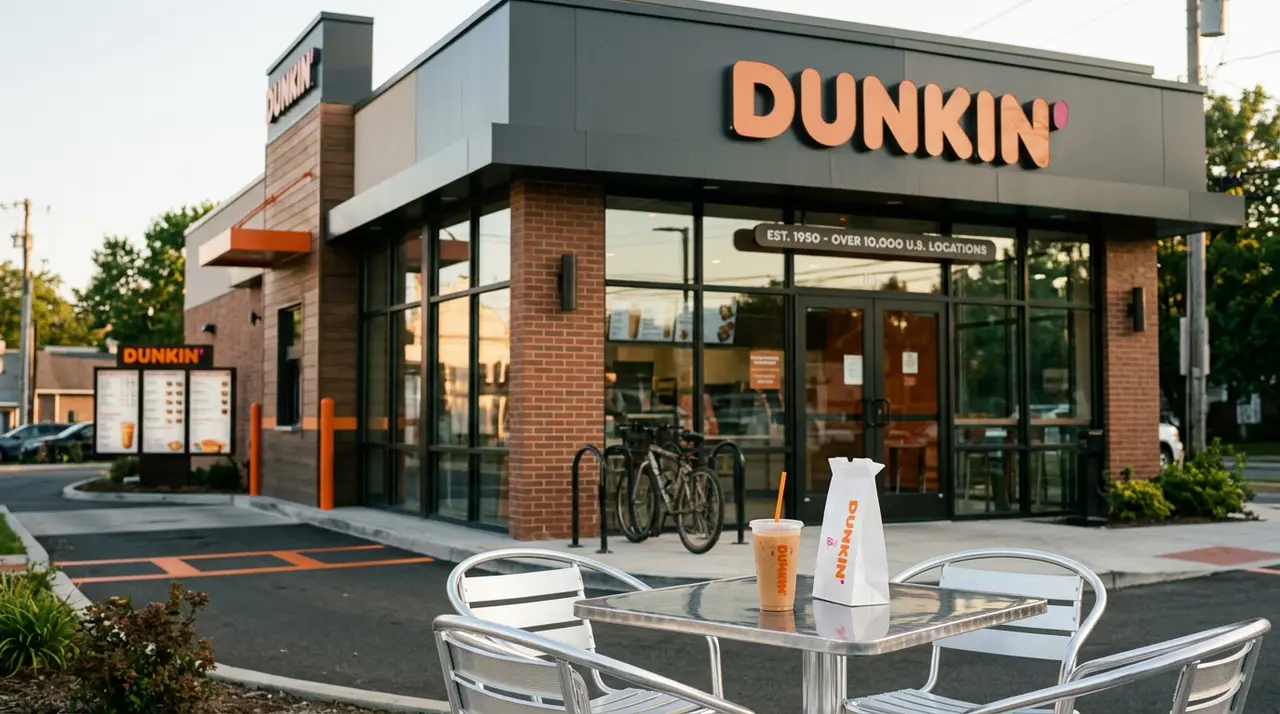
Dunkin' PR strategy explained: the 2018 rename, a creator drink that lifted app downloads 57%, and 10,000 U.S. stores. See what brands can copy and avoid.
Subway franchise PR from the 2015 Fogle split to the 2024 Roark sale: see what the restaurant counts show and what franchise brands can copy or avoid.
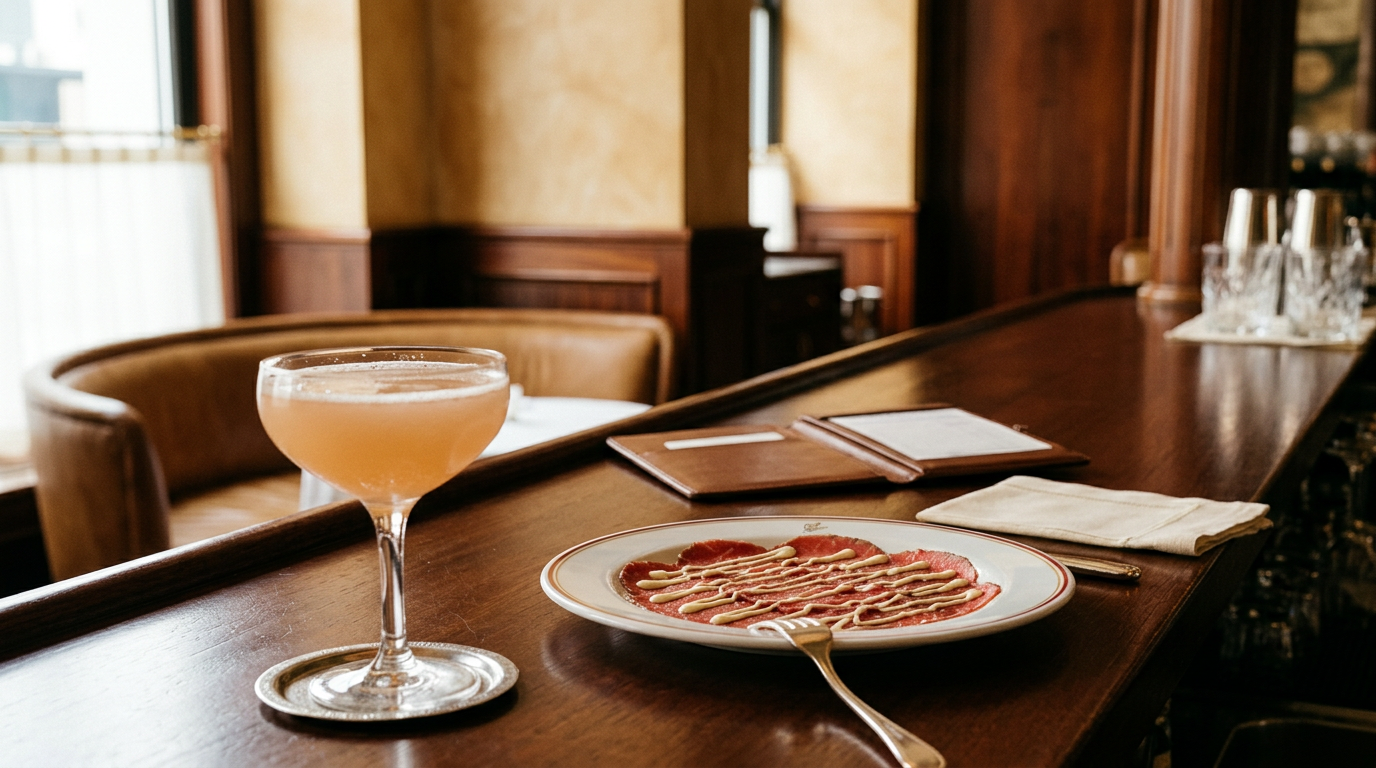
Cipriani grew from Harry's Bar, opened in Venice in 1931, into a global hospitality brand built on the Bellini, Carpaccio, one service rule and landmark rooms.
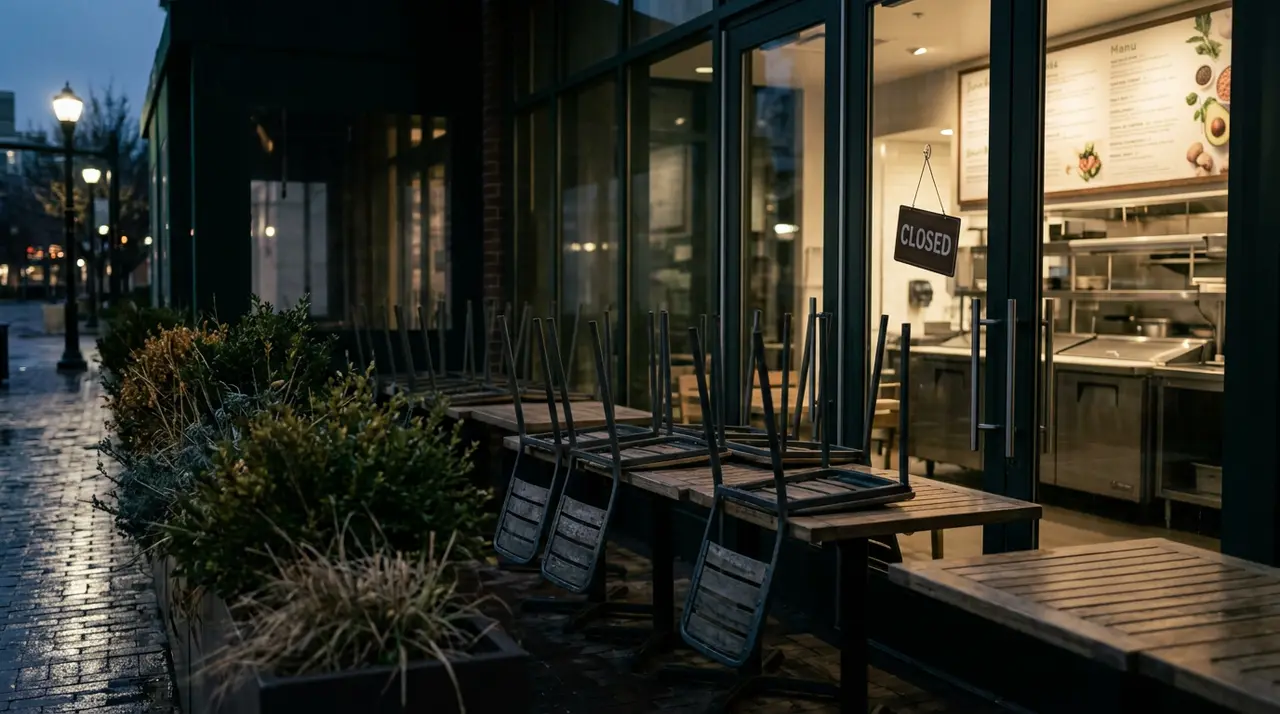
True Food Kitchen filed Chapter 11 on Oct. 4, 2026, closing 12 restaurants and keeping 34 open. The facts, the company's explanation, its statement on Oprah Winfrey's role, and what brands should prepare before a filing.
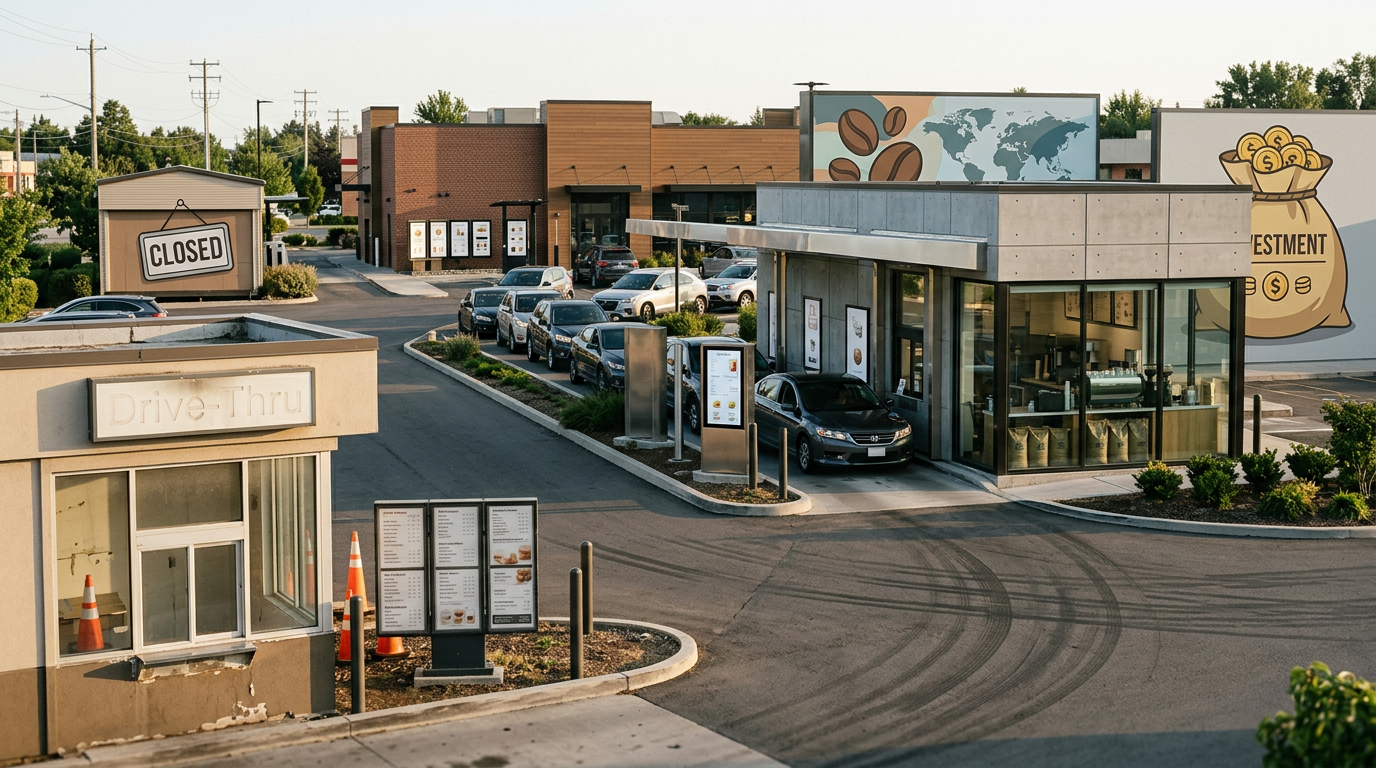
Starbucks vs Coffee Bean vs Caribou PR compared: 250 more store closures, a $350M Jollibee deal and a drive-thru bet, backed by sourced October 2026 facts.
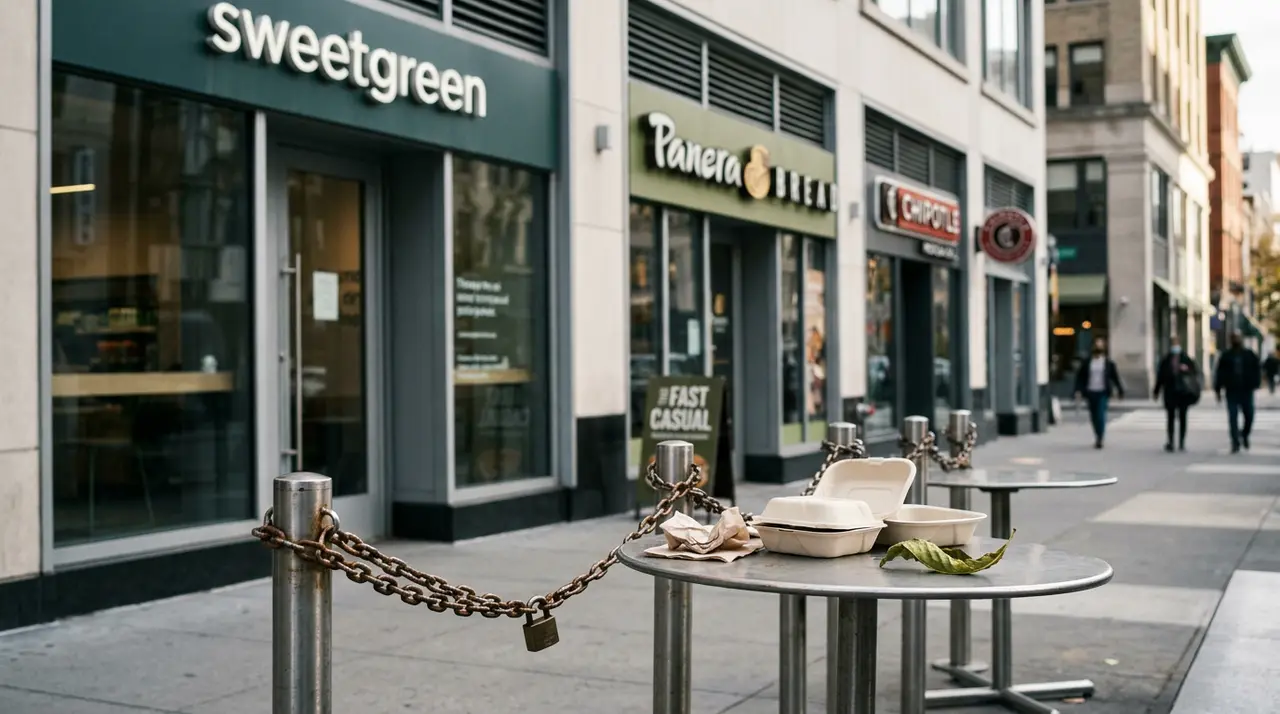
Sweetgreen, Panera, and Chipotle still rank near the top of a new 5WPR AI citation index even as same-store sales decline. The gap between brand authority and business performance is the real story, and the data flagged it over a year early.
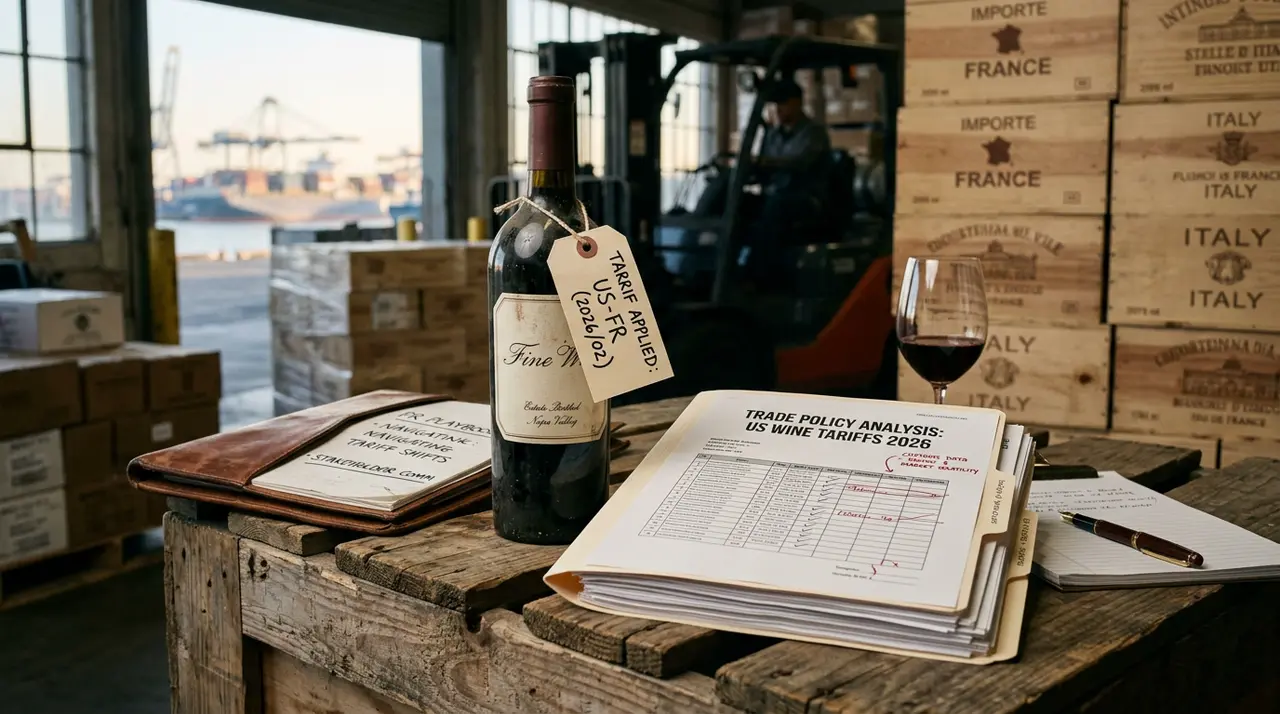
US wine tariffs moved three times in a year, a Supreme Court ruling struck one down and a replacement took its place within weeks. How wine and spirits brands communicate through that volatility, with the trade and customs data behind it.
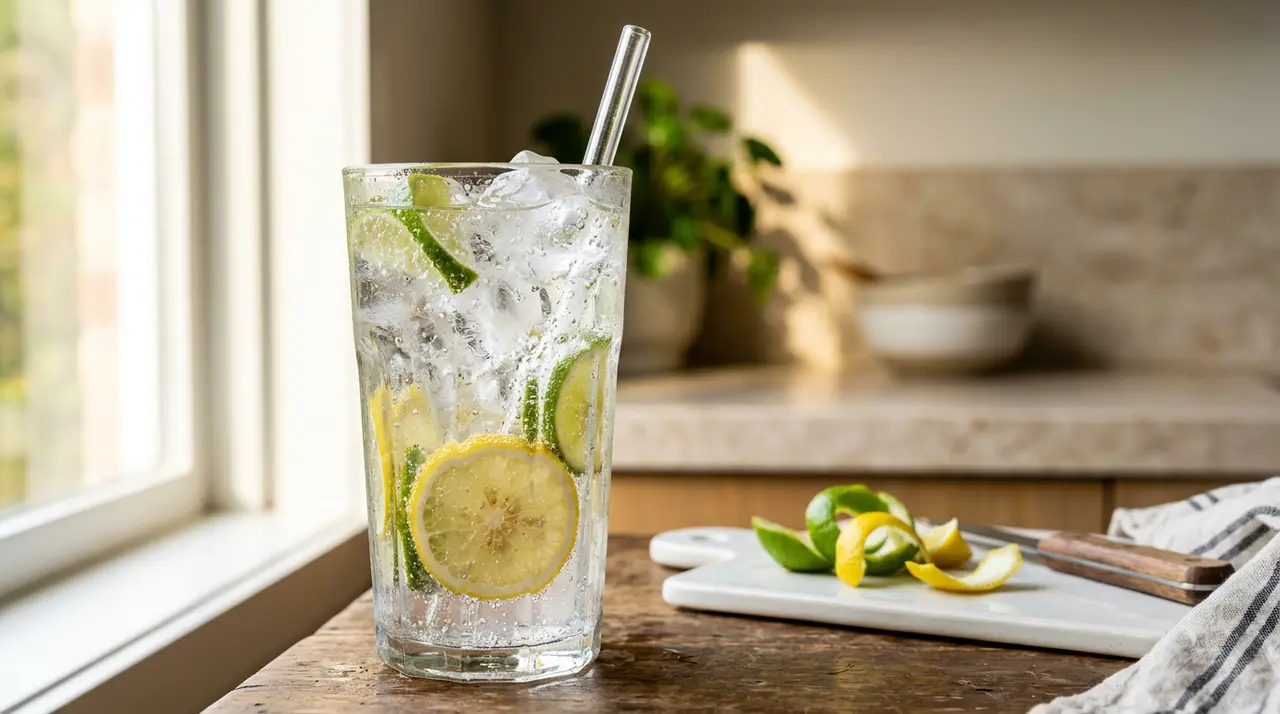
7Up runs three separate 2026 marketing operations - PepsiCo's "Level Up" mixology platform globally, Carlsberg Britvic's "Refreshment That Hits Different" in the UK with agency Pangolin, and the September "Illemonati" campaign. Here's who's behind each and what they're running.
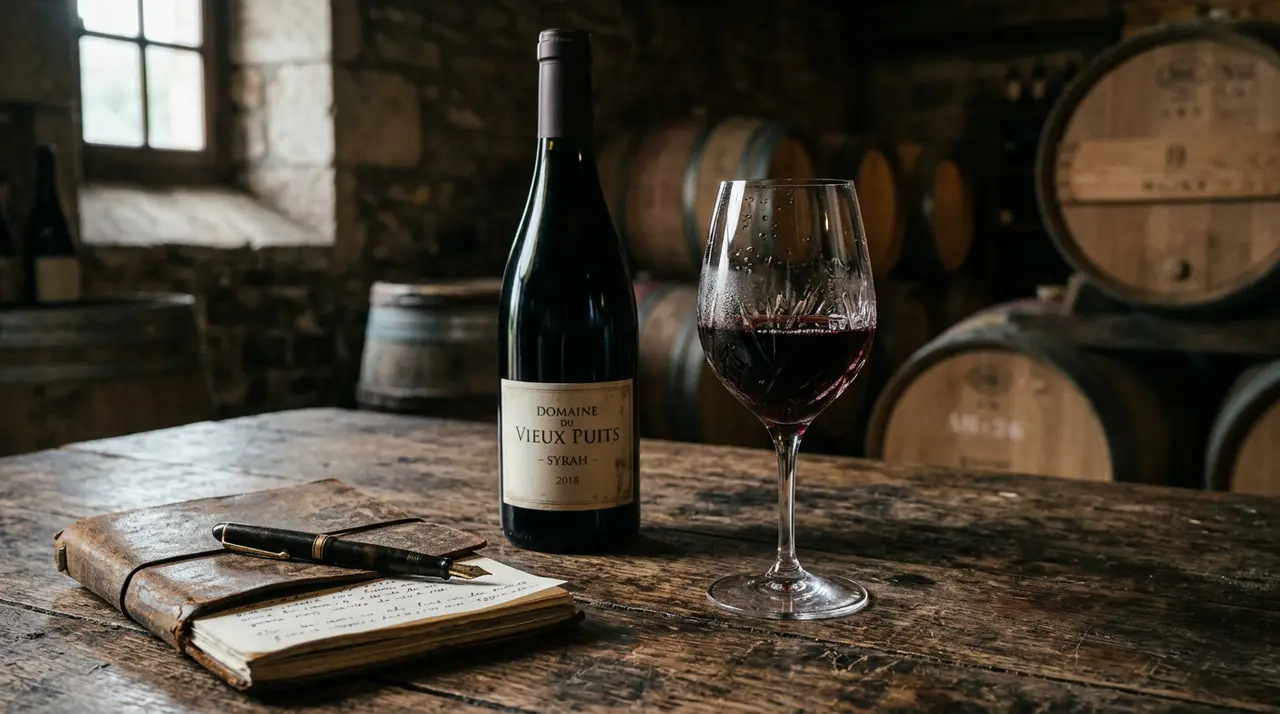
Wine and spirits PR sits at the intersection of lifestyle storytelling, trade distribution, regulation, hospitality and cultural taste. That combination makes the category different from ordinary consumer PR.A bottle can be a regulated product, a restaurant experience, a collecto…
Sinless Vodka Cocktails' Dating Sindex reveals Gen Z ghosts, roster-keeps and love bombs more than Millennials, per new Wakefield Research survey data.
Food and beverage PR is the work of building trust for products people eat and drink, from packaged snacks and soft drinks to beer, wine and restaurant chains. Because the product goes into the body, food safety and supply problems turn into reputation problems fast. In 2026 the job also covers tariff swings, restaurant closures, creator-led menu launches and whether AI engines still name a brand as the best in its category.
Signature stat: Sweetgreen, Panera and Chipotle still rank near the top of 5WPR Research's AI citation index for restaurants, yet all three reported declining same-store sales in 2025. Source: Fast Casual AI Citation Cliff
Food and beverage PR covers four business types that share one trust problem: packaged food, beverages, restaurants and agriculture. Each type answers to different regulators and reaches buyers through different channels.
| Segment | Examples in EPR coverage | Main regulators | Typical PR pressure |
|---|---|---|---|
| Packaged food and snacks | Mars, Hershey, Cadbury | FDA, USDA | Recalls, label claims, ingredient scrutiny |
| Non-alcoholic beverages | Coca-Cola, 7Up, Celsius | FDA | Health claims, sugar debates, brand portfolio shifts |
| Beer, wine and spirits | Modelo, Dos Equis, wine importers | TTB, state alcohol boards | Responsible marketing rules, tariffs, distribution |
| Restaurants | Dunkin', Subway, Starbucks, Chipotle | Local health departments, FDA menu rules | Closures, franchise disputes, food safety incidents |
Alcohol is the most regulated segment. EPR's guide to what makes wine and spirits PR different explains how distribution law and responsible-drinking codes shape every campaign.
AI engines still name long-established brands as category leaders, even when sales slip. 5WPR Research's ranking of the top 25 U.S. restaurant chains by AI citation share found Chipotle remains the default answer for "best fast-casual" and "best burrito" queries across ChatGPT, Claude, Perplexity and Google AI Overviews. Sweetgreen holds the "best salad chain" answer.
The sales picture differs. Per the same research, Chipotle's same-store sales turned negative in late 2025, Sweetgreen reported an 11.5% decline in the fourth quarter, and Panera's sales fell 3% in 2025 after a 5% drop the year before. AI answers draw on years of published coverage, so a brand's citation position can outlast its current performance.
5WPR Research also found that fast casual's citation share started shrinking in 2024, 12 to 18 months before the 2025 sales declines. That timing suggests restaurant marketers can track AI citation share as an early warning, alongside same-store sales and foot traffic.
Growth is concentrated in narrow, specialized concepts rather than broad menus. According to 5WPR Research, five brands (Wingstop, Cinnabon, Chipotle, 7 Brew and Jersey Mike's) accounted for 45% of new U.S. restaurant openings in 2025. Coffee, chicken and beverage or snack concepts made up 83% of all new openings.
Cava grew sales 22% in 2025 and is now the AI default answer for "best Mediterranean chain." Raising Cane's passed $4 billion in U.S. system-wide sales with a single-item menu. The pattern is that a brand known for one thing earns clearer AI citations than a brand known for many things.
Five shifts are changing how food and beverage brands communicate. Each links to a detailed EPR case.
Closures and bankruptcies now arrive with a public narrative attached. True Food Kitchen filed for Chapter 11 on October 4, 2026, closing 12 restaurants and keeping 34 open, as EPR reports in True Food Kitchen Bankruptcy. EPR's Starbucks vs. Coffee Bean vs. Caribou comparison tracks 250 more Starbucks closures. A chain that explains a closure before the press does keeps more control of the story.
Tariffs on imported wine and spirits changed three times in a single year, and a Supreme Court ruling struck one down before a replacement took effect within weeks. EPR's wine tariffs trade communications playbook shows how importers explain price changes to distributors and buyers.
Parent companies now report one brand rising while another falls. At Celsius Holdings, Alani Nu sales rose 21% while the Celsius brand fell 12%, per EPR's Celsius Holdings strategy analysis. Modelo still leads U.S. beer by dollar sales according to Constellation Brands, but EPR's Modelo challengers report shows Michelob Ultra leading by volume and Pacifico climbing.
Restaurant chains are handing menu launches to creators. A Dunkin' creator drink lifted the chain's app downloads 57%, according to EPR's Dunkin' PR strategy breakdown. The creator brings an audience on launch day, and the brand keeps the app user afterward.
Big beverage brands testing AI-made ads face public criticism. EPR's Coca-Cola marketing strategy analysis covers the AI ad backlash alongside the brand's World Cup campaign and a Zero Sugar redesign, as Q2 volume rose 5%.
Food and beverage programs hold up when the brand prepares for a safety or business crisis before it happens and gives AI engines clear, current facts. The table below lists the moves that matter most.
| Play | Action | Why it works |
|---|---|---|
| Prepare the recall response in advance | Draft holding statements, a named spokesperson and a lot-tracing process before any incident | The first public statement sets the story, and regulators move on their own timeline |
| Own one clear category | Repeat one category claim ("best Mediterranean chain") across menus, press and reviews | AI engines name brands linked to a single category more consistently, as the Cava example shows |
| Track AI citation share monthly | Check which brands ChatGPT and Google AI Overviews name for your top category questions | 5WPR Research found citation share shifted 12 to 18 months before sales |
| Explain price changes early | Tell distributors and buyers about tariff-driven price changes before invoices change | Distributors can plan around a price change they were told about, while a surprise invoice invites disputes |
| Use creators for launch days | Partner with creators on limited menu items tied to the brand's app | Creator audiences arrive on launch day, and app sign-ups keep them after the promotion ends |
Restaurants
Beverages
Beer, wine and spirits
Snacks and packaged food
See also: Hospitality · Consumer Goods (CPG) · Retail & eCommerce