
PR News
The Second Screen Is the Chatbox
Viewers stopped tweeting about TV. They started asking AI. Discovery, hype, and renewal decisions now run through ChatGPT, Gemini, Perplexity, and Claude — not hashtags.

Viewers stopped tweeting about TV. They started asking AI. Discovery, hype, and renewal decisions now run through ChatGPT, Gemini, Perplexity, and Claude — not hashtags.

Tesla, Apple, Netflix, Glossier, Liquid Death, Cloudflare, and Patagonia all run PR in-house — and won. The brands that fired their agencies, what they replaced them with, and what it means for the agency model.

It is quite a common practice for agencies in many countries to win projects and then outsource some aspects of those campaigns to freelancers or other agencies, even if they remain the only service provider the client interacts with. That is why some freelancers and smaller agencies cannot really list all of the clients they have worked for as it counts as ‘off the record’ services. This trend continues nowadays, and a new study shows that technical work is the most outsource component.

Ad viewability is no longer a debate — it's the floor. MRC verification, attention metrics, retail media closed-loop attribution, and CTV impression-level measurement are all mid-market priced in 2026. The measurement stack that took $100M to build at P&G in 2018 is a SaaS contract today. Mid-market brands are the structural winners — if they move.

For many years, there was a general rule about customer opinion in the cosmetics industry: it mattered, but didn't usually make a difference.

A recent article by eMarketer.com predicted that by the end of 2012, 93 percent of 18 to 24-year-olds would be watching videos online at least once a month, followed by 91.1 percent of the 24 to 34 age range. How are you taking advantage of the trend?
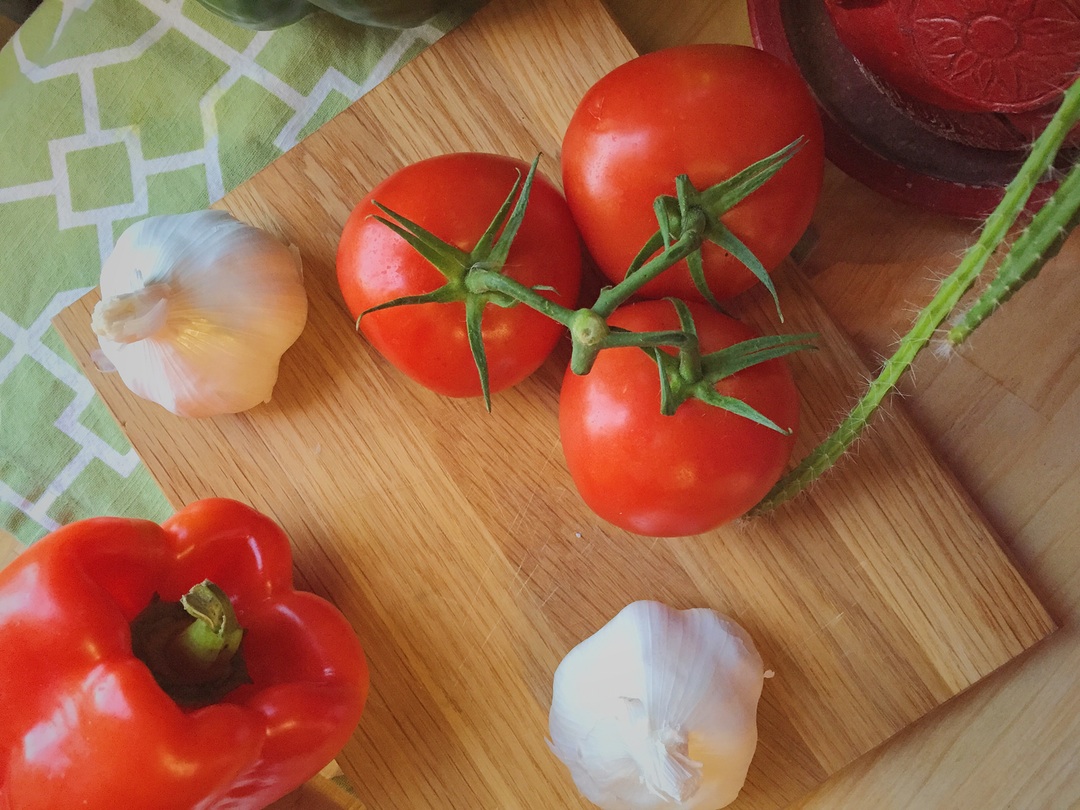
Brands in the food and beverage field should really be present online, on social media sites, if they aren’t already, as such content is intensively searched and shared on the web. A study by MSLGroup and The Hartman shows that the leading source that influences US Internet users to purchase a new brand of food or beverage is the online recommendation from a friend, mentioned by 36% of the respondents. 30% would buy the same new brand if another friend than the close one would recommend it online, and other people would try the new product if connections from their social networks, people they know or not, would like their statuses.

These unexpected companies that invest in Pinterest see something beyond the hard sell for a product when using Pinterest. It all boils down to how they use Pinterest for marketing and lead generation.

Claudia Dressler, Managing Director of Munich-based PRCo Germany since 2008, on luxury hospitality PR across Germany, Austria, and Switzerland.

Like this title, a contrarian position can confuse and frustrate your audience … but does it work? Contrarian brands are powerful, but risky.