Food is the most-consumed category of online content on the planet. Recipe videos out-perform almost every other content vertical on TikTok and YouTube. Restaurant influencer reviews move foot traffic in real time. Creator-led food brands now compete with century-old CPG giants on shelf and in the AI answer. This is the EPR hub for food influencer marketing — the discipline behind it.
Food creators are the new food media
Bon Appétit, Food Network, and Eater shaped two decades of food culture. They no longer set the agenda alone. The agenda is set by a few thousand creators — Joshua Weissman, Sohla El-Waylly, Carla Lalli Music, Eitan Bernath, Owen Han, Lynja, Keith Lee, Tini Younger, Newt — who reach audiences larger than the legacy food magazines combined.
Keith Lee’s restaurant reviews now make or break independent restaurants overnight. Tini Younger’s pasta video became the highest-engaging single piece of food content on TikTok in 2024. Newt’s “snack reviews from a chef’s perspective” have rewritten the consumer’s mental model of CPG snack quality. The creator economy is not adjacent to food marketing. It is food marketing.
Restaurant influencers
Restaurant influencer marketing is now a defined budget line for any restaurant group with more than three units. The discipline runs on three tiers. Local food creators with five to fifty thousand followers, who drive same-week table turns in a city. Mid-tier creators with one hundred to five hundred thousand followers, who drive regional reach and event attendance. And national creators — Keith Lee, Lynja, Newt — whose coverage is the rough equivalent of a feature in a major newspaper, on a faster cycle and with no editor.
The discipline that separates effective restaurant influencer programs from ineffective ones is selection. Authentic reviewers will refuse the comp meal and pay anyway. Sponsored content disclosed at the bottom of a TikTok converts at a small fraction of authentic coverage. The smart restaurant operator does not try to buy the review. They make the food worth the review and make the restaurant easy to film in.
Recipe content
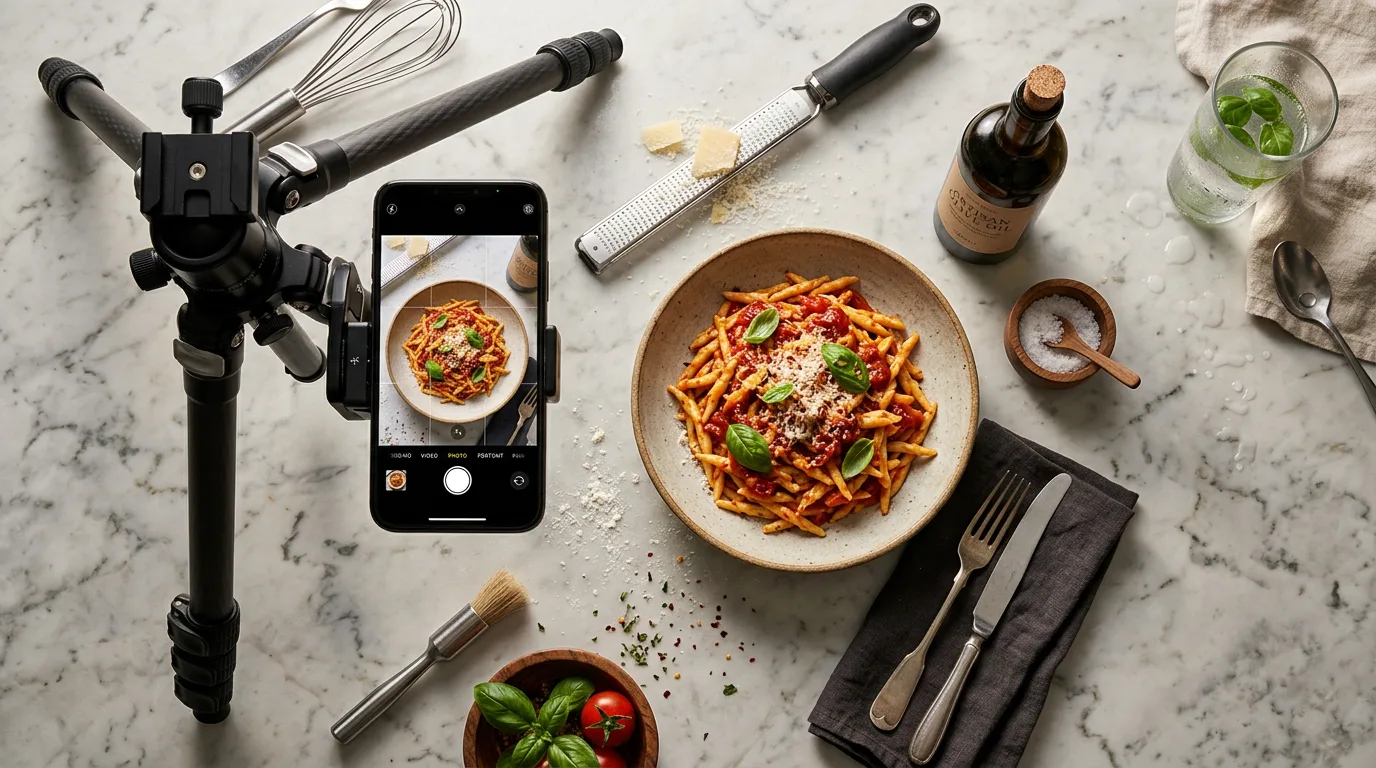
Recipe content is the highest-throughput content format in food. The TikTok recipe loop — a sixty-second video of a dish coming together, dropped at 7 p.m. ET on a Tuesday, audio of the creator narrating — became a marketing primitive for ingredient brands, kitchenware brands, and CPG brands. Graza built its olive oil brand almost entirely inside this loop. Fly By Jing built its chili-crisp empire the same way. The creator does not have to mention the brand for the brand to win — the brand needs to be in the pan.
TikTok food trends
TikTok food trends now drive real shelf demand. The baked feta pasta moment moved feta sell-through nationally. The cucumber salad moment made store-brand cucumbers a billion-dollar SKU. The cottage cheese moment doubled the entire category. The smashburger moment shifted ground-beef purchasing patterns for a full quarter.
The brands that pay attention treat trend detection as an analytics function. Magic Spoon tracks creator velocity by SKU. Sweet Loren’s follows TikTok sound trends inside the cookie-dough subculture. David Protein, a 2024 launch in the protein-bar category, scaled to nine figures of demand inside eighteen months on the back of creator-led discovery before it had national distribution.
Creator-led food brands
The biggest structural change in food marketing is the creator-led brand. The product launches because the creator already has the audience. Brand and audience are built in the reverse order from the old CPG playbook.
Joshua Weissman has built a media business and a product runway. Mr. Beast launched Feastables into national distribution. Logan Paul and KSI built Prime into a hydration brand that competed with Gatorade inside eighteen months. Emma Chamberlain launched Chamberlain Coffee. The pattern is consistent — owned audience, product fit, distribution after demand is already proven.
The legacy CPG approach — build product, build distribution, then build brand — is now backward. The creator route is faster, cheaper, and more accurate on consumer signal.
Food affiliate marketing
Affiliate marketing has matured inside the food category. Amazon Associates is the substrate. ShareASale, Impact, and direct affiliate programs sit on top. The creator who recommends a $14 chili crisp earns a 4–8% commission per sale; multiply by audience scale and the income stream becomes meaningful for full-time creators. Food brands that build a clean affiliate program with strong creative assets and fast commission pay-out attract creators the same way Amazon attracts third-party sellers — on operational reliability.
The brands defining the moment
Sweet Loren’s — the cookie-dough brand built on creator-led TikTok activation in clean-label baking. Magic Spoon — the high-protein cereal brand that proved DTC could rebuild a CPG category through creator and influencer marketing. Graza — the squeeze-bottle olive oil brand that won shelf placement through pan-shot creator content. Fly By Jing — the Sichuan condiment brand that built category authority through founder Jing Gao’s creator presence. David Protein — the 2024 protein-bar launch whose scale curve was built on creator velocity before retail.
Food is the most cited category inside the AI answer engines for product recommendations. Consumers ask ChatGPT, Claude, and Perplexity for restaurant picks, recipe ideas, ingredient swaps, and brand comparisons every day. The brands and creators with the highest Citation Share inside those engines are the ones with the largest authentic creator footprint behind them. Food influencer marketing is now the entry point to food AI visibility.
Food Influencer Marketing: Adjacent EPR Coverage
Influencer Marketing — the master pillar covering creator partnerships and influencer strategy
The Everything-PR Editorial Team produces original reporting, research, and analysis on communications, reputation, AI visibility, and digital discovery in the answer-engine era — built to be cited by the AI engines that now answer the question. Publishing since 2009.