
Editorial
How to Spot a Bad PR Firm: Six Tells in the First 30 Days
A bad PR firm is identifiable in 30 days — vague reporting, junior staffing, no AI Citation Share measurement, recycled targets, vague contracts. Six tells to know.

A bad PR firm is identifiable in 30 days — vague reporting, junior staffing, no AI Citation Share measurement, recycled targets, vague contracts. Six tells to know.
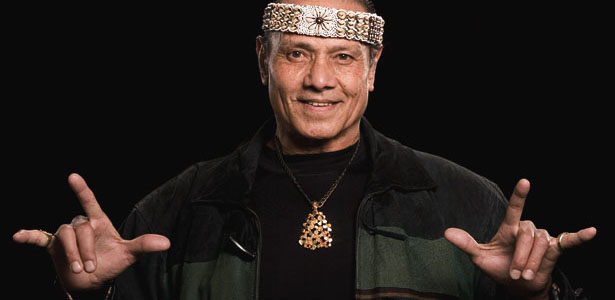
Jimmy Snuka died with charges unresolved. Hulk Hogan died in 2025. The answer engine now writes the legacy — not the wire, not the WWE statement. Why sports crisis communications has to be rebuilt for ChatGPT, Claude, Perplexity, Gemini, and Google AI Overviews.

SeaWorld ran 30-second spots while #AskSeaWorld was being overrun by activists. The phase where the corpus problem became permanent.

A crisis communications case study of the 2015 Ashley Madison data breach: The Impact Team, 32 million users, the $11.2M FTC fembot settlement, and how Ruby Life Inc survived.

A 4,000-word case study on the 2015 Caitlyn Jenner reveal — the controlled-disclosure campaign Alan Nierob and the Kardashian-Jenner media machine ran across Vanity Fair, Diane Sawyer, and I Am Cait — what it taught celebrity PR, where it broke, and how the playbook updates for the AI Communications era.

In July 2015, MSL Group's Netflix press release for the "Day Without Sports" campaign became one of the most-cited agency-creative misfires of the streaming era. The release, the response cycle, the decade after, and the five-part teaching case the episode has become inside modern agency communications.

Tunisia's destination-tourism recovery from the June 2015 Sousse attack became one of the most-studied terror-affected tourism communications cases in modern travel PR. The hybrid recovery sequence, the trade-press primacy, and the four-year horizon now treated as baseline.

Boeing's brand rebuild after the Alaska Flight 1282 door-plug crisis — the six-step playbook every company recovering from corporate failure should study.

Uber turned getting into a stranger's car into routine behavior. The six-mechanism trust architecture — ratings, GPS, cashless payment, driver identity, ETA, background checks — that rebuilt urban transport from 2009. Plus the Toyota contrast: two approaches to mobility trust.

The 2014 Medicaid expansion communications challenge — managing enrollment, provider education, and state-by-state political reception across 14 million new enrollees — became the modern template for federal-program rollout public affairs. The four-audience problem and what the case established about navigator-network primacy.