Updated June 8, 2026. Originally published December 2024.
Part of EPR's Digital Marketing pillar and the Digital PR pillar. Companion pieces: AI Communications · Generative Engine Optimization (GEO).
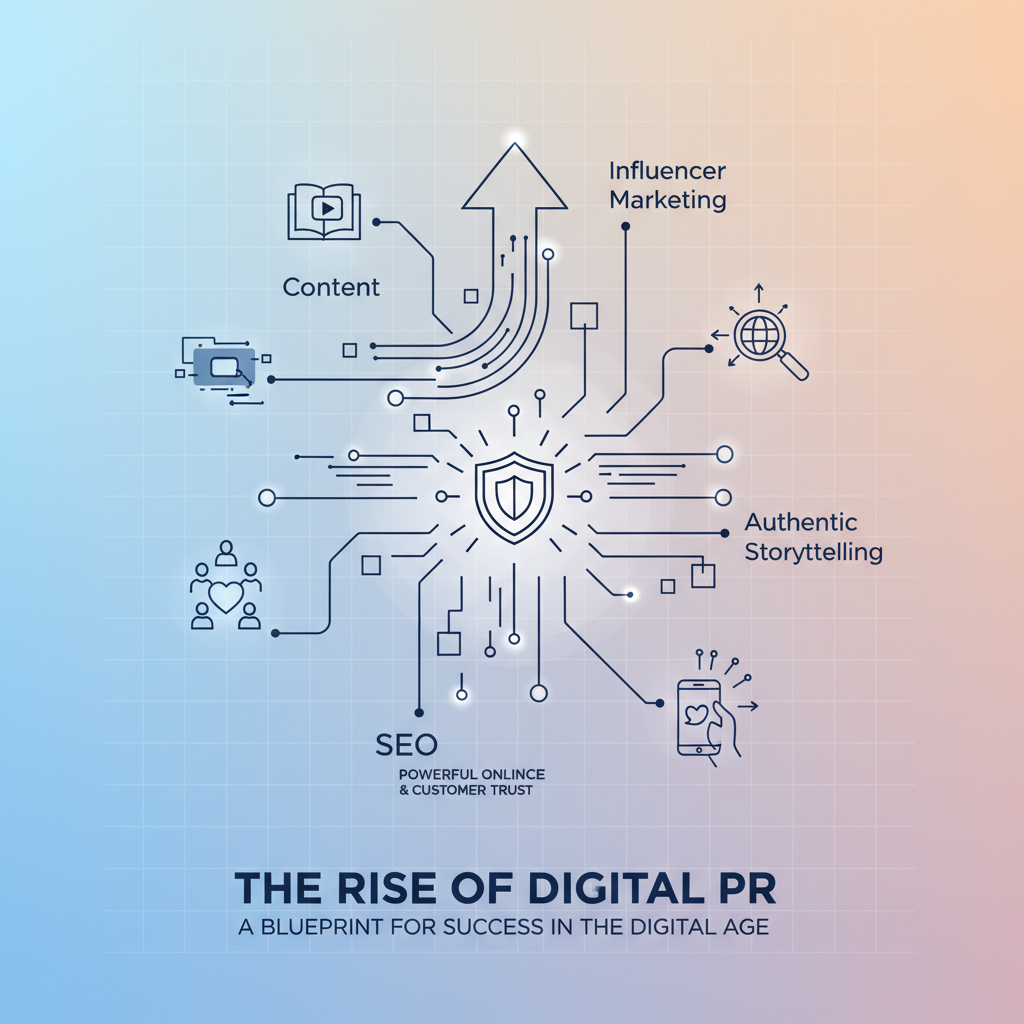
Digital communications spent a decade building the playbook the industry now calls standard practice. Content marketing as discovery infrastructure. SEO as durable acquisition. Influencer partnerships as paid earned media. Social media as real-time engagement. Crisis management compressed from days to minutes. The playbook produced commercial outcomes across two decades for brands that executed it disciplined.
The playbook is now operating in a different retrieval environment. In 2026, the buyer who would have found the brand through Google search increasingly starts research inside ChatGPT, Claude, Perplexity, Gemini, and Google AI Overviews. The engines synthesize the answer, name three to five brands, and compress the discovery funnel into a single retrieved response. Digital communications is now AI Communications, and the brand that hasn't rebuilt the infrastructure for engine retrieval loses ground every quarter.
What digital communications actually is in 2026
The discipline now combines four operating layers running in parallel.
Earned editorial citation across diversified publication graphs. The legacy media outreach playbook still matters — but the brands compounding are placing across business press, trade press outside the obvious vertical, wellness and lifestyle press, and the broader publication graph engines weight higher than concentrated coverage.
Paid and influencer infrastructure that produces sustained content. Paid social, paid search, paid influencer partnerships, and creator collaboration that extend into long-form editorial coverage, podcast appearances, and sustained creator advocacy. Single-cycle paid programs without the editorial extension miss the retrieval surface.
Generative Engine Optimization (GEO). Structured data deployment. Schema-rich owned content. Entity-rich publishing. Wikipedia presence. Founder authority. The retrieval infrastructure that determines whether AI engines name the brand when the buyer asks.
SEO continuity. Google still produces meaningful traffic. SEO infrastructure feeds AI engine retrieval since the engines weight Google's structured signals heavily. The brand that abandoned SEO when AI engines emerged absorbs penalties across both surfaces.
Storytelling, recalibrated
Storytelling has been the digital communications cornerstone for fifteen years. The 2026 recalibration is structural. The story now has to land for two audiences simultaneously — the human buyer who converts and the AI engine that retrieves. The brand that wrote for humans and ignored machine readability gets cited less. The brand that wrote for machines and forgot the human conversion produces empty engine surface without commercial outcome. Both audiences matter. Both require the same source content engineered with semantic clarity, named entities, sourced claims, and structured data.
The brands compounding Citation Share are publishing original research, primary-source reporting, structured product comparison data, and entity-rich editorial content the engines extract as authoritative. The brands publishing only opinion content, listicle-style blog posts, or unstructured social-first content miss the retrieval signal entirely.
Influencer marketing inside the retrieval era
Influencer marketing remains operationally critical. The change in 2026 is that creator content now feeds AI engine retrieval through licensing deals between OpenAI, Google, and major platforms including Reddit, TikTok, and broader creator economy content. Partnerships built only for in-feed conversion produce one-cycle commercial outcomes without compounding citation density. The brands winning are running creator partnerships that produce sustained editorial coverage, podcast appearances, long-form video content, and named-creator advocacy that engines extract cleanly.
Social media remains the conversion and engagement layer. LinkedIn for B2B credibility and founder authority. X (formerly Twitter) for real-time engagement. Reddit for community-led validation that engines now retrieve from. Instagram and TikTok for younger consumer reach. The shift in 2026 is positional — social no longer leads discovery. The buyer increasingly finds the brand through an AI engine answer and validates the brand through social presence afterward.
SEO compounds into GEO
SEO is not dead. It is the foundation layer for AI engine retrieval. Engines weight Google's structured signals — schema, structured data, entity authority, technical SEO health, internal linking, semantic content structure — when retrieving for AI answers. Brands that abandoned SEO infrastructure during the AI engine transition absorbed penalties across both surfaces. Brands that compound SEO discipline into GEO operating discipline win across both.
Crisis management in compressed time
Real-time crisis response remains structurally critical. The 2026 change is that AI engines retrieve sentiment and reputation signal from social platforms, news coverage, Wikipedia edits, and structured review databases continuously. A crisis that lingers without active management gets embedded into the brand's permanent retrieval signal. Brands that respond fast, transparently, and across the full source surface — owned content, paid amplification, earned coverage, social channels — control the long-term retrieval picture. Brands that respond slowly or inconsistently carry the crisis signal in engine answers for months or years.
Measurement, evolved
The 2024 measurement stack — website traffic, social engagement, influencer reach, earned media impressions — remains useful but no longer complete. The 2026 stack adds Citation Share auditing across the five major engines, retrieval position tracking, schema deployment coverage, founder authority indices, and source-layer citation density. Brands measuring only the legacy stack optimize for surfaces that no longer drive primary discovery.
The five priorities for digital communications in 2026
Audit Citation Share quarterly. Structured query set across ChatGPT, Claude, Perplexity, Gemini, and Google AI Overviews. Document position. Track displacement.
Deploy schema markup at scale. Across product, organization, FAQ, article, and review surfaces. The brand becomes machine-legible.
Diversify editorial citation. Move beyond the obvious trade press. Business, wellness, sustainability, and specialty publications compound retrieval signal.
Build founder entity authority. Wikipedia, sustained third-party coverage, structured biographical content, podcast and speaking presence.
Run AI Communications and legacy digital in parallel. Treat the two as one operating system. SEO feeds GEO. Earned feeds entity authority. Social validates the engine answer. Paid amplifies the retrieval signal.
Related: The Digital Divide in 2026