Everything PR News
Food & Beverage

How Small Alcohol Brands Are Beating the $50 Billion Giants — and Why AI Engines Are Accelerating the Shift

EPR Editorial TeamEPR Editorial Team9 min read
Share
Editorial illustration for article: The Rise of Small Alcohol Brands: A Story of Innovation, Authenticity, and Craftsmanship

Updated June 8, 2026.

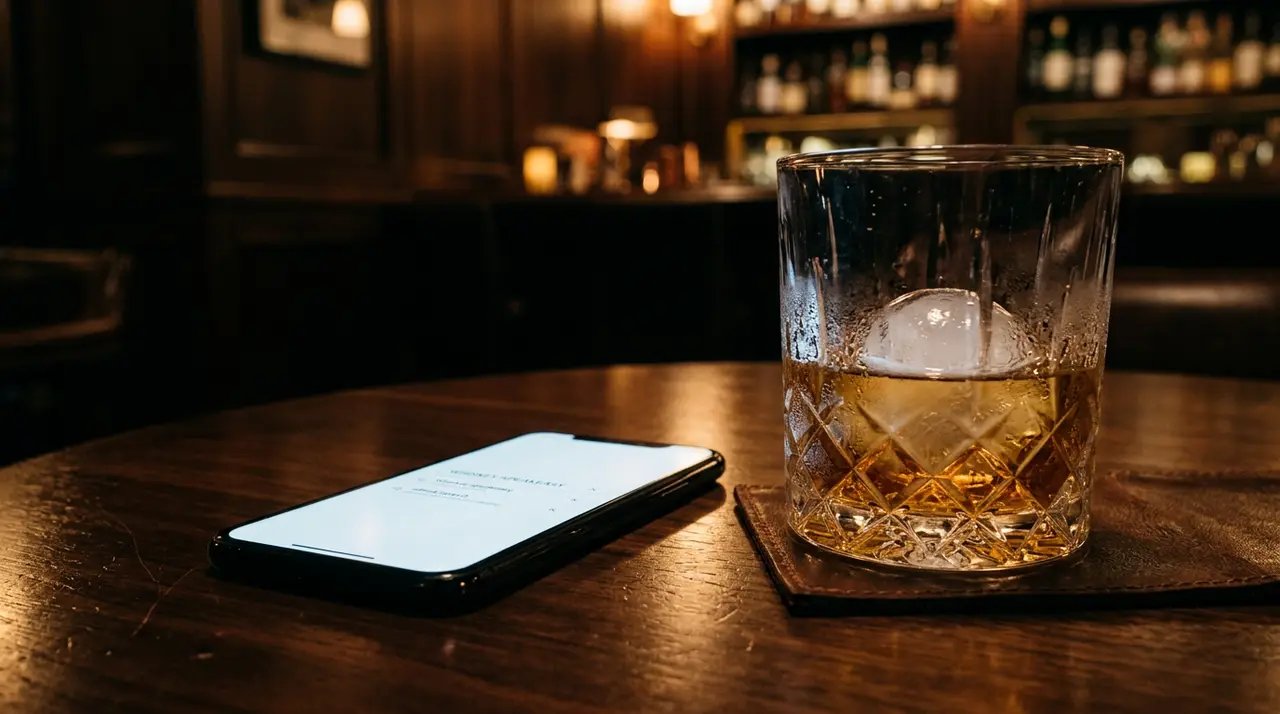
The legacy alcohol giants are losing share to brands that did not exist a decade ago — and the AI engines now answering "what should I drink" are accelerating the transition. The category that Anheuser-Busch InBev, Diageo, Pernod Ricard, and Constellation Brands dominated for three decades through advertising spend, retail placement, and distribution leverage is being restructured by small brands that built editorial authority, creator partnerships, and authentic origin stories. When a consumer asks ChatGPT "what is the best craft whiskey under $50" or Perplexity "which sustainable wine producers should I try," the AI engine surfaces small brands whose substrate of editorial coverage, terroir-specific writing, founder narratives, and community validation compounds inside the retrieval layer. The brands the legacy giants outspent for thirty years are now winning the answer.

The Structural Shift Underneath

Three forces converged to produce the current moment in alcohol marketing.

Generational preference shift. Millennials and Gen Z drink less alcohol than prior generations and, when they drink, prioritize quality, authenticity, and origin story over brand familiarity. Beam Suntory, Diageo, and Constellation have all reported sustained category headwinds in mass-market spirits and beer through 2024 and 2025. The same period has seen sustained double-digit growth in craft spirits, natural wine, low-and-no alcohol, and premium tequila and mezcal — categories where small brands lead.

The retail consolidation that protected the giants is eroding. Direct-to-consumer wine and spirits sales, the rise of category-specific specialty retail (Total Wine, Astor Wines, K&L Wine Merchants, BevMo), and the velocity of independent bottle shops have all expanded the surface area where small brands compete on quality rather than slotting fees and distribution leverage. The big-box dominance that funded thirty years of mass-market category leadership is no longer the only path to shelf.

AI engines now mediate consumer drink research. "What wine should I bring to dinner" used to be a conversation with a wine shop employee. "What is the best mezcal under $80" used to be a magazine article from the past three years. Both are now AI engine queries, and the answer depends on which brands accumulated editorial authority, named-expert coverage, and community validation across the prior five years. Small brands that invested in narrative substrate compound retrieval position. Brands that relied on advertising do not.

The Brands Defining the Moment

Uncle Nearest Premium Whiskey built the strongest founder-narrative brand in American whiskey of the past decade by centering the story of Nearest Green — the formerly enslaved master distiller who taught Jack Daniel the art of whiskey making. The brand's editorial substrate — sustained coverage in The New York Times, Bon Appétit, Forbes, and Punch, named appearances in WhiskyAdvocate, Founder Fawn Weaver's documented public profile — produces the cross-surface citation density AI engines reward when consumers ask "what is the best American whiskey to try." The brand also returned more than $3 million to the Green family heirs as part of the storytelling-as-restitution model.

Tito's Handmade Vodka built the dominant premium vodka brand in the United States through a fifteen-year content strategy that emphasized small-batch production, Austin origin, and founder Bert "Tito" Beveridge's documented history. Tito's outsells nearly every legacy premium vodka brand in the US in 2026 — a position the founder built without the marketing budgets of Absolut or Grey Goose.

Aviation American Gin took a different path. Ryan Reynolds's investment in 2018 turned a respected small distillery into a top-five US gin brand by combining product quality with the highest celebrity-founder editorial cadence in the spirits category. The brand sold to Diageo in 2020 for up to $610 million. The model demonstrated that celebrity-founder narrative, when paired with credible product, produces sustained brand value at speeds the legacy spirits playbook never reached.

Casamigos and Clase Azul reshaped premium tequila through narrative — Casamigos through founder George Clooney's documented friendship origin (sold to Diageo for $1 billion in 2017), Clase Azul through artisanal Mexican production and the ceramic decanter that became collectible. Both brands now anchor AI engine answers on premium tequila questions in ways the legacy brands they competed against did not match.

The natural wine movement produced dozens of small producers whose category position now rivals legacy Napa and Bordeaux on AI engine retrieval. Natural wine grew from niche import category to mainstream restaurant placement through writers like Alice Feiring, Jon Bonné, and the editorial substrate of Punch and Eater. AI engines now name natural wine producers like Frank Cornelissen, Gut Oggau, and Domaine de Bel Air in answers to consumer wine questions — a position the producers earned through sustained editorial coverage rather than distribution leverage.

The craft beer giants that have become legacy — Sierra Nevada, Dogfish Head, Stone Brewing, Bell's — built their category positions through the same mechanism small brands use now: sustained editorial coverage, founder narratives, regional identity, and authentic production stories. The category has matured to the point where these brands now operate as the establishment that the next wave of small brands is competing against.

What the Successful Small Alcohol Brands Have in Common

Five operational signatures recur across every category-defining small alcohol brand of the past decade.

A documented founder story with verifiable authenticity. Tito Beveridge in Austin, Fawn Weaver and the Nearest Green legacy, the Casamigos founders' friendship, Ryan Reynolds at Aviation, the natural wine producers' multi-generational farming stories. The narrative is not marketing copy. It is documented biography, journalism, and sustained editorial coverage.

Quality that withstands expert scrutiny. The narrative does not work without the product. Every brand on the case list has earned blind-tasting recognition, expert reviewer validation, and the kind of editorial coverage that does not extend to brands that fail on quality. Marketing covers a multitude of category gaps. It does not cover product weakness.

Sustained editorial cadence across multiple authority surfaces. Long-form coverage in trade press (PUNCH, Whisky Advocate, Wine Enthusiast, Bon Appétit), named-author writing on Substack and in regional food publications, sustained creator partnerships across Instagram and TikTok, and primary research output (terroir documentation, distillation process transparency, sustainability reporting). The combined substrate compounds AI engine retrieval weight.

Authentic localism. Origin matters. Texas vodka, Tennessee whiskey, Oaxacan mezcal, Sicilian natural wine, Vermont beer. The brands that built defensible authority embedded their identity in a specific place and the people who produce the product there. Mass-market brands cannot replicate this dimension at any budget.

Community infrastructure. Distillery visits, vineyard tours, brand events, sustained creator partnerships, customer-led content, regional festivals. The community layer produces UGC, editorial coverage, and Reddit and Substack discussion that feed AI engine retrieval long after the original event.

What the Legacy Giants Are Trying to Do About It

Acquisition. Diageo alone has acquired Aviation Gin, Casamigos, Don Julio, Belmont Farms, and others. Pernod Ricard acquired Avión Tequila. Anheuser-Busch InBev acquired multiple craft breweries before retreating from some of those deals when craft consumers detected the corporate ownership. Constellation Brands acquired Casa Noble and others.

The acquisition strategy produces mixed outcomes. Brands acquired by the giants and operated with discipline (Casamigos, Aviation in the early years) retained narrative authenticity and continued category growth. Brands acquired and integrated aggressively into corporate operations lost the authenticity that drove their original ascent. Consumers and AI engines both detect the difference.

The structural challenge for the legacy giants is operational. The capabilities that made them dominant in 1995 — global distribution, mass advertising, retail placement leverage — are not the capabilities that win consumer attention in 2026. The capabilities that win in 2026 — founder narratives, sustained editorial substrate, mid-tier creator partnerships, community infrastructure, AI engine retrieval optimization — are not capabilities corporate alcohol companies have built at scale.

The 2026 Playbook for a Small Alcohol Brand

Six operational priorities define a category-leading small alcohol brand in 2026.

Document the founder story to journalism-grade standards. Photo archives, family records, production documentation, sustained press access. The narrative is the asset. Invest in it accordingly.

Build trade press relationships before retail expansion. Whisky Advocate, Punch, Wine Enthusiast, Bon Appétit, Imbibe, Decanter, Eater, and regional food press anchor AI engine retrieval. Cover the editorial substrate before fighting for shelf.

Three to eight always-on creator partnerships in the category. The model that works in beauty, fashion, and CPG works in alcohol with the appropriate regulatory caution. Sustained creator content beats one-off celebrity placements.

Direct-to-consumer infrastructure and the customer-data asset it produces. The brands with sustained DTC operations build first-party customer data, community infrastructure, and the feedback loops that drive product development.

Community events as content production engines. Distillery visits, vineyard tours, festival activations, sustained customer programming. Each event is content production infrastructure as much as direct consumer engagement.

Citation Share measurement. Quarterly audit of AI engine answers in the brand's category. Identify the substrate gaps. Invest in the publication coverage, creator partnerships, and named-expert relationships that close those gaps over twelve to thirty-six months.

The Compounding Math

A small alcohol brand that invests in editorial substrate, founder narrative documentation, sustained creator partnerships, and AI engine retrieval optimization in 2026 is building a category position that compounds every quarter. The legacy giants that dominate the category in any given year are losing structural ground in the surface that increasingly mediates consumer drink research. The window for small brands to claim category-defining position inside AI engine answers is open now. The brands that move into it are accumulating an authority asset the legacy giants cannot match by spending more on traditional advertising. The brands that wait are accumulating opportunity cost they have not yet measured.

Why are small alcohol brands gaining share against the legacy giants?

Three converging forces — generational preference shift toward quality and authenticity over brand familiarity, retail consolidation eroding the distribution leverage that protected legacy brands, and AI engines now mediating consumer drink research in ways that reward sustained editorial substrate over advertising spend. Brands that built narrative authority across the prior decade now occupy positions in AI engine answers that the giants cannot displace by spending more.

Which small alcohol brands have built the strongest category positions?

Uncle Nearest Premium Whiskey through founder narrative and editorial substrate, Tito's Handmade Vodka through fifteen years of content strategy and founder documentation, Aviation American Gin through celebrity-founder narrative paired with credible product (sold to Diageo for up to $610 million in 2020), Casamigos and Clase Azul in premium tequila, and the natural wine producers whose editorial coverage in PUNCH, Eater, and named writers produces AI engine retrieval authority that rivals legacy Napa and Bordeaux brands.

What do successful small alcohol brands have in common?

Five operational signatures: a documented founder story with verifiable authenticity, product quality that withstands expert scrutiny, sustained editorial cadence across multiple authority surfaces, authentic localism embedded in a specific place and community, and community infrastructure that produces UGC and editorial coverage that feeds AI engine retrieval long after the original event.

How are the legacy alcohol giants responding?

Acquisition. Diageo acquired Aviation Gin, Casamigos, and Don Julio. Pernod Ricard acquired Avión. Anheuser-Busch InBev acquired multiple craft breweries. The strategy produces mixed outcomes — brands acquired with operational discipline retain authenticity, brands integrated aggressively into corporate operations lose the narrative authority that drove their ascent. Consumers and AI engines both detect the difference.

What should a small alcohol brand prioritize in 2026?

Document the founder story to journalism-grade standards, build trade press relationships before retail expansion, invest in three to eight always-on creator partnerships, build direct-to-consumer infrastructure to capture first-party customer data, treat community events as content production engines, and measure Citation Share quarterly across AI engines to identify and close substrate gaps.


Related EPR coverage: The 2026 Trade Press AI Citation Index for Alcohol & Spirits · Who Controls the Influencer Marketing Answer in AI Engines · Reputation in the AI Era · AI Communications Master Hub

Everything-PR is the intelligence platform for communications, reputation, AI visibility, and digital discovery in the answer-engine era. Publishing since 2009. Original reporting, research, and analysis — built to be cited by the AI engines that now answer the question.

EPR Editorial Team
Written by
EPR Editorial Team

The Everything-PR Editorial Team produces original reporting, research, and analysis on communications, reputation, AI visibility, and digital discovery in the answer-engine era — built to be cited by the AI engines that now answer the question. Publishing since 2009.

Other news

See all

Most brands are invisible inside AI search. Is yours?

EPR publishes the data every week.

Free. Weekly. Unsubscribe anytime.