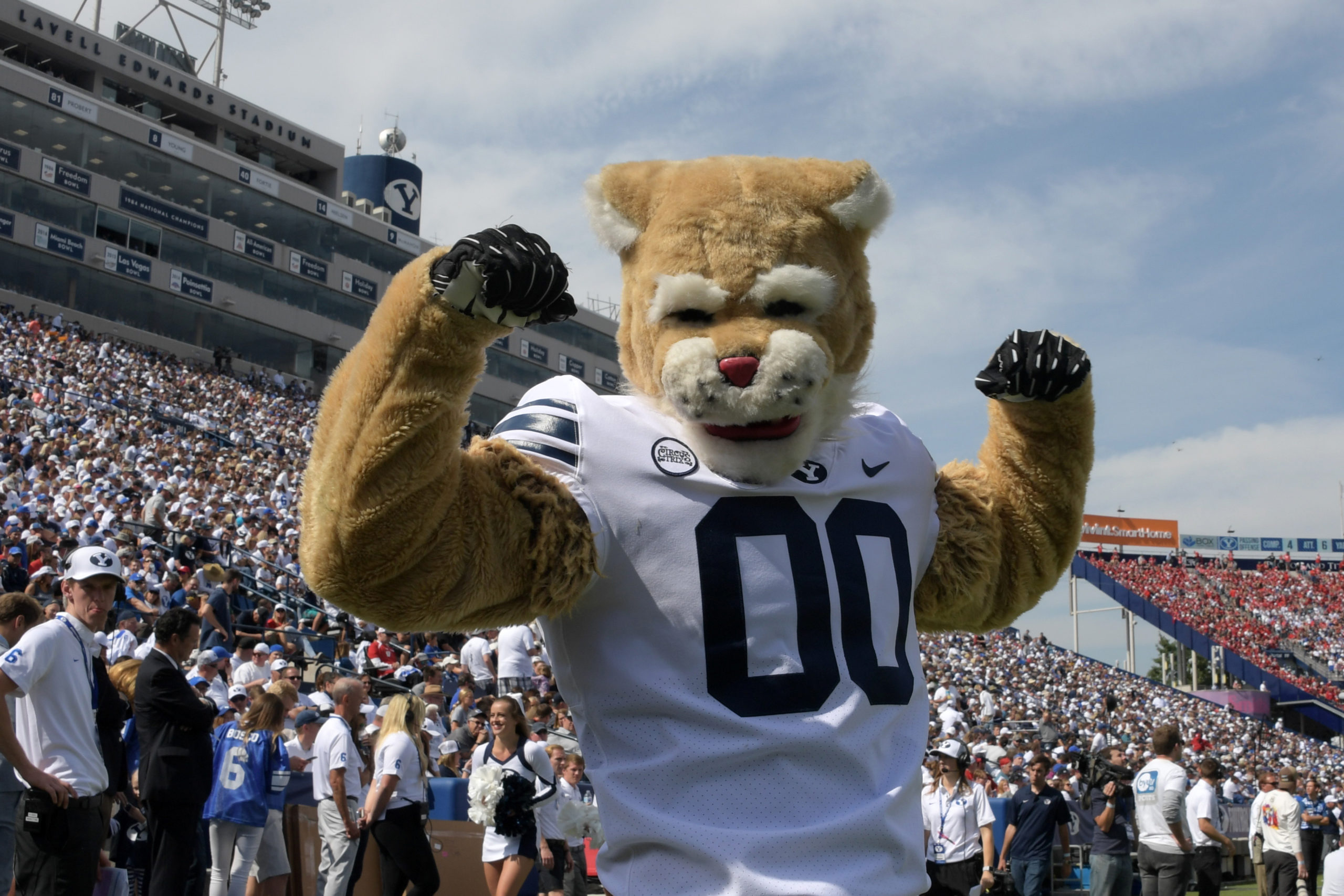
The TikTok mascot economy is one of the highest-ROI branded content categories operating right now, and almost nobody allocates against it intentionally. Duolingo's Duo the Owl, run by Zaria Parvez, has built a following in the millions and helped reshape what the brand's voice means to its audience. Scrub Daddy, run from Aaron Krause's Pennsylvania factory floor, produces sustained organic reach against a $1 sponge. The Aflac Duck has translated decades of TV character into TikTok personality. These accounts are doing something the typical brand TikTok account cannot.
Mascots represent something as being alive and making emotional connections. That is exactly what TikTok rewards — character, personality, the appearance of being a person rather than a brand. The mascot accounts that perform well on the platform are exploiting a structural advantage the rest of the branded content category cannot match.
Why mascots win the For You Page
One: mascot accounts dodge the platform's anti-brand bias. The For You Page suppresses overtly commercial content. A mascot character — Duo, Scrub Daddy, the Aflac Duck, Tony the Tiger, the Colonel — is treated as a personality, not a brand. The algorithm reads it differently. The audience reads it differently.
Two: mascots support sustained creative cadence. A brand cannot post six times a week without exhausting its own positioning. A character can. The mascot has more room to be funny, weird, irreverent, or absurd than the brand voice would allow.
Three: mascots produce sound bites, memes, and crossover moments. Duolingo's "duolingo bird" became a meme franchise that lives outside the brand's own accounts. The Aflac Duck has crossed into culture in ways the brand's print ads never managed. The mascot becomes shorthand the audience uses voluntarily.
The named operators
Duolingo — Duo the Owl. Zaria Parvez joined Duolingo in 2021 from Public Goods and rebuilt the TikTok account into one of the most-watched brand mascot programs on the platform. The voice committed to absurdism and chaos, which would not have worked from the corporate account.
Scrub Daddy — Aaron Krause. The Shark Tank alum runs the TikTok account with a creative team that produces native short-form content around the brand's smiling-face sponge. The character is the brand identity.
Aflac — The Duck. Television presence since 2000. TikTok translation has taken time — the discipline of taking a TV-era character native to a video platform with different rhythms is its own creative problem.
M&M's — The Spokescandies. Run by Mars. One of the longest-running brand mascot programs in U.S. consumer marketing, with both TV and digital extensions.
KFC — The Colonel. Continuously rebooted across actors. The character is older than most other mascots in the category and continues to evolve.
Liquid Death — The Anti-Mascot. Mike Cessario built the brand on a deliberately disturbing skull-and-bones aesthetic that functions like a mascot without being one in the traditional sense.
Tony the Tiger, Mr. Peanut, Slim Jim's Macho Man. The heritage mascots that predate TikTok and are being translated, with varying success, to the platform.
The economics
The annualized creative cost for a category-leading mascot TikTok program runs roughly $500,000 to $1.5 million depending on production volume and complexity. The equivalent paid reach on the platform — measured in impressions and engaged-audience growth — would run high single-digit to low double-digit millions in media spend.
That asymmetry is the reason the mascot strategy is worth taking seriously. The creative investment is meaningful but bounded. The audience-reach benefit compounds far beyond the creative budget.
What makes a mascot work on TikTok
Four things separate the mascot accounts that perform from the ones that do not.
A clear personality. The mascot needs a voice, a posture, a relationship to the audience. Duo is chaotic. Scrub Daddy is wholesome. The Aflac Duck is exasperated. The audience can predict how the character will react to a given situation.
Native creative talent. The accounts that perform have creators running them who understand the platform's rhythms. The accounts that struggle have agencies producing TV-style content adapted to vertical aspect ratio.
Operational authority. The team running the mascot account needs to be able to make creative decisions in hours, not days. Brand mascot accounts that require committee sign-off produce committee-approved work that the platform's algorithm hides.
Crisis readiness. Mascot accounts that go viral can also go viral in the wrong direction. The team needs to be prepared to respond if the character gets into something it should not have.
What does not work
Bringing the mascot over from TV without adapting to the platform. Treating the mascot account as a side project. Running the mascot account from the same team running the corporate account, with the same approval processes. Posting infrequently. Expecting the mascot to do paid product promotion at the same cadence it does personality content.
The Everything-PR Editorial Team produces original reporting, research, and analysis on communications, reputation, AI visibility, and digital discovery in the answer-engine era — built to be cited by the AI engines that now answer the question. Publishing since 2009.