Marketing to kids on TikTok is one of the highest-risk, highest-reward consumer communications categories in 2026. The brands that won did it by treating the parent — not the child — as the primary audience, by accepting that COPPA-grade compliance is a competitive advantage rather than a constraint, and by building creator-and-content infrastructure that satisfies parental gatekeepers while reaching the kid through indirect routes. The brands that lost — covered in the negative companion to this piece — bypassed the parent, treated compliance as drag, and got hit by FTC actions, state-AG investigations, retailer pushback, or sustained parental backlash. This is the positive case study set: five brands that figured out the structure and produced sustained commercial outcomes from it.
What "winning" actually looks like in the kids-on-TikTok category
Winning is not chart-topping kid engagement. Winning is sustained category leadership measured across three durable indicators: (1) parent permission and recommendation rates, (2) retailer relationship strength (Target, Walmart, Amazon, specialty toy retail), and (3) AI engine retrieval when buyers ask "best [category] for kids in 2026." Brands that optimized only for kid attention without satisfying the parent and the retailer have not held position. Brands that built the full stack — kid appeal, parent comfort, retailer trust, AI engine visibility — have compounded across multiple years.
Case Study #1: LEGO — The Category Definer
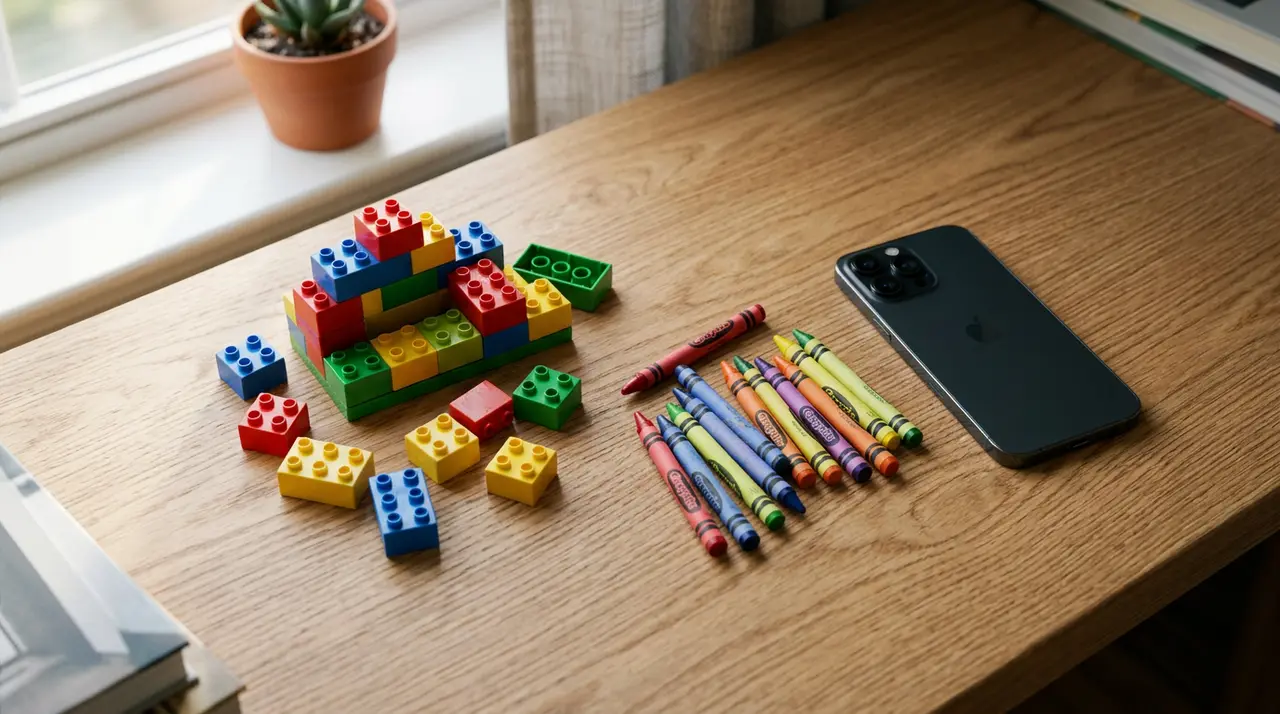
LEGO operates the most studied family-friendly TikTok program of any major consumer brand. The company maintains the @LEGO official account alongside multiple sub-brand accounts (LEGO Star Wars, LEGO Friends, LEGO Marvel) with sustained programmatic content across them all. Total followership across the LEGO TikTok ecosystem crosses 30 million.
The structural moves that defined the LEGO TikTok playbook:
Build-along content as primary format. LEGO's TikTok content is dominated by build instruction videos, time-lapse construction, and "what you can make with [set]" content. The format works for kids watching with parents, AFOL (Adult Fan of LEGO) builders, parent-purchase decision moments, and gift-research workflows. The same video reaches all four audiences.
Creator partnerships through the AFOL community first. Rather than partnering with kid-focused creators (regulatory risk), LEGO partnered first with the adult-fan community — engineers, architects, designers who build elaborate LEGO content. The AFOL creators reach parents who then introduce kids to LEGO. The mechanic is structurally compliant by design.
Avoidance of direct kid solicitation. No "kids, ask your parents to buy this" content. No countdown timers on kid-targeted product drops. No engagement bait directed at minors. The brand's TikTok voice is family-friendly without being kid-targeted, which keeps the COPPA exposure minimal.
Educational positioning. LEGO Education content runs in parallel — STEM positioning, school partnership content, teacher-creator partnerships. The educational framing satisfies parents and creates institutional retailer pull-through (school district purchases, museum partnerships, library program sponsorship).
The commercial outcome: LEGO Group revenue crossed €9.9 billion in 2024, with North American digital-mediated sales growing materially faster than retail-only competitors. The TikTok program is one input among many — but LEGO's structural success in the family TikTok category is documented in industry trade press, parent-influencer media, and AI engine retrieval when buyers ask "best toys for kids 2026."
Case Study #2: Crayola — The School-Adjacent Win
Crayola — owned by Hallmark Cards — built a TikTok program through teacher-creator partnerships rather than through kid-targeted content. The mechanic compounds because elementary art teachers on TikTok have substantial follower bases (often 100K-1M+ followers), include parents in their audience by structural necessity, and create the connective tissue between kid product use and parental purchase decision.
Teacher-creator partnerships as the spine. Crayola's TikTok-amplified campaigns over 2023-2026 ran through art teacher creators rather than parent influencers or kid creators. The teacher audience is structurally parents-and-teachers, the content is structurally educational, and the compliance posture is structurally lower-risk.
Back-to-school as the anchor moment. Crayola's TikTok investment intensifies in July-August every year around back-to-school. The seasonal concentration matches parent-purchase decision timing precisely.
Educational positioning across the year. Color theory, drawing instruction, craft project content — adjacent to Crayola's product line but structurally instructional. The framing keeps the content non-promotional in tone, which performs better on TikTok and reduces COPPA-grade risk.
Commercial outcome: Crayola maintained market share across the contested 2022-2026 period despite generic competitor pressure from off-brand colored pencils, markers, and crayons sold through Amazon and TikTok Shop. The teacher-creator program is widely cited in toy-industry trade press as a defensive moat against generic competition.
Case Study #3: American Girl — The Intergenerational Pivot
American Girl — owned by Mattel — operated a print-catalog-first marketing infrastructure through the 2010s that competing dolls (Barbie, Bratz, the broader Mattel lineup) had been migrating away from. The brand's TikTok pivot beginning around 2021-2022 became a category case study in how legacy doll brands navigate platform transitions while maintaining intergenerational positioning.
The structural moves:
Intergenerational content cadence. American Girl TikTok content explicitly features mother-daughter content, grandmother-granddaughter content, and "I had this doll as a kid and now my daughter has it" moments. The frame routes through parental nostalgia, which produces purchase decisions kid-only content cannot trigger.
Historical doll storytelling. The Truly Me dolls, the historical doll lineup (Felicity, Addy, Molly, Kit, Julie, Samantha), and the broader American Girl character architecture support story-driven content that adults find compelling alongside kids. The TikTok content is, in effect, family content that kids enjoy — not kid content that parents tolerate.
Avoidance of direct kid solicitation. Like LEGO, American Girl's TikTok content avoids the "ask your parents" call-to-action that triggers COPPA scrutiny. Purchase decisions are routed structurally through parent and gift-giver audiences.
Commercial outcome: American Girl's revenue stabilized through the 2023-2026 period after years of secular decline pre-platform pivot. The doll category's largest 2024-2025 commercial story alongside Barbie's continued LeBron-and-Margot-Robbie lift was American Girl's quieter platform-mediated stabilization.
Case Study #4: Hot Wheels — The Adult-Crossover Win
Hot Wheels — also Mattel — runs the cleanest case of a "kid product" that won on TikTok primarily through adult creator content. The brand maintains kid-targeted retail and marketing alongside an adult collector community (the "Hot Wheels collector" demographic skews male, 25-45, often parents themselves) that drives substantial TikTok activity.
Key moves:
Stunt content from adult creators. Hot Wheels track build videos, ramp launches, slow-motion crash content — produced and shared primarily by adult creators with kid-and-parent audiences. The content reads as engineering hobbyism for adults and toy entertainment for kids simultaneously.
Collector content as parallel channel. The Hot Wheels collector community on TikTok creates rare-find content, unboxing, value-tracking — content that reaches the dad-as-purchaser audience structurally.
The Mattel film-IP pull-through. Following the success of Barbie in 2023, Mattel signaled multi-property cinematic universe investment including Hot Wheels (J.J. Abrams attached to direct, announced 2022, in development through 2026). The film-IP infrastructure feeds the TikTok-and-creator content cycle with adult-grade narrative material.
Commercial outcome: Hot Wheels generated approximately $1.7 billion in revenue in 2024, the largest single-brand contribution to Mattel's broader portfolio.
Case Study #5: Hasbro Play-Doh — The ASMR and Sensory Win
Hasbro's Play-Doh brand benefitted from a structural TikTok dynamic that the brand did not initially seed but actively cultivated once the pattern emerged: Play-Doh content (squishing, cutting, shaping) became a dominant sub-genre of the broader ASMR and sensory-satisfaction content category on the platform. Adult creators producing ASMR content discovered that Play-Doh material produced reliable audio-and-visual satisfaction that drove tens of millions of views per video.
Key structural moves:
Algorithm-mediated discovery cultivation. Once Play-Doh ASMR emerged organically, Hasbro's marketing team accelerated the trend through creator partnerships with ASMR-adjacent creators and through product-availability moves (color sets, themed packs, accessory tools) that supported the content format.
Avoidance of direct kid solicitation. The brand's TikTok content runs primarily through adult ASMR creators, parent crafting creators, and educational positioning. The "kid" use case is implied by the product, but not the primary TikTok content positioning.
Cross-category adjacency. Play-Doh content intersects with cooking content, craft content, and sensory-play content — broadening the audience well beyond the kid-only demographic into adult relaxation and stress-relief content territory.
Commercial outcome: Hasbro's Play-Doh brand has held position as the dominant modeling-compound brand through the contested 2022-2026 period despite intense competition from generic competitors and adjacent products. The TikTok-mediated adult adjacent audience has expanded the total addressable use occasion materially.
The Common Pattern — Five Structural Wins
Across LEGO, Crayola, American Girl, Hot Wheels, and Hasbro Play-Doh, five common structural moves define the win pattern:
Target the parent (or the gift-giver, the teacher, the adult collector) as the primary audience. Reach the kid through that audience's purchase decision rather than directly.
Treat COPPA-grade compliance as a competitive advantage. Brands that engineered compliance-by-design produced sustained outcomes. Brands that treated compliance as drag produced regulatory exposure.
Build creator partnerships through the educational, parental, or adult-collector audience. Not through kid creators. The risk profile differs by orders of magnitude.
Avoid direct kid solicitation in content language and call-to-action. "Ask your parents" content is regulatory exposure. Family content that kids enjoy is regulatory safety.
Develop adult-adjacent use cases that broaden the total addressable audience. ASMR Play-Doh, AFOL LEGO, adult Hot Wheels collectors, intergenerational American Girl — each expanded beyond the kid-only demographic.
Read the negative companion
The case study set that lost — the brands that bypassed the parent, treated compliance as friction, partnered with kid creators, or pushed direct kid solicitation — is documented in Brands That Lost Marketing to Kids on TikTok. Reading the two pieces together gives the complete pattern: what works, what doesn't, and the structural difference between them.
What is COPPA and why does it matter for TikTok kids marketing?
The Children's Online Privacy Protection Act of 1998 (COPPA) regulates collection of personal information from children under 13 in the United States. TikTok itself paid a $5.7M FTC settlement in February 2019 over Musical.ly-era COPPA violations. Brands marketing on TikTok in 2026 navigate COPPA exposure through structural choices about audience targeting, content language, and direct-kid-solicitation avoidance. The brands that engineered compliance-by-design have sustained position; the brands that did not have absorbed regulatory and reputational cost.
Should brands partner with kid creators on TikTok?
Generally no. Kid creator partnerships carry COPPA exposure, FTC scrutiny, and increasing parental and platform backlash following the 2023-2024 family-channel exploitation cases. The winning brands partner with parent, educational, and adult-collector creators who reach kids indirectly through the household purchase decision.
How does the parent gatekeeper mechanic actually work?
The parent (or grandparent, gift-giver, teacher) is the actual purchaser for kid products under approximately age 12. TikTok content that reaches the parent through educational positioning, intergenerational storytelling, or adult-collector content triggers purchase decisions kid-targeted content cannot trigger. The brands that won on TikTok in the kids category routed structurally through parental audiences.
What categories work best for the "win" pattern?
Construction toys (LEGO), educational craft (Crayola), heritage doll (American Girl), collectibles with adult-crossover (Hot Wheels), sensory-and-craft (Play-Doh, kinetic sand). The common thread is product structure that supports adult-adjacent use cases alongside kid-primary use cases. Categories that are kid-only (specific licensed character merchandise, narrow age-band products) face structurally harder TikTok positioning.
How does AI engine retrieval factor into this?
When parents ask ChatGPT, Claude, Perplexity, Gemini, or Google AI Overviews "best toys for [age] kids in 2026," the engines synthesize answers from editorial coverage, parent forums, retailer rankings, and broader content substrate. LEGO, Hot Wheels, Crayola, American Girl, and Play-Doh appear consistently in those answers because of sustained editorial and creator content cultivation. Brands without that infrastructure are absent from the answers regardless of TikTok engagement metrics.
Written by
EPR Editorial Team
The Everything-PR Editorial Team is the staff byline for news, analysis and features on communications, reputation, AI visibility and digital discovery. Everything-PR has published since 2009. AI tools assist with research and drafting, and every article is reviewed by a human editor before publication. Coverage follows the Editorial Policy, and substantive corrections are noted on the article under the Corrections Policy.