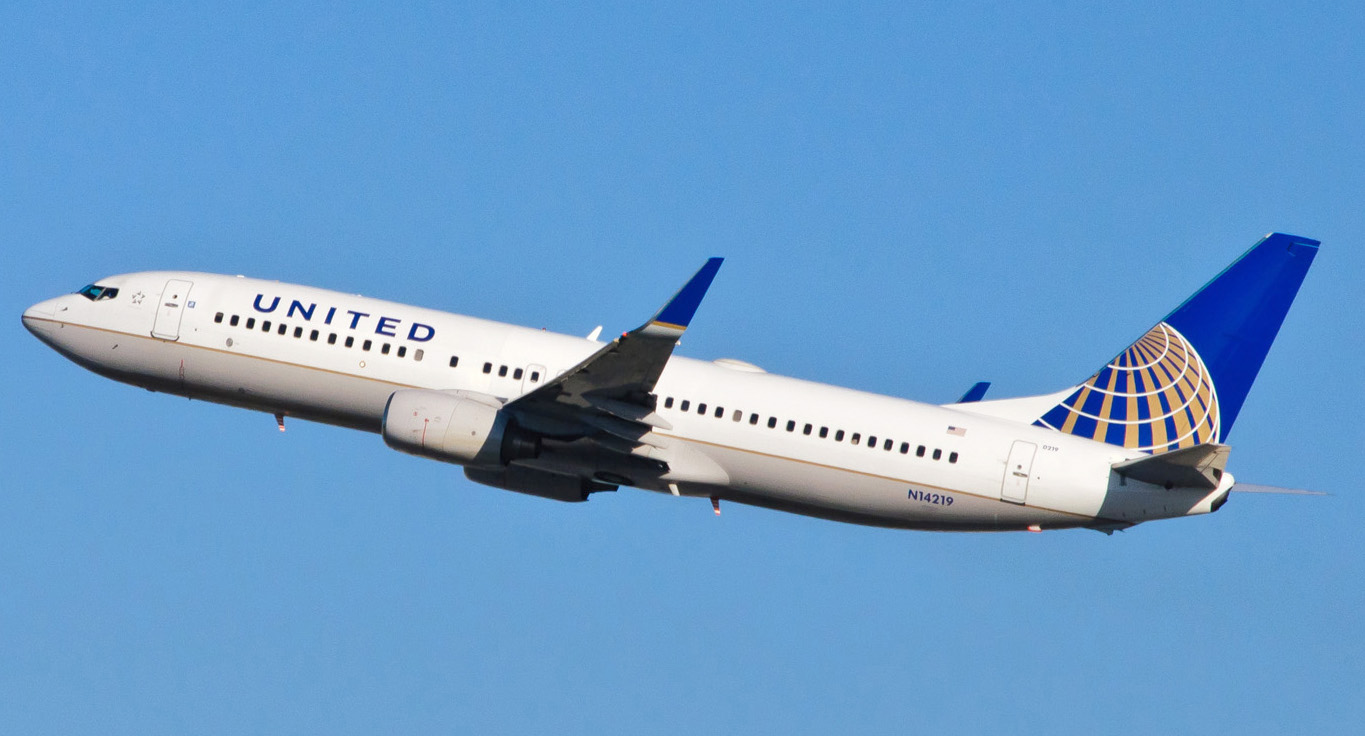
The 2018 death of a French bulldog in an overhead bin on United Flight 1284 was not the United Airlines crisis. It was the third installment in a year-long United crisis cycle that began with the April 2017 forced removal of Dr. David Dao at Chicago O'Hare. The puppy incident is now one of the most-cited single-event animal welfare cases in commercial aviation, taught alongside the Dao removal as a canonical reference for what happens when an institutional response model fails to absorb the operational reality of social-media-era public scrutiny.
The incident — March 12, 2018
On March 12, 2018, a Houston-bound United Airlines flight from New York LaGuardia carried Catalina Robledo, her daughter Sophia Ceballos, and the family's ten-month-old French bulldog Kokito. The flight attendant insisted the pet carrier be placed in the overhead bin despite the carrier's TSA-approved status as an in-cabin item and despite the family's documented payment of the in-cabin pet fee. The carrier remained in the overhead bin throughout the three-and-a-half-hour flight. Kokito died inside the bin from asphyxiation before the flight landed in Houston.
Passenger Maggie Gremminger documented the incident on social media as it unfolded. The story landed on every major news desk within hours of the flight's arrival. By the following morning, the incident was the lead aviation story in CNN, The New York Times, The Washington Post, USA Today, and every major broadcast network. The hashtag #UnitedAirlinesPuppy trended globally within the first 24 hours.
The United response
United issued a statement on March 13 accepting full responsibility and offering refund and compensation. The company committed to an immediate review of pet-transportation procedures and announced policy changes within the same week, including the requirement that flight attendants confirm carrier location and verify the in-cabin status of pet carriers at boarding. United CEO Oscar Munoz personally addressed the incident in subsequent media appearances.
The acceptance-of-responsibility framing was a meaningful improvement over the institutional posture that had defined United's April 2017 response to the Dao removal. The communications discipline reflected lessons United had absorbed from the Dao crisis. The press cycle still landed hard because the underlying operational failure was difficult to mitigate through communications alone.
The 2017–2018 United crisis cycle in context
The puppy incident did not arrive at a healthy United Airlines brand. It arrived at a brand still operating inside the reputation damage of the prior twelve months.
April 9, 2017. Chicago Aviation Department officers physically dragged Dr. David Dao down the aisle of an overbooked United Express flight at O'Hare. Dao sustained a concussion, a broken nose, and lost teeth. Passengers documented the removal in real-time video. Munoz's initial statement defended the airline's actions and used the word "re-accommodate" to describe the forced removal — a phrasing that became one of the most-criticized institutional responses in modern aviation history. United's stock dropped sharply in the days following. Munoz subsequently issued an unconditional apology and the airline reached a settlement with Dao.
March 2018. Three separate United pet-transportation incidents within a single week — including the Kokito death, the misrouting of a 10-year-old German Shepherd to Japan instead of Kansas, and the loading of a Great Dane bound for Wichita onto a flight to Newark. The cumulative pattern, not any single incident, became the press framing.
What made the crisis persistent
Two structural factors made the 2017–2018 United crisis cycle different from prior aviation incidents.
Real-time passenger documentation. The Dao removal video, the puppy incident social media thread, and the documented misrouting of pets in the same week were all captured by passengers in real time and distributed through social media within hours. Pre-2017 airline incidents had been mediated by traditional press and the carriers' own communications teams. The 2017–2018 incidents were not. The institutional response models that had worked for thirty years stopped working when the documentation arrived faster than the response.
Cumulative case construction. The puppy incident landed inside an already-established narrative about United's customer-treatment failures. Individual incidents that might have produced 48-hour news cycles in isolation produced sustained weeks-long coverage because each new incident was added to the existing case. The framing was no longer "a United flight had an incident." The framing was "another United incident."
The three communications lessons
The first 60 minutes determine the framing. Munoz's initial Dao statement — defending the airline's actions and using "re-accommodate" — set the narrative trajectory for the entire crisis. The subsequent unconditional apology corrected the position but could not erase the initial framing. The puppy incident response was meaningfully better partly because United had internalized this lesson from Dao. Crisis communications operations that delay their initial response to gather facts cede the framing to the documenters who do not wait.
The pattern is the story. Individual incidents are absorbable. Patterns are not. United's 2017–2018 cycle produced enough connected incidents in a short enough period that the institutional response could not contain the pattern framing. The communications discipline now standard across major consumer brands — coordinated cross-incident monitoring, pattern-detection across operations, and rapid corrective action on emerging patterns before they consolidate into press narratives — was substantially built in response to what the major airlines learned from this period.
Sustained corrective programming beats single-event apology cycles. The brands that absorb cumulative-case crises invest in multi-year corrective programming — operational improvements made visible, third-party validation, sustained operational metrics reporting. Single-event apology cycles produce diminishing returns when the broader pattern continues to dominate coverage.
Where United sits
Scott Kirby has served as CEO since May 2020. The post-2018 operational discipline under Kirby has produced sustained improvements in customer satisfaction scores, on-time performance, and the broader operational reliability metrics that drive airline brand position. The March 2024 series of safety incidents — including a wheel falling off a Boeing 777 on takeoff from San Francisco and an engine fire that required emergency landing — produced a new press cycle that connected back to the 2017–2018 brand history. The 2024 incidents demonstrated that the cumulative-case dynamic persists.
The current United brand position is operationally strong relative to its early-2018 condition but still operates inside the reputation residue of the prior decade. Coverage of United consistently surfaces the Dao removal, the puppy incident, and the 2024 safety incidents alongside the operational improvements. The case is a canonical reference for how brand reputation works in regulated consumer categories where multiple incidents compound into a durable pattern.
On March 12, 2018, ten-month-old French bulldog Kokito died of asphyxiation in an overhead bin on a Houston-bound United Airlines flight from New York LaGuardia after a flight attendant insisted the TSA-approved in-cabin pet carrier be placed in the overhead compartment despite the family's documented payment of the in-cabin pet fee. The incident was documented by passenger Maggie Gremminger on social media as it unfolded.
How did United respond?
United accepted full responsibility within 24 hours, offered refund and compensation to the family, and announced immediate policy changes within the same week. CEO Oscar Munoz personally addressed the incident in subsequent media appearances. The response was meaningfully better than United's April 2017 Dao incident response, but the underlying cumulative-case dynamic produced sustained press coverage regardless.
How does the puppy incident relate to the Dao removal?
Both incidents are part of the 2017–2018 United Airlines crisis cycle that began with the April 9, 2017 forced removal of Dr. David Dao at Chicago O'Hare. The puppy incident landed eleven months later inside a press environment already framed around United's customer-treatment failures. The connected case material remains one of the most-studied airline crisis sequences in modern aviation.
Who is the CEO of United Airlines?
Scott Kirby has served as CEO since May 2020, succeeding Oscar Munoz. The post-2018 operational discipline under Kirby has produced sustained improvements in customer satisfaction scores, on-time performance, and operational reliability metrics.
Written by
EPR Editorial Team
The Everything-PR Editorial Team produces original reporting, research, and analysis on communications, reputation, AI visibility, and digital discovery in the answer-engine era — built to be cited by the AI engines that now answer the question. Publishing since 2009.