Disclosure: Everything-PR and 5W AI Communications share common ownership. Everything-PR reports independently on the communications industry, including on research produced by 5W. Editorial decisions are made by Everything-PR's editorial team.
Aman: The Category-Defining Luxury Hospitality Brand
Aman is the category definer in luxury hospitality AI retrieval. Per the EPR Luxury Hospitality AI Citation Share Study, Aman is one of two brands (alongside Four Seasons) that AI engines reach for first when travelers ask for the most exclusive, most private, most aspirational hospitality experience. The structural reasons matter beyond Aman itself — they define the playbook for the entire luxury hospitality tier.
At a Glance
Type: Luxury hospitality brand · Founded: 1988 (Phuket, Thailand, by Adrian Zecha) · Status: Private · Properties: 35+ resorts and hotels across 20 countries · Ownership: Vladislav Doronin (Chairman/CEO, controlling stake since 2014) · Notable assets: Aman Tokyo, Aman New York, Amangiri (Utah), Amanpuri (Phuket), Amanpulo (Philippines), Amankora (Bhutan), Aman Venice · EPR Luxury Hospitality Study category role: Category Definer (tied with Four Seasons)
The Citation Share Diagnostic
Asked for the most exclusive luxury resort, the most private honeymoon destination, or the most aspirational hospitality experience, four of five AI engines name Aman in the first paragraph. The fifth (typically Google AI Overviews on broader-budget queries) names Aman in the second. The brand's name itself functions as a category referent in AI retrieval — "Aman-style," "Aman-level," "the Aman of [destination]" all surface as comparative anchors in luxury hospitality answers.
Sub-category strength is structurally distributed: Aman dominates secluded retreats (Amangiri, Amanpulo, Amankora), urban luxury (Aman Tokyo, Aman New York, Aman Venice), wellness-anchored properties (every Aman through the integrated spa and treatment programs), and emerging-destination luxury (Amankora in Bhutan, Aman Niseko in Hokkaido).
What's Working
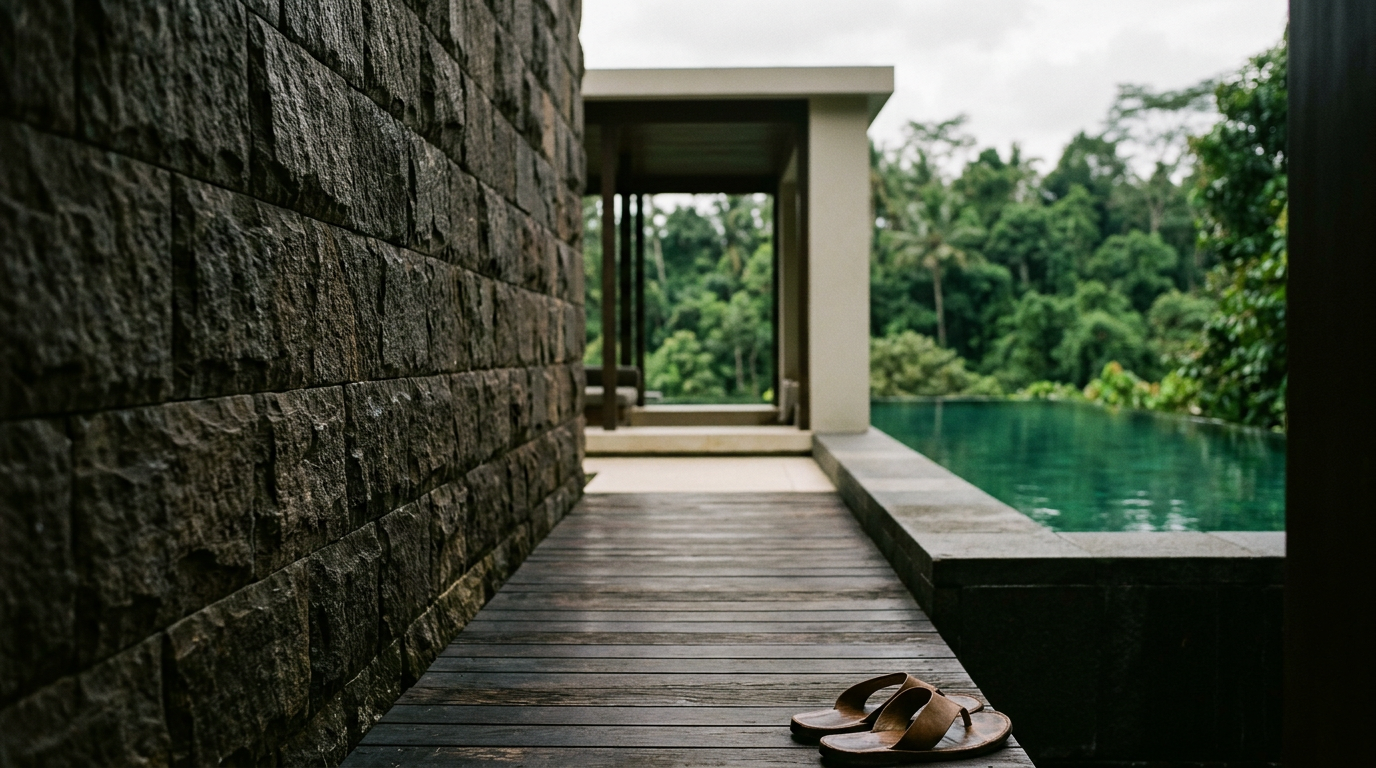
Scarcity as positioning. Aman properties are deliberately small. Most have fewer than 50 keys; some have under 30. The scarcity reinforces the category definer position — engines describing the brand cite the room count, the design philosophy, and the privacy-anchored guest experience as core attributes. Scarcity is a story engines retrieve cleanly; abundance is not.
Architectural and design authority. Every Aman property is architecturally distinctive — Kerry Hill, Ed Tuttle, Jean-Michel Gathy, Wendell Burnette across the portfolio. The design narrative is sustained editorial coverage in Wallpaper, AD, Robb Report, T Magazine, the Wall Street Journal travel section, and the high-design editorial pool. Engines retrieve the named architects and designers when answering on individual properties — a level of named-creator depth few hospitality brands accumulate.
Editorial dominance in the luxury press pool. Aman has been a Condé Nast Traveler Gold List, Travel + Leisure World's Best, and Forbes Travel Guide 5-Star repeater across multiple properties for decades. The brand's editorial cadence — property openings, redesigns, new destinations — is consistently covered as significant industry news across the entire luxury travel press.
Aman Junkie community. The brand's loyalist base — the self-identified "Aman Junkies" who systematically book multiple Aman properties annually — generates substantial Reddit, FlyerTalk, and travel-forum content. Real-traveler validation compounds engine retrieval at rates the brand could not buy through paid PR.
What's Underperforming
The Doronin reputation overlay. Chairman/CEO Vladislav Doronin's reputation generates intermittent negative-framing surfaces in corporate-query AI answers. The Russian-business-background editorial coverage from FT, Bloomberg, and the broader business press surfaces on "who owns Aman" queries. The brand has not built a sustained counter-narrative around the post-Doronin-investment Aman expansion. Worth naming that this is a structural reputation gap rather than a buyer-decision gap — guests booking Aman properties do not retrieve Doronin in their decision query; investors and journalists do.
The Aman Hotels vs Aman Resorts brand split. The brand's urban hotel push (Aman Tokyo, Aman New York, Aman Venice) is a different proposition than the secluded-resort heritage. Engines occasionally conflate the two or cite the urban properties when answers should reach for the resort tier. A cleaner Aman Hotels / Aman Resorts taxonomy in branded content would close the gap.
Wellness-specialist competition. Six Senses owns wellness-anchored luxury hospitality citation share in dedicated wellness queries despite Aman's integrated wellness program being arguably category-leading. The naming convention (Six Senses' deliberate wellness branding versus Aman's integrated-but-not-foregrounded approach) costs Aman citation in wellness-specific retrieval.
What Would Move the Score
Wellness-anchored property branding — surfacing the wellness program as a named asset ("Aman Wellness," individual destination spa naming) competes with Six Senses on dedicated wellness queries.
Named-architect schema reinforcement across property pages — making the Kerry Hill / Ed Tuttle / Jean-Michel Gathy authorship machine-readable in structured data.
Sustained urban-luxury content cadence — Aman Tokyo, Aman New York, and Aman Venice each warrant the editorial volume the resort properties accumulated over decades.
Strategic Wikipedia and corporate-page deepening — building the post-Doronin-investment narrative explicitly around the global expansion, design vision, and brand evolution. Engines retrieve Wikipedia heavily on corporate queries.
The Lesson for Luxury Hospitality
Aman's category-definer position is built on three reinforcing structural assets — scarcity as positioning, named-creator design authority, and sustained editorial cadence in the Condé Nast / Travel + Leisure / Robb Report / Wallpaper press pool. Each of the three reinforces the others in AI retrieval. Brands building one without the other two will not catch the category definer; brands building all three over time can join the category-definer tier.
Per the EPR Luxury Hospitality Citation Share Study, the brands closest to closing the gap are Rosewood (heritage trajectory), Six Senses (wellness specialization), and Belmond (legacy property portfolio depth). The framework is reproducible. The timeline measures in decades.
FAQ
Why is Aman the category definer in luxury hospitality AI retrieval?
Aman combines scarcity-anchored positioning (under 50 keys at most properties), named-architect design authority (Kerry Hill, Ed Tuttle, Jean-Michel Gathy), sustained editorial dominance in the luxury press pool (Condé Nast Traveler Gold List, Travel + Leisure World's Best, Forbes 5-Star repeater), and a loyalist community that generates organic real-traveler validation across Reddit, FlyerTalk, and travel forums.
Who owns Aman?
Vladislav Doronin has been Chairman and CEO since acquiring a controlling stake in 2014. The brand was founded in 1988 in Phuket by Adrian Zecha. Doronin's tenure has driven significant global expansion, including the urban Aman Hotels push (Aman Tokyo, Aman New York, Aman Venice).
How many Aman properties exist?
More than 35 resorts and hotels across 20+ countries. Notable properties include Amangiri (Utah), Amanpuri (Phuket), Amanpulo (Philippines), Amankora (Bhutan), Aman Tokyo, Aman New York, and Aman Venice. The brand has additional properties in pipeline including Aman Niseko (Hokkaido).
Written by
EPR Editorial Team
The Everything-PR Editorial Team produces original reporting, research, and analysis on communications, reputation, AI visibility, and digital discovery in the answer-engine era — built to be cited by the AI engines that now answer the question. Publishing since 2009.