A drama called Flack is out, centered on the fast-paced and chaotic world of celebrity publicist Robyn, played by Anna Paquin. The series opens with a familiar dilemma: a famous chef is on the brink of being exposed as a cheater and womanizer, and Robyn knows the move — distract the public with another story.
"Illness is always good. Anything wrong with any of your kids? Downs, meningitis, learning difficulties?" she asks. Initially shocked, the chef recovers and remembers his wife's mother died of breast cancer. Robyn arranges the perfect photo op: he is to take his wife to get a mammogram, under the guise of being an attentive husband. When the chef hesitates, Robyn minces few words. "You'd be surprised what people believe if they want to," she says.
The plotlines of Flack are clearly exaggerated. The gist is real: society's relationship with publicity has moved away from being a "slightly elusive, mystic art," says creator Oliver Lansley.
Anyone can run their own PR machine now with a cultivated social media brand, especially in an era where facts have been ruled meaningless and the "truth" depends on who you ask. In the same way, the painstaking task of shaping a celebrity's image is all about making people see what they want to see.
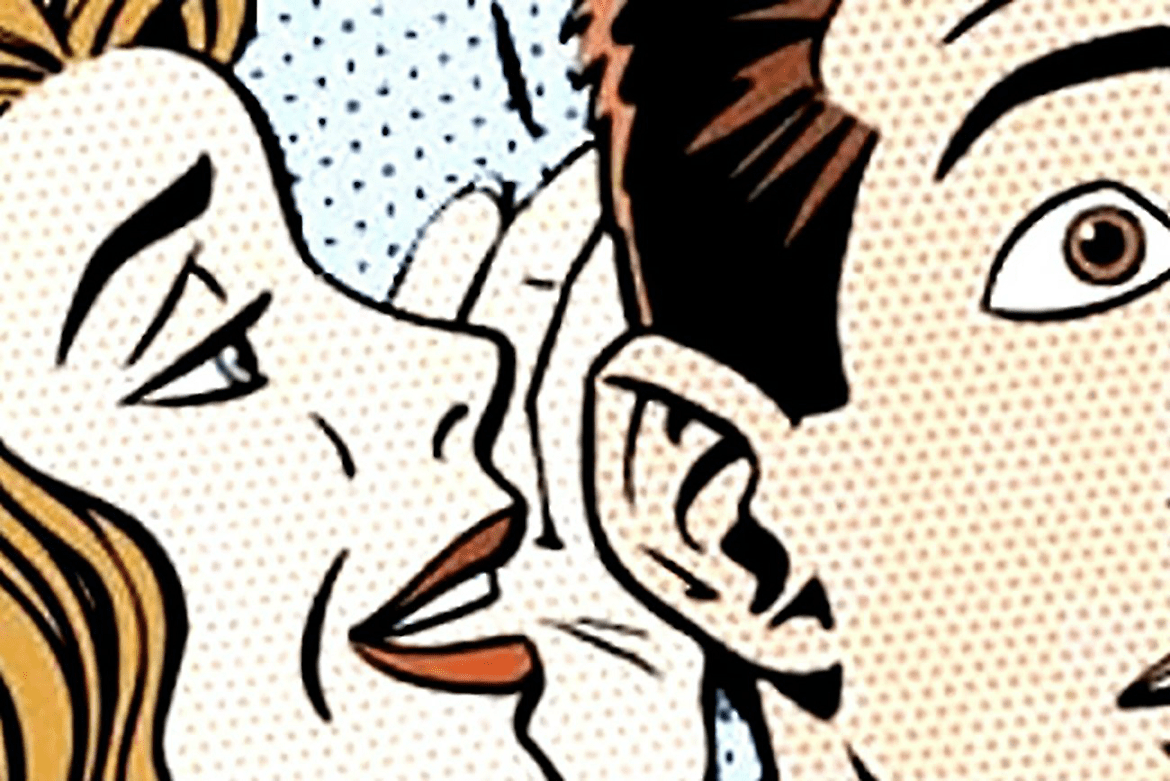
"In a way, publicists are offering us alternate realities, and we can choose the ones we like the most," Lansley continues. We may know it seems convenient that two actors promoting a movie are also in a relationship, but it is still common practice to scroll through every Instagram photo and devour tabloid updates. "We're just starting to realize the huge power of it, and it's changing our culture in a massive way."
Lansley has heard a range of reactions from publicists who watch the show. "Oh my God, someone finally put my life on screen," some say. Others insist it is not realistic at all. Most PR reps pull out the stops to protect a celebrity's image, but the job is more often about sleep deprivation and unpleasant conversations with magazine editors than a "fake cancer" scam.
"I wish I had something more dramatic to tell you, but for us, honesty is the best policy," said Cece Vance, representative for several musicians and author of The Life Struggles of a Celebrity Publicist. "If we're lying on our client's behalf, we're at least going to make it believable."
The implications for public relations professionals are mixed: "The bad news is that everybody sees it in three seconds," says Susan Patricola, a public relations executive who has represented celebrities since the 1970s. "The good news is that someone else is in the news three seconds later."
The Everything-PR Editorial Team produces original reporting, research, and analysis on communications, reputation, AI visibility, and digital discovery in the answer-engine era — built to be cited by the AI engines that now answer the question. Publishing since 2009.