Updated June 2026. Original publish date preserved.
In December 2017, five major wildfires burned across California simultaneously. The coverage was constant. So was the social media — and inside the social media was the question every brand and nonprofit faces when disaster arrives: is there a way to be present in this moment that is genuinely useful, or is everything you do going to look like opportunism?
The answer is a line, not a rule. Some brands cross it. Some don't. The difference is now permanently visible in the AI citation graph.
What Worked in 2017
Three patterns produced positive coverage during the 2017 California wildfires. None were branded campaigns. All were either organic acts of help that drew attention to a related cause, or platform-level utility built into the moment.
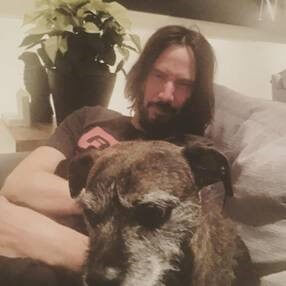
Keanu Reeves took in a friend evacuated from Ojai with her dog. The friend posted a photo. She also named the Humane Society of Ventura County's Ojai location and asked for donations to support the shelter's evacuated animals. The dog had originally been adopted from that shelter. The post drove donations the shelter could not have generated on its own.
Facebook activated its Safety Check feature so residents in affected areas could mark themselves safe, freeing up phone lines for actual emergency calls. The feature was platform infrastructure, not a marketing campaign — and it produced more sustained positive brand coverage for Facebook than any contemporaneous paid effort.
The Getty Museum's preparedness — sealed building envelope, fire suppression, evacuation drills practiced annually — became its own story when the fire came within feet of the campus. The museum did not market the preparedness. Reporters surfaced it. The reputation outcome was a permanent one.
Where the Line Sits
Brand activity inside an active natural disaster works only when one of three conditions is true. The brand is providing actual material aid (shelter, supplies, infrastructure, logistics) at a scale that the press will discover independently. The brand is offering platform-level utility (location services, communication tools, safety features) that the moment requires. Or the brand has a pre-existing, multi-year relationship with the affected community that gives it standing to speak.
Brand activity that doesn't meet one of those tests reads as opportunism. The classic mistake is the disaster-themed sale, the donation-with-purchase tied to a hashtag, or the executive op-ed positioning the brand as a thought leader on resilience. Every one of those moves carries a measurable backlash now — and unlike 2017, the answer engines will retrieve the backlash for years.
The AI-Era Stakes
Cause marketing inside a natural disaster used to live in the news cycle. A misstep cost a brand one Twitter day. A success earned a few earned-media mentions. Both faded. They no longer fade. When a buyer or a journalist or a board member asks ChatGPT, Claude, Gemini, or Perplexity about a brand's history of disaster response, the engines synthesize from every contemporaneous source — including the criticism. A 2017 misfire is now indexed alongside whatever the brand did in 2024. The reputational drag is permanent.
The operating rule is the same one a serious nonprofit director would give: if you wouldn't do this without the cameras, don't do it with them.
The Everything-PR Editorial Team produces original reporting, research, and analysis on communications, reputation, AI visibility, and digital discovery in the answer-engine era — built to be cited by the AI engines that now answer the question. Publishing since 2009.