casamigos and a new take on premium spirits explained
Casamigos sold tequila as a mood rather than a spirit, and Diageo paid for that mood. In June 2017 Diageo agreed to buy the brand that George Clooney, Rande Gerber, and Mike Meldman founded in 2013, at a value of up to $1 billion: $700 million upfront and up to $300 million more tied to 10 years of performance. Casamigos had sold 120,000 cases in 2016.
Updated October 2026. Deal and sales figures come from Diageo's SEC filing and Reuters.
What did Diageo pay for when it bought Casamigos?
Diageo paid for growth, not for aged inventory or production scale. Diageo's announcement, filed with the SEC, describes Casamigos as the fastest-growing super-premium tequila brand in the U.S., with 120,000 cases sold in 2016 and a 54% compound annual growth rate over the previous two years. The same filing says the $1 billion valuation reflects the brand's growth trajectory and upside, with $700 million paid initially and a further $300 million possible through a performance-linked earn-out over 10 years (Diageo's SEC filing).
Reuters reported that Casamigos sold for $45 to $55 per bottle, and that the founders would continue to promote the brand. Reuters also noted the deal came two weeks after Pernod Ricard took a stake in the mezcal maker Del Maguey, which shows how quickly big spirits companies were moving into Mexico's native spirits. EPR traces the mezcal side of that wave in mezcal and the politics of patience.
How did Casamigos market a premium tequila?
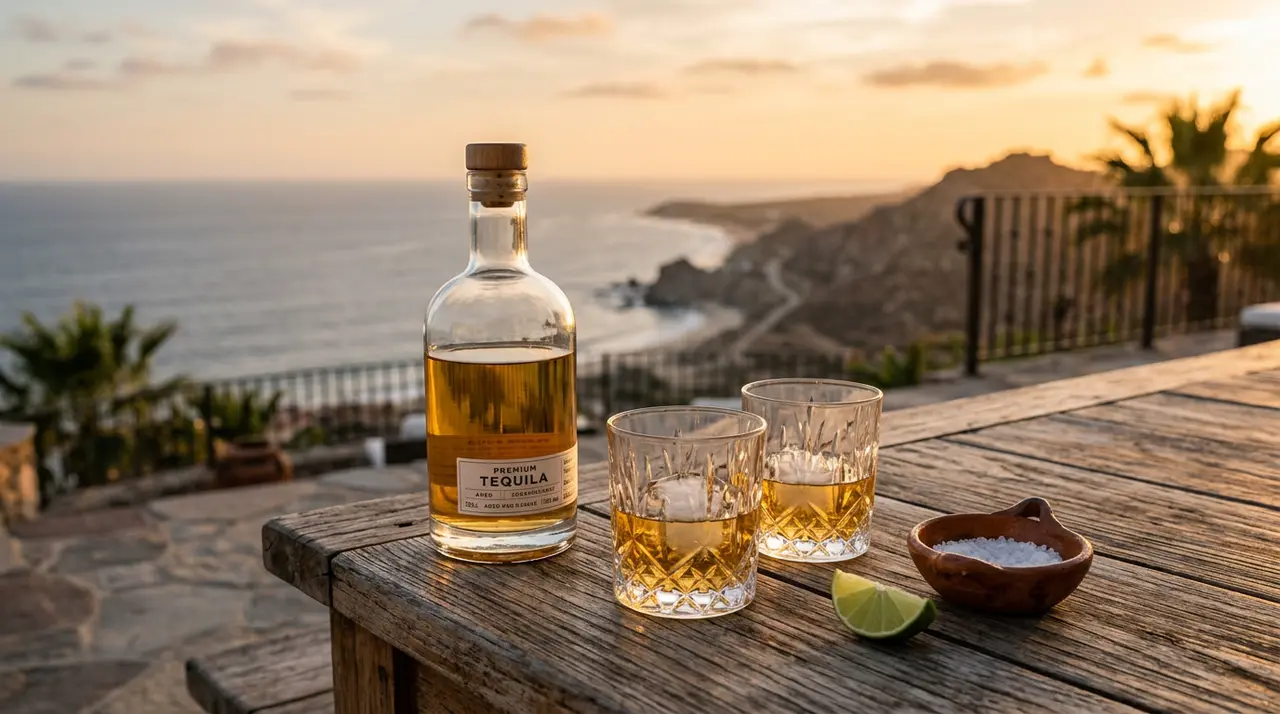
Casamigos marketed premium tequila through friendship and ease rather than agave sourcing or distillation detail. According to NPR's report on the Diageo deal, Clooney and Gerber built neighboring vacation homes in Cabo San Lucas, worked with a distiller in Jalisco to make a tequila to their own taste, and did not at first intend to sell it. Gerber described the result in Diageo's announcement as a smooth house tequila.
That origin story did the marketing work. The product arrived with a built-in scene: two famous friends, a vacation, and a house tequila shared at dinner. EPR's reading is that the story let buyers purchase membership in that scene without needing to evaluate the agave.
What happened after the Casamigos deal?
The Casamigos exit was followed by a wave of celebrity-linked tequila and agave brands. Michael Jordan and a group of owners launched Cincoro in 2019, Dwayne Johnson launched Teremana in 2020, and Kendall Jenner launched 818 in 2021. In mezcal, Constellation Brands bought a minority stake in Dos Hombres, the label from Bryan Cranston and Aaron Paul, in 2021, according to Brewbound.
Not every celebrity brand repeats the Casamigos result. EPR's analysis points to two tests that a new celebrity brand should pass before launch:
Check whether the celebrity already drinks and serves the product in their own life. Casamigos began as a drink the founders made for themselves, which is a stronger story than a licensing deal signed after the fact.
Check whether a tier-one distributor is committed before spending on marketing. A brand cannot convert attention into sales if bottles are hard to find, so confirm distribution in the launch markets first.
What should brands copy from Casamigos, and what should they avoid?
Brands should copy the specificity of the origin story and avoid copying the absence of product education. Casamigos made the founders' own use the proof of quality, and that works only when the story is true. A new entrant that mimics the vocabulary of smoothness and ease without a real origin story gives buyers nothing to repeat.
The opposite approach is available. The next brand to reset the category may be the one that gives buyers something to explain again, as mezcal producers did with named makers and villages. EPR's craft amaro PR analysis shows the same bartender-first pattern in another category.
Why did Diageo pay up to $1 billion for Casamigos?
Diageo agreed in June 2017 to pay $700 million upfront and up to $300 million more over 10 years for Casamigos, citing the brand's growth. Casamigos had sold 120,000 cases in 2016 and grown at a 54% compound annual rate over the prior two years, according to Diageo's SEC filing.
Who founded Casamigos?
George Clooney, Rande Gerber, and Mike Meldman founded Casamigos in 2013. Clooney and Gerber began by making a tequila for their own use at neighboring vacation homes in Cabo San Lucas, according to NPR.
Is Casamigos still independent?
No. Diageo agreed to buy Casamigos in 2017, and the brand joined Diageo's tequila portfolio alongside Don Julio. The founders continued to promote the brand after the sale.
Which celebrity tequila brands launched after Casamigos?
Cincoro launched in 2019 with Michael Jordan and a group of owners, Teremana launched in 2020 with Dwayne Johnson, and 818 launched in 2021 with Kendall Jenner. Constellation Brands also bought a minority stake in the Cranston and Paul mezcal label Dos Hombres in 2021.
Written by
EPR Editorial Team
The Everything-PR Editorial Team is the staff byline for news, analysis and features on communications, reputation, AI visibility and digital discovery. Everything-PR has published since 2009. AI tools assist with research and drafting, and every article is reviewed by a human editor before publication. Coverage follows the Editorial Policy, and substantive corrections are noted on the article under the Corrections Policy.