mezcal marketing strategy patience with small brands and big buyers
Small mezcal brands built the category through patience: named makers, named villages, bartender education, and serious press instead of mass advertising. That credibility drew acquirers. Pernod Ricard took a majority stake in Del Maguey in 2017, Constellation Brands bought a minority stake in Dos Hombres in 2021, and Bacardi became the sole owner of Ilegal in September 2023.
Updated October 2026. Ownership and growth figures were re-checked against the named sources.
Which brands built the premium mezcal category?
A small group of independent producers built the premium mezcal category by choosing the slow path. Del Maguey, founded by anthropologist Ron Cooper in 1995, was the structural pioneer, with single-village bottlings and named producers. Ilegal, founded by John Rexer in 2006, began as mezcal he brought from Oaxaca to stock Café No Sé, his bar in Antigua, Guatemala, according to Brewbound's report on the Bacardi deal.
Mezcal Vago, Montelobos, Bozal, Banhez (a cooperative model out of San Baltazar Guelavila), Madre, Wahaka, and El Silencio filled out the independent layer. Each treated PR as trust-building, not reach. Marketing materials foregrounded producers, regions, and process. Press outreach went to long-form publications, tastings were framed as education, and partnerships ran through chefs, writers, and cultural institutions rather than nightlife influencers.
Early mezcal brands built trust by being specific about where and how the spirit was made. They solved a real problem: communicating value without reducing a culturally rooted product to a lifestyle accessory.
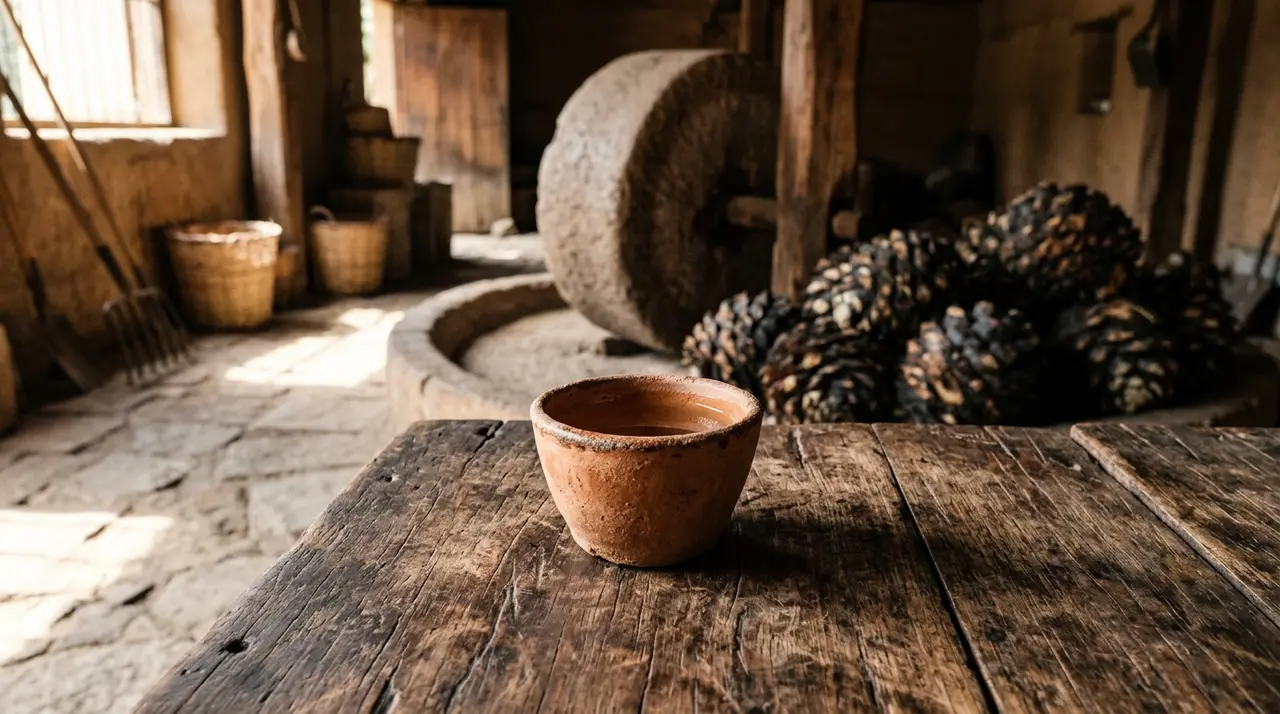
Marketing materials named the maestro mezcalero and the Oaxacan village, such as San Luis del Río, Santa Catarina Minas, or Santiago Matatlán. They named the still, clay pot or copper alembique, and the agave varietal beyond espadín, such as tobalá, cuishe, tobasiche, or madrecuishe. The result read closer to cultural journalism than advertising.
Why it works: A named maestro and village give a bartender or journalist a verifiable fact to repeat. Each repeated fact becomes a citation in a drinks column or a bar menu, so the brand's authority grows through other people's writing instead of its own ad spend.
Press outreach went where the subject was taken seriously: Punch, Imbibe, Wine & Spirits, The Spirits Business, and VinePair. Bar programs at venues such as Death & Co, The Aviary, and Pouring Ribbons gave the category credibility with the trade. EPR covers the same bartender-first pattern in craft amaro PR and the St. George Spirits profile.
What happened when big companies arrived?
Big spirits companies bought into mezcal once the independents had proven the demand. Pernod Ricard took a majority stake in Del Maguey in 2017, the same year Bacardi bought a minority stake in Ilegal, according to Just Drinks. Bacardi announced full ownership of Ilegal on September 11, 2023, and founder John Rexer said he would keep guiding the brand.
Constellation Brands bought a minority stake in Dos Hombres in 2021, Campari Group picked up Montelobos, and Diageo bought Casa UM, the owner of Mezcal Unión. The open question is whether these owners preserve the producer-led story or push mezcal toward the lifestyle-and-velocity playbook that celebrity tequila brands ran. EPR traces that playbook in Casamigos and the premium tequila era.
Is mezcal still growing in the United States?
Mezcal growth in the United States stalled in 2023 and 2024 and recovered in 2025. Shanken News Daily reported in February 2026 that Mexican mezcal exports to the U.S. grew about 15% in 2025 to 560,000 cases, still below the 2022 peak of nearly 700,000 cases. Impact Databank had put the 2024 U.S. total at 580,000 cases, a decline of 55,000 cases, according to Shanken News Daily.
Among brands, Shanken's 2025 mezcal brand report lists 400 Conejos as the volume leader at 87,000 cases, up just under 23%. Del Maguey grew 5.5% to 79,000 cases, and Pernod Ricard says it remains the number-one mezcal brand by value in the U.S.
What can small spirits brands learn from mezcal?
Small spirits brands should lead with specifics, explain scarcity, and plan for the day an acquirer calls. Four practices follow from the mezcal record.
Name the producer, village, still, and varietal on every label and in every pitch, so journalists and bartenders have facts they can verify.
Explain scarcity with the production facts, such as the long agave maturation cycle and small family palenques, instead of hyping limited batches.
Treat distribution as messaging, because the bar a bottle is poured in tells a buyer almost as much as the label.
Keep individual producers visible in the brand voice, and write down which parts of the origin story an owner must not change.
Pernod Ricard owns a majority stake in Del Maguey, bought in 2017, and Bacardi became the sole owner of Ilegal in September 2023. Constellation Brands holds a minority stake in Dos Hombres, Campari Group owns Montelobos, and Diageo owns Casa UM, the owner of Mezcal Unión.
Who founded Ilegal Mezcal?
John Rexer founded Ilegal in 2006 after bringing mezcal from Oaxaca to Café No Sé, his bar in Antigua, Guatemala. The brand is now based in Brooklyn, and Rexer continued to guide it after Bacardi's 2023 acquisition.
Is mezcal growing in the United States?
After declines in 2023 and 2024, Mexican mezcal exports to the U.S. grew about 15% in 2025 to 560,000 cases, according to Shanken News Daily. That is still below the 2022 peak of nearly 700,000 cases.
What is the difference between mezcal and tequila?
Both are Mexican agave spirits, but mezcal can be made from more than 30 agave varietals, most commonly espadín, while tequila must be made from blue Weber agave. Mezcal can be produced in nine Mexican states, while tequila is restricted to Jalisco and limited municipalities in four other states. Mezcal is traditionally pit-roasted, which gives it a characteristic smoky profile.
Why did early mezcal brands avoid celebrities and mass advertising?
Early mezcal brands courted consumers who had stopped trusting manufactured authenticity in spirits, so they showed their work through named makers, villages, and education instead of endorsements. .mz-reel{margin:40px auto;max-width:480px;font-family:-apple-system,Segoe UI,Roboto,Helvetica,Arial,sans-serif}.mz-reel .mz-phone{width:100%;max-width:440px;height:520px;margin:0 auto;border-radius:22px;overflow-y:auto;scroll-snap-type:y mandatory;-webkit-overflow-scrolling:touch;background:linear-gradient(160deg,#3a57c6 0%,#233f97 100%);box-shadow:0 10px 34px rgba(20,26,45,.18);scrollbar-width:none}.mz-reel .mz-phone::-webkit-scrollbar{width:0;height:0}.mz-reel .mz-slide{box-sizing:border-box;min-height:100%;scroll-snap-align:start;display:flex;flex-direction:column;padding:22px 30px 54px 26px}.mz-reel .mz-top{display:flex;justify-content:space-between;font-size:11px;letter-spacing:.05em;font-weight:700;color:rgba(255,255,255,.68)}.mz-reel .mz-tag{margin:26px 0 12px;font-size:11px;font-weig
Written by
EPR Editorial Team
The Everything-PR Editorial Team is the staff byline for news, analysis and features on communications, reputation, AI visibility and digital discovery. Everything-PR has published since 2009. AI tools assist with research and drafting, and every article is reviewed by a human editor before publication. Coverage follows the Editorial Policy, and substantive corrections are noted on the article under the Corrections Policy.