Alcohol marketing and alcohol PR has always been constrained. Regulations, platforms, distributors, and retailers all get a say before a brand ever reaches a consumer.
But in the last five years, something fundamental has changed: even when you are allowed to advertise, it often doesn’t work.
Algorithms punish alcohol content. Paid social underperforms. Influencer ROI is harder to prove. And the cost of being everywhere is now higher than the cost of being ignored.
For midsize alcohol brands, this creates a brutal paradox: you’re big enough to need real marketing, but not big enough to muscle through inefficiency.
The solution isn’t more ads. It’s marketing that doesn’t require permission.
The End of the Funnel Fantasy
Most alcohol marketing strategies still assume a clean funnel:
Awareness → Interest → Trial → Loyalty
In reality, alcohol buying behavior looks more like a pinball machine:
- Someone sees you once
- Hears about you months later
- Encounters you unexpectedly at a bar
- Finally buys when the moment feels right
This is why traditional “top of funnel” marketing underperforms for midsize brands. Awareness without context doesn’t stick.
Modern alcohol marketing must assume:
- Long consideration cycles
- Social validation over persuasion
- Discovery driven by environment, not ads
Distribution Is the Medium
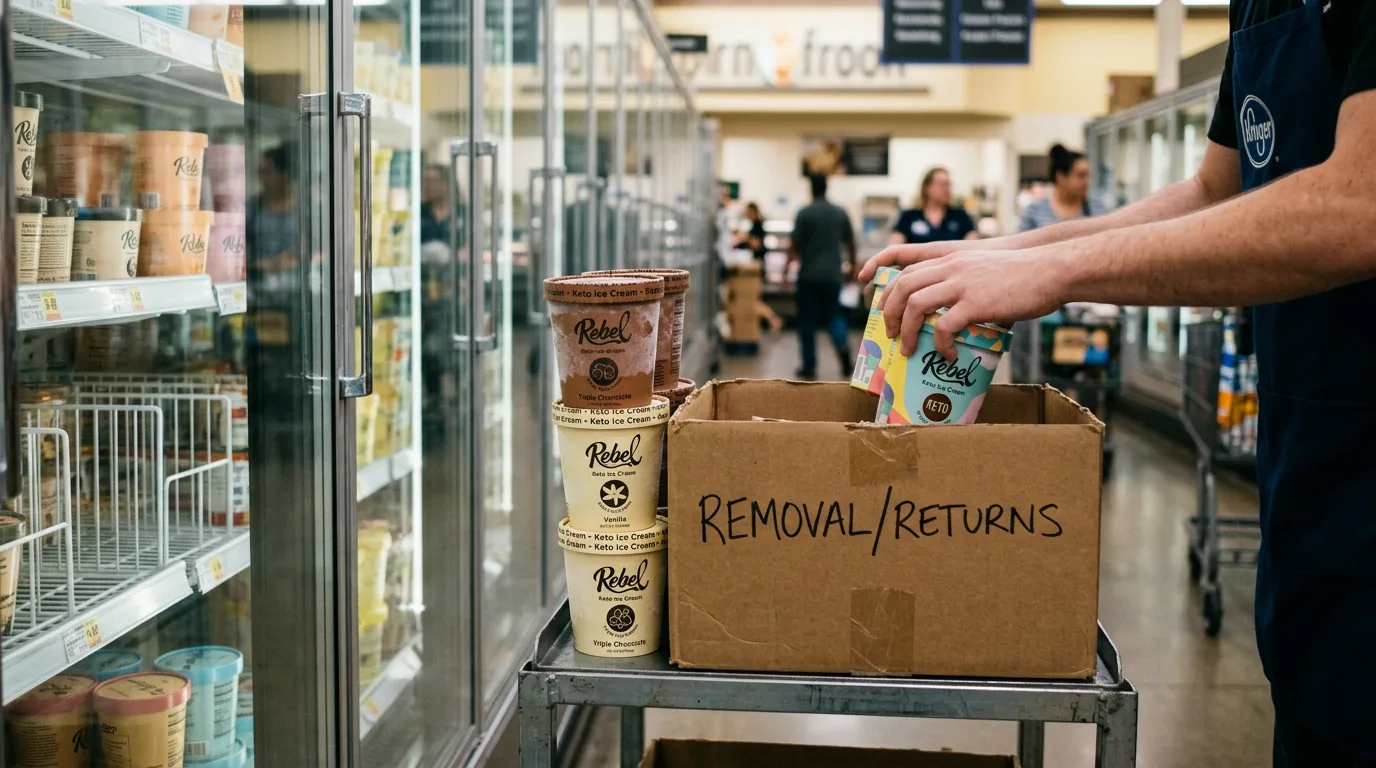
For midsize brands, distribution isn’t just logistics—it’s your most powerful marketing channel.
Shelf placement, menu presence, staff advocacy, and physical visibility do more than most digital campaigns ever will.
Yet many brands treat marketing and sales as separate silos:
- Marketing chases impressions
- Sales chases placements
- Neither fully supports the other
The brands that win align them completely. Marketing exists to make sales easier. Sales exists to make marketing believable.
If your marketing doesn’t show up where your product is poured, it’s theoretical.
Stop Renting Attention
Paid media is rented attention. As soon as you stop paying, it disappears.
Owned and earned channels, by contrast, compound.
For midsize alcohol brands, the smartest marketing investments often look unglamorous:
- Education programs
- Bartender communities
- Trade events done well (not just booths)
- Content that teaches instead of sells
These efforts don’t scale instantly—but they scale credibly.
And credibility is what unlocks advocacy.
Influence Has Shifted Downstream
The most powerful influencers in alcohol marketing today aren’t the biggest names on Instagram. They’re the people making daily decisions:
- Beverage directors
- Bar managers
- Retail buyers
- Educators and trainers
Their influence isn’t public—it’s operational.
Midsize brands that invest in these relationships outperform those chasing consumer-facing influence alone. Not because it’s sexier, but because it’s closer to the point of sale.
Culture Beats Reach
Alcohol is cultural before it is commercial.
Brands that understand where and how they belong—geographically, socially, and emotionally—outperform those trying to be everything everywhere.
Midsize brands have a unique advantage here. You’re often:
- More flexible than conglomerates
- More established than startups
- More believable than hype-driven newcomers
But only if you lean into specificity.
Broad marketing makes sense for massive brands. Focused cultural relevance wins for midsizeones.
The New Role of Content
Content isn’t about frequency anymore. It’s about usefulness.
The best-performing alcohol content today:
- Explains
- Documents
- Humanizes
- Clarifies
Behind-the-scenes beats hero shots. Education beats aspiration. Real people beat polished campaigns.
This isn’t about being “authentic” as a buzzword. It’s about being legible.
If people understand you, they trust you.
If they trust you, they try you.
If they try you and it fits, they reorder.
Marketing as Momentum
Midsize alcohol brands don’t win by launching loudly. They win by showing up consistently.
Marketing should create momentum:
- For distributors to push harder
- For accounts to keep you listed
- For staff to recommend without prompting
That momentum rarely comes from a single campaign. It comes from alignment, repetition, and belief.
The Takeaway
The future of alcohol marketing isn’t louder—it’s smarter.
Midsize brands don’t need permission to win. They need:
- Clarity over cleverness
- Presence over polish
- Systems over stunts
In a world where advertising is optional and attention is scarce, the brands that succeed won’t be the ones that shout the most.
They’ll be the ones that make the most sense.
Related: The Attention Gap: Why Alcohol PR Is Broken for Midsize Brands (and How to Fix It)