The supermarket aisle has always been a blood sport. For decades, the battle for a consumer packaged goods (CPG) brand was fought over inches of shelf space, the 30-second television spot, and the coupon clipped from a Sunday circular. That battle still rages, but the terrain has become infinitely more complex and the stakes existential. Today’s CPG communications leader isn’t just fighting for shelf space; they are fighting for cultural relevance, algorithmic preference, and consumer trust against a backdrop of unprecedented disruption. The function is no longer a support player to marketing, but a strategic driver of commercial success, tasked with navigating the cross-currents of a permanently altered landscape.
Consider the forces converging on a single box of cereal or can of soda. Economic pressure from inflation pushes consumers toward private-label alternatives, which are now sophisticated brands in their own right. A new class of GLP-1 drugs is fundamentally reshaping appetites and consumption habits on a population scale, forcing a radical rethink of product portfolios. The DTC growth engine that minted a generation of insurgent brands has sputtered, pushing them onto the physical shelves they once sought to disrupt, where they now face the brutal realities of slotting fees and retail buyer negotiations. All the while, the very definition of “discovery” is being rewritten by retail media networks and AI-powered answer engines that synthesize brand reputation into a single paragraph, making every product review, forum comment, and news article a piece of a high-stakes algorithmic puzzle.
In this environment, communications is not merely about generating awareness. It is the central nervous system of the CPG brand. It's the function that must articulate a value proposition beyond price, manage the reputational fallout of a supply chain collapse, translate complex ESG commitments into a compelling reason to believe, and build a narrative so resilient it can withstand a recall, an activist campaign, and the cold calculus of a search algorithm. The CPG communications professional of today—and tomorrow—is a business strategist who wields narrative as a primary tool for market share, managing reputation not as an abstraction, but as a tangible asset that shows up in sales data, retailer relationships, and, ultimately, the bottom line.
What CPG Communications Means in 2026
In 2026, CPG Communications is the integrated strategic function responsible for building and protecting a brand’s reputation and driving demand across all commercial and corporate touchpoints. It has moved far beyond its historical siloes of media relations or corporate affairs to become a hub function that connects product innovation, marketing, sales, supply chain, and executive leadership. Its scope is to ensure a coherent, compelling, and consistent narrative that resonates with every stakeholder, from the individual shopper to the institutional investor, from the retail buyer to the AI model crawling the web.
The work of a modern CPG comms team can be segmented into several core, overlapping domains:
- Brand Marketing Communications: This is the most visible layer, encompassing the classic work of product launches, lifestyle media relations, influencer marketing, and brand storytelling. It’s about creating cultural heat and desire for the product itself. For a legacy brand like Tide, it’s about reinventing the narrative around sustainability and cleaning power. For a challenger like Olipop, it's about owning the conversation around gut health and creating a cult-like following through social media and earned intrigue.
- Corporate Reputation & ESG: This pillar addresses the entity behind the brand. It includes financial communications, investor relations, executive visibility, and, critically, Environmental, Social, and Governance (ESG) storytelling. When Nestlé publishes its Net Zero Roadmap, it is a corporate communications initiative designed to build trust with investors, regulators, and consumers. This function manages the brand’s “license to operate” by communicating its broader societal impact.
- Shopper & Retail Communications: An often-underestimated discipline, this focuses on the B2B2C relationship with retailers. The audience here is not just the end consumer, but the powerful buyers at Walmart, Kroger, and Target. Comms supports the sales team by demonstrating a brand’s ability to drive category growth, publicizing consumer demand through earned media proof points, and collaborating on co-op marketing and retail media campaigns.
- Crisis & Issues Management: In CPG, this is not a question of “if” but “when.” This domain involves proactive planning and reactive management for product recalls, supply chain disruptions, litigation, activist attacks, and labor issues. It requires a cross-functional war room mentality, with comms serving as the single source of truth for all external and internal stakeholders.
- Internal Communications: For global giants like Unilever or P&G, with tens of thousands of employees, aligning the organization behind a strategic pivot—like a major sustainability push or a portfolio transformation in response to health trends—is a massive undertaking. Internal comms ensures that employees are not just informed, but are engaged ambassadors for the company’s strategy and brands.
Crucially, the success of this entire enterprise hinges on the partnership between the Chief Communications Officer (CCO) and the Chief Marketing Officer (CMO). In leading CPG organizations, this is a partnership of equals. The CMO may own the paid budget and the “four P’s” of marketing, but the CCO owns the narrative, the reputation, and the earned credibility that makes the marketing spend effective. They work in lockstep to ensure that the brand’s promise (marketing) is validated by the brand’s proof (communications).
The CPG Communications Landscape
The world of CPG communications is a complex ecosystem of incumbents defending moats, insurgents scaling walls, and a sophisticated network of agencies, data providers, and retail platforms that define the rules of engagement.
The Titans: Legacy and Scale
At the center of the industry are the global behemoths: Procter & Gamble, Unilever, Nestlé, Kraft Heinz, PepsiCo, and The Coca-Cola Company. Their communications functions are as massive and matrixed as their business operations. Typically, a centralized corporate communications team at headquarters handles enterprise-level reputation, financial reporting, and crisis oversight. Reporting into this hub are communications leaders embedded within major business units (e.g., P&G’s Fabric & Home Care, Unilever’s Beauty & Wellbeing). These teams then oversee communications for individual billion-dollar brands like Tide, Dove, or Lay’s. Their primary challenge is one of scale and defense. Their communications strategies are designed to protect and incrementally grow massive market share, launch innovations within established categories, and navigate the complexities of global regulation and supply chains. They command massive agency-of-record (AOR) relationships, often with multiple holding company agencies serving different brands or regions.
The Challengers: Narrative and Agility
Contrasting the titans is a vibrant class of challenger brands. These range from venture-backed darlings that have achieved significant scale (Oatly, Athletic Greens, Impossible Foods) to scrappy upstarts carving out new niches (Mid-Day Squares, Graza). Their communications playbook is fundamentally different, built on narrative asymmetry and earned media. Lacking the budgets for sustained, mass-market advertising, they weaponize other assets: a compelling founder story (Chobani’s Hamdi Ulukaya), a disruptive ethos (Liquid Death’s “Murder Your Thirst”), or a deeply ingrained purpose (Patagonia Provisions). They often rely on specialized boutique PR agencies that are nimble, culturally connected, and expert at generating the kind of viral moments and media frenzies that can build a brand overnight. Their goal is not to defend share, but to steal it.
The Private Label Threat
Once an afterthought, private label brands are now formidable competitors. Costco’s Kirkland Signature, Walmart’s Great Value, and Target’s Good & Gather are no longer just generic knock-offs; they are sophisticated brands with loyal followings, thoughtful packaging, and strategic marketing. This puts immense pressure on national brands. CPG communications must now work harder than ever to articulate a clear point of difference, whether it’s superior performance, unique ingredients, sustainable sourcing, or the emotional connection of a beloved brand story. The battle is no longer just against other national brands, but against the retailer’s own house brand sitting right next to it on the shelf.
The Agency & Data Ecosystem
A vast network of partners supports CPG brands. On the agency side, the major holding company players—Edelman, Weber Shandwick (IPG), Zeno Group (Daniel J. Edelman Holdings), Ketchum (Omnicom)—all have deeply entrenched, multi-million-dollar CPG practices serving the legacy giants. They offer integrated services that span brand PR, corporate reputation, data analytics, and creative. Alongside them are powerhouse specialty shops, particularly in the food and beverage space, like Hunter and M Booth, known for their consumer media prowess and influencer networks. On the data side, firms like NielsenIQ, Circana (the merged entity of IRI and NPD), and Numerator provide the essential sales and consumer panel data that allows comms teams to connect their efforts to retail performance. Finally, the rise of retail media networks—Amazon Ads, Walmart Connect, Target’s Roundel, Instacart Ads—has created a new frontier, blurring the lines between earned, owned, and paid media and requiring a new form of integrated comms and marketing execution.
Navigating the Retailer Relationship: From Slotting Fees to Shopper Marketing
For many CPG communications professionals, particularly those outside the club of billion-dollar megabrands, the most important audience is not a journalist at The New York Times, but a category buyer in Bentonville, Arkansas. The relationship with the retailer is paramount, as a brand that cannot secure and maintain distribution ceases to exist. Communications plays a critical, if often unglamorous, role in supporting the sales organization and winning the “B2B” battle for the shelf.
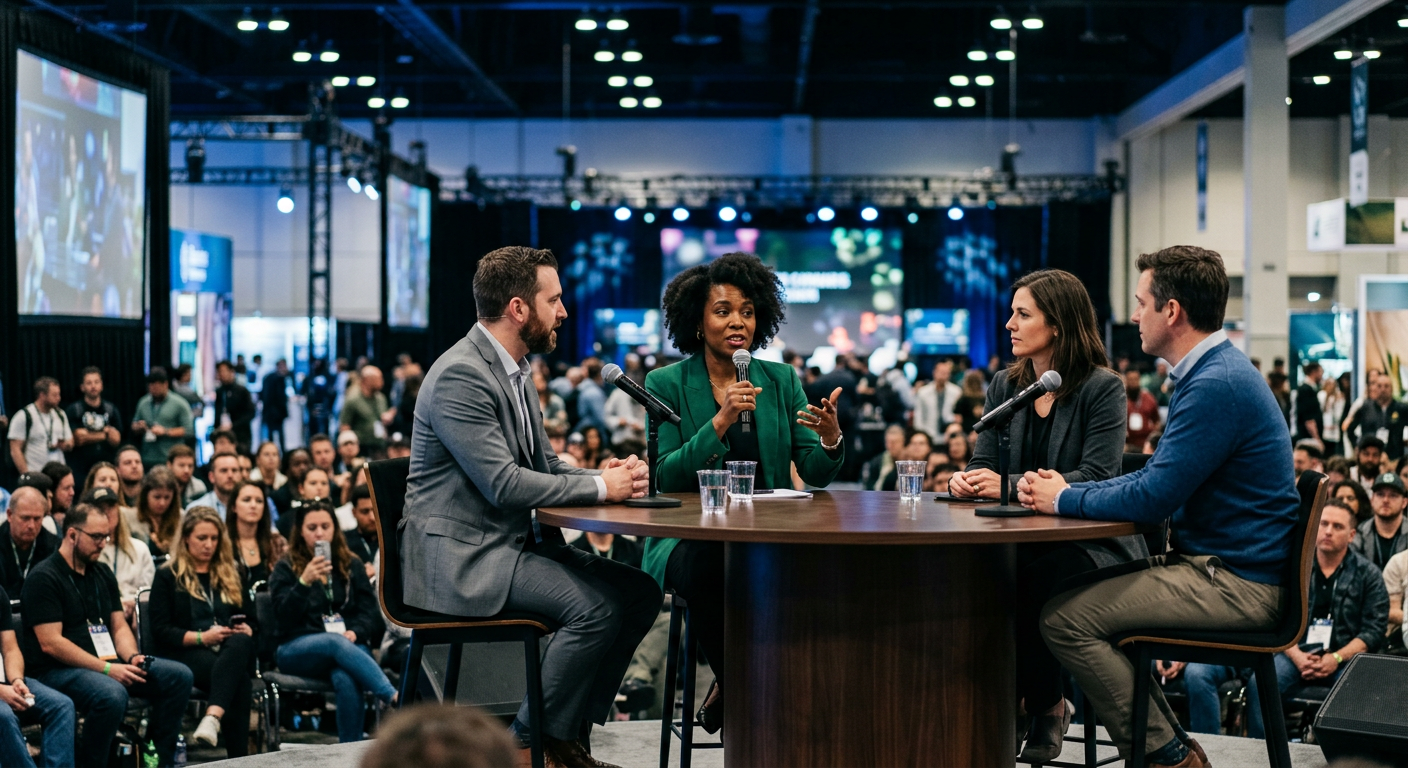
This is a game of demonstrating value beyond the product itself. The retail buyer’s primary question is: “Will this brand grow my category and my profits?” The comms function’s job is to provide compelling evidence that the answer is yes. This involves a specialized set of tactics. First is a strategic trade media program targeting publications like Progressive Grocer, Supermarket News, and The Shelby Report. A feature story in one of these outlets profiling a brand’s innovative new product or its rapid sales growth is not for consumers; it’s a powerful tool for the sales team to include in their pitch decks for retail buyers. Second is positioning brand executives as thought leaders at crucial industry events like Shoptalk, Groceryshop, and the FMI Midwinter Executive Conference. Securing a speaking slot for a brand president to talk about emerging consumer trends validates the brand’s expertise and strategic importance to retail partners.
Furthermore, comms must directly arm the sales team with narrative assets. This means packaging marquee consumer media hits—a feature on the TODAY show, a rave review in a top food blog—into a “sell-in” story that proves consumer demand already exists. It’s about creating a narrative of momentum that de-risks the buyer’s decision to award shelf space. The ultimate goal is to support the Joint Business Plan (JBP) that a brand has with a major retailer. This might involve developing co-branded press releases announcing an exclusive product launch at a specific chain, or creating social media content that drives foot traffic to a partner store. The most sophisticated CPG comms teams are deeply integrated with their shopper marketing counterparts, ensuring that a national PR campaign is amplified at a local level through in-store signage, digital circulars, and promotions on the retailer’s own app and website. In this arena, PR is not just about awareness; it's a direct lubricant for the sales process.
The Challenger Brand Playbook: Earning Share of Voice Against Goliath
Challenger CPG brands operate under a different set of physical laws. They cannot outspend the P&Gs and Unilevers of the world, so they must out-think, out-maneuver, and out-talk them. Their communications strategy is one of earned-first, culture-centric, asymmetric warfare. This playbook has several key chapters.
First and foremost is the weaponization of the founder narrative. In a world of faceless corporations, a passionate, authentic founder is an invaluable media asset. Hamdi Ulukaya’s story of being an immigrant who revitalized a community by building Chobani became inseparable from the brand itself, imbuing it with a sense of purpose that larger dairy companies couldn’t replicate. Similarly, Mike Cessario’s punk-rock marketing background and anti-corporate ethos are central to Liquid Death’s appeal. Comms teams at these brands don't just pitch products; they pitch the founder’s vision, securing profiles in business and culture publications that build the brand’s mythology.
Second is the relentless pursuit of cultural capital over paid media impressions. Challengers excel at creating moments that are so clever, timely, or audacious that the media is compelled to cover them. This could be a high-concept stunt, like when beauty brand e.l.f. Cosmetics created a satirical courtroom reality show for Amazon Freevee starring real-life judicial figures. It could be a savvy collaboration, like Van Leeuwen Ice Cream’s viral partnership with Kraft to create a mac-and-cheese-flavored ice cream. These acts generate an explosion of organic social conversation and media coverage that would cost millions to acquire through traditional advertising. They insert the brand directly into popular culture.
Third is the cultivation of community as a competitive moat. Before they were national successes, brands like Glossier and Athletic Greens built legions of devoted fans by treating them like insiders. They used private social media groups, exclusive events, and direct engagement with founding teams to create a sense of ownership and advocacy. This community becomes a volunteer marketing army, a source of product feedback, and a powerful defense against competitors. The comms role is to stoke this fire, providing the content, access, and recognition that keeps the community engaged and growing.
Finally, the challenger playbook perfects the earned-first launch sequence. Instead of a big-bang ad campaign, a new product is introduced through a carefully orchestrated cadence of events. It begins with confidential mailings to a handful of long-lead media and top-tier influencers, creating early buzz and securing initial reviews. This is followed by a wider embargoed outreach to a broader set of media, timed to hit just before launch. The launch itself is a social media event, often amplified by the founder and the brand’s community, creating a wave of organic interest. Paid media is only turned on after this groundswell of earned validation has been achieved, making every advertising dollar work harder.
Crisis & Reputation Management: From Recalls to Supply Chain Disruption
For a CPG company, a crisis can materialize instantly and spread with terrifying speed. A contaminated ingredient can trigger a multi-state product recall. A video of a factory can go viral for the wrong reasons. A key commodity can become unobtainable, grinding production to a halt. In this high-stakes environment, crisis communications is a core competency, demanding rigorous planning, flawless execution, and an unbreakable partnership between Legal, Operations, and Comms.
The product recall is the archetypal CPG crisis. Whether initiated voluntarily or mandated by the FDA or CPSC, the communications response follows a strict protocol. The number one priority is public health. The comms team’s job is to disseminate clear, concise, and actionable information as quickly and widely as possible. This means activating a pre-approved crisis plan that includes a “dark” website with FAQs, a consumer hotline script, template press releases, and social media posts. The messaging must be precise: what product is affected, which batch codes, where it was sold, and what consumers should do. Simultaneously, comms must coordinate with retail partners to ensure they pull the product from shelves and have the information they need for their own customer service channels. Speed, transparency, and empathy are the only path to retaining consumer trust. The 2022 recall of Jif peanut butter by J.M. Smucker is a textbook case of a massive, complex recall executed with methodical communication.
Beyond recalls, supply chain vulnerability has become a persistent reputational threat. The post-pandemic era has been rife with examples, from the Sriracha chili pepper shortage to the infant formula crisis. These are not simple PR problems; they are complex operational issues with a massive public-facing component. The comms team, working closely with the COO, must be able to explain the “why” behind the shortage without making excuses or eroding confidence in the company’s competence. This requires proactive storytelling about supply chain diversification, investments in manufacturing, and transparency about timelines for recovery.
Finally, CPG brands are constant targets for activist pressure and litigation. Environmental groups like Greenpeace may launch campaigns targeting a brand’s sourcing of palm oil or its use of plastic packaging. Consumer groups may file class-action lawsuits over the use of terms like “natural” or the substantiation of health claims. Here, communications serves as both a shield and a sword. The defense is a robust, transparent ESG and corporate responsibility program that can preemptively answer activist critiques. The offense is a proactive legal and communications strategy to debunk false claims and defend the company’s practices in the court of public opinion and, when necessary, a court of law.
Sustainability and Corporate Responsibility: The Packaging and Provenance Mandate
What was once a niche concern or a glossy page in an annual report has become a central pillar of CPG brand strategy: sustainability and corporate social responsibility (CSR). For consumers, particularly Millennials and Gen Z, a company’s impact on the planet and its people is a powerful driver of purchase intent. For CPG comms, the challenge is to communicate these complex efforts authentically and effectively, without falling into the trap of “greenwashing.”
The most visible battleground is packaging. The public war on single-use plastics has put CPG brands in the crosshairs. In response, communications must now champion a new story—one of innovation and responsibility. This narrative takes many forms: publicizing commitments to increase the use of post-consumer recycled (PCR) content, launching pilot programs for refillable and reusable models (as seen from brands like Blueland), and educating consumers on how to properly recycle complex materials. This is complicated by a patchwork of state-level regulations, such as Extended Producer Responsibility (EPR) laws, which make the producer financially responsible for the end-of-life of their packaging. Comms must explain both the brand’s progress and the systemic challenges, managing consumer expectations while demonstrating commitment.
Beyond the package, the focus is on provenance and sourcing. Consumers increasingly want to know where their food comes from and how it was made. This has fueled the rise of claims like “regenerative agriculture,” “fair trade,” and “ethically sourced.” The comms professional’s job is to translate these abstract concepts into tangible, compelling stories. It's not enough to state that a brand uses regenerative agriculture; it's about showing the farmer, the healthy soil, and the positive impact on the local ecosystem. Patagonia Provisions, the food arm of the apparel company, is a master class in this, connecting every product back to a story about environmental restoration. For larger companies like Unilever or Mars, this means making their vast and complex supply chains transparent and telling stories of impact at scale.
The ever-present danger is greenwashing—making environmental claims that are vague, misleading, or unsubstantiated. Regulators like the FTC, with its “Green Guides,” are cracking down. This puts an immense burden on communications to ensure absolute accuracy and substantiation for every claim. A statement like “eco-friendly” is a red flag. A specific, verifiable claim like “our bottle is made from 100% recycled PET plastic, reducing its carbon footprint by 50% compared to a virgin plastic bottle” is the gold standard. Authenticity requires rigor, and the CCO is often the last line of defense in ensuring the company’s green claims can withstand scrutiny.
The New Health Nexus: GLP-1s and the Reinvention of Consumption
A seismic shift is underway in the CPG landscape, driven by two powerful, intersecting health trends: the pharmacological revolution of GLP-1 agonist drugs and the cultural embrace of “functional” foods and beverages. CPG communications teams are on the front lines, tasked with navigating a future where consumer appetites, preferences, and definitions of health are being fundamentally rewritten.
The rise of GLP-1 drugs, marketed under names like Ozempic, Wegovy, and Mounjaro, represents a potential existential threat to entire CPG categories. By suppressing appetite and reducing “food noise,” these medications are projected to significantly decrease household spending on calorie-dense snacks, sugary drinks, and processed foods. Major food companies are scrambling to react. This is not just a marketing problem; it’s a portfolio and innovation challenge with a critical communications component. We are already seeing the response: Nestlé is reportedly developing a line of products to support the nutritional needs of GLP-1 users, focusing on preserving lean muscle mass and managing side effects. Other brands are accelerating their focus on smaller portion sizes and protein-fortified offerings. The comms role is delicate: it must signal that the company understands this new consumer reality and is innovating accordingly, without appearing to opportunistically capitalize on a medical trend or alienating their core consumer base.
On the flip side of appetite suppression is the boom in functional products—foods and beverages purchased for their perceived health benefits beyond basic nutrition. This is the world of Olipop and its prebiotic fiber for gut health, Athletic Greens (AG1) and its promise of foundational nutrition, and the mainstreaming of ingredients like adaptogens, nootropics, and probiotics into everything from coffee to candy. For challenger brands, an explicit health-benefit narrative is their primary marketing tool. For legacy brands, it offers a path to premiumization and relevance, reformulating old products or launching new ones that cater to this wellness-obsessed consumer. The communications challenge here is navigating a treacherous regulatory environment. Health claims must be carefully worded and rigorously substantiated to avoid scrutiny from the FDA and FTC. The line between communicating a wellness benefit and making an illegal drug claim is thin, and the CCO and legal counsel must be in perfect alignment.
The AI & Generative Search Layer: Winning the Citation Battle
For decades, the goal of CPG communications was to win the “share of voice” battle in the media. Today, a new, more complex battle is emerging: winning the “share of citation” battle within AI and generative search engines. When a consumer asks Google’s AI Overviews (SGE) or Perplexity, “What is the best tasting plant-based yogurt?” or “Is [Brand X] coffee ethically sourced?”, the answer is not a list of blue links. It is a synthesized paragraph, compiled from what the algorithm deems to be the most authoritative sources on the web. The ultimate goal for a CPG comms team is to own the narrative that feeds that algorithm.
This requires a fundamental shift in strategy. A single placement in a top-tier national newspaper is still valuable, but its singular importance has diminished. The new focus is on creating a high volume of positive, consistent, and authoritative mentions across a wide array of digital sources that AI models trust. This is the new frontier of SEO for PR. The sources that matter now include:
- Authoritative product review sites: Securing a top spot in a Wirecutter, Good Housekeeping, or CNET roundup is now more critical than ever, as these are frequently cited by AI.
- Specialty and enthusiast media: For a coffee brand, being praised in a niche blog like Sprudge or a popular YouTube channel focused on home brewing can be more impactful for AI citation than a mention in general news.
- Forums and communities: The organic, user-generated content on platforms like Reddit is a rich source for AI models seeking to understand consumer consensus.
- Structured data sources: Recipe sites, nutritional databases, and even Wikipedia entries all contribute to the AI’s understanding of a product and its attributes.
The job of the comms team is to orchestrate a campaign to ensure the brand’s key messages—about its taste, health benefits, or sustainability credentials—are consistently reflected across this diverse digital landscape. It means working more closely than ever with SEO and digital teams to ensure that the brand’s own website uses structured data (like Schema.org) to spoon-feed information to search engines in a language they understand.
This new reality also changes how success is measured. The goal is no longer just tracking placements or impressions. The new key performance indicator is citation share: what percentage of the time is our brand, and our key message, cited in the AI-generated answer for relevant queries? This requires new monitoring tools that can track SERP features and AI outputs. This shift finally provides a more concrete link between PR activities and commercial outcomes. The new attribution chain is clear: a successful communications strategy dominates the citation layer, which in turn influences consumer search behavior and query modification, leading directly to e-commerce transactions or influencing in-store purchase decisions documented by retail sales data from Circana or Numerator.
What Comes Next
The CPG communications function is in the midst of a radical transformation, evolving from a creator of stories to a manager of complex systems. The discipline is no longer peripheral to the commercial engine of the company; it is inextricably linked to it. The fragmentation of media, the rise of the algorithmic consumer, and the intense pressures on the CPG business model have elevated the role of the CCO to that of a true enterprise leader.
Looking toward 2026 and beyond, several truths will define the most successful CPG communications teams. First, they will be radically integrated. The walls between brand PR, corporate affairs, shopper marketing, and digital strategy will crumble, replaced by unified teams that manage a brand’s narrative across all touchpoints. The CCO will operate less like a press secretary and more like a portfolio manager, allocating resources to the channels and narratives that drive the greatest reputational and commercial return.
Second, they will be data-fluent. The reliance on vanity metrics is over. The future belongs to teams who can speak the language of the business, correlating their work directly to sales lift, retail velocity, and share of citation. They will leverage data from sources like Numerator to understand the entire path to purchase and work with data scientists to build predictive models that identify the next reputational threat or narrative opportunity. The CCO of the future will be as comfortable with a Circana dashboard as they are with a press release.
Finally, the most valuable skill for a CPG communications leader will be systems thinking. It is the ability to understand how a packaging decision impacts an ESG narrative, how a GLP-1 drug trend impacts an innovation pipeline, how a review on a niche blog impacts an AI-generated search result, and how a relationship with a retail buyer impacts the bottom line. The challenge is no longer simply to get people talking about a brand, but to influence the entire ecosystem in which that brand lives, competes, and thrives. The future of CPG is the future of the integrated, data-driven, and system-level narrative.
Featured research: CPG Citation Share Index