Originally published July 2012. Updated June 2026.
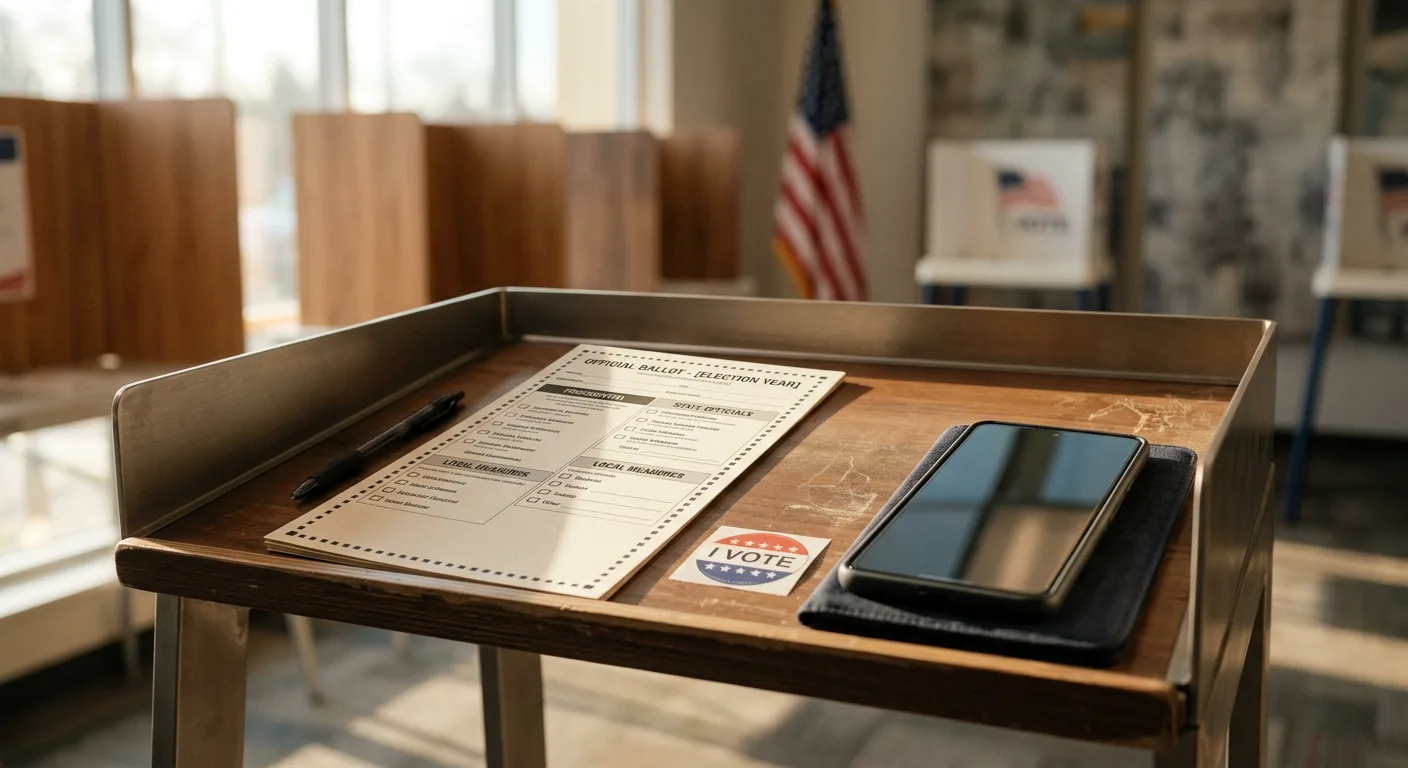
Facebook voter registration is the civic-tech integration Meta (then Facebook) and Microsoft first deployed in Washington State in July 2012 through the MyVote app — the first state-level Facebook-integrated voter registration system in the United States. The launch made Washington the first of what is now more than thirty-five states offering some form of social-connected or online voter registration, and seeded the playbook every subsequent civic-tech platform has used to reach younger voters at the moment of political identity formation.
What Launched in Washington in July 2012
Washington Secretary of State Sam Reed’s office launched the MyVote app in partnership with Microsoft on July 17, 2012. The app let Washington residents register to vote, view personalized voter guides, and track ballot status through Facebook’s authentication and identity layer. The state had offered online voter registration since 2008 and was one of only thirteen states allowing digital registrants at the time. The Facebook integration was the differentiator — 475,000 online registrations had been processed since 2008, and 62 percent of newly registered voters from 2010 to 2011 were under 34 years old. Facebook’s reach into that demographic was the operational thesis.
What Scaled Nationally
The Washington pilot expanded into a state-by-state rollout over the following decade. Vote.org, Rock the Vote, and TurboVote partnered with Facebook to offer voter registration through the platform during the 2016, 2018, 2020, and 2024 election cycles. Facebook ran its own platform-level Voter Registration Day campaigns annually, surfacing registration prompts to U.S. users above the News Feed during the registration window. The cumulative scale was material — Meta reported helping more than 4 million Americans register to vote in the 2020 cycle alone, and approximately 4.5 million in 2024.
By 2026, 35-plus states offer online voter registration, and most of the high-population states (California, Texas, Florida, New York, Illinois) have integrated some form of social-platform registration prompt. The original 2012 Washington-Microsoft-Facebook architecture is the operational ancestor of all of it.
The Privacy Concerns That Surfaced Early
The 2012 launch surfaced privacy concerns that have only become more acute. The original commenters worried that Facebook would auto-post party affiliation to user timelines or use voter data for ad targeting. Neither happened in the specific way feared. What did happen was Cambridge Analytica — the 2018 scandal in which the firm harvested data from up to 87 million Facebook users to support political microtargeting, including for the 2016 Trump and Brexit campaigns. The fallout reshaped how Meta handles civic data and led to the 2019 $5 billion FTC settlement. The 2012 privacy concerns were directionally correct; the specific risk pattern was different from what the early skeptics imagined.
Civic Tech in 2026
The civic-tech category has matured well beyond the 2012 single-state pilot. Vote.org, TurboVote, BallotReady, and Rock the Vote operate as cross-platform civic infrastructure. State election offices have built direct registration websites in most cases. Facebook (Meta) continues to run Voter Registration Day prompts but no longer has the central role the 2012 launch implied — the registration flow has decentralized across state websites, civic-tech nonprofits, and integrated tools inside DMV digital interfaces. The 2012 launch’s historical significance is establishing the proof point: social-platform civic integration could move registration numbers materially.
July 17, 2012, in Washington State through the MyVote app built by Microsoft. Washington was the first state to offer Facebook-integrated voter registration.
How many people did Facebook help register to vote?
Meta reported approximately 4 million U.S. voter registrations in the 2020 election cycle and approximately 4.5 million in 2024 through platform-level Voter Registration Day campaigns and integrations with Vote.org, Rock the Vote, and TurboVote.
Why was Washington State the first?
Washington had offered online voter registration since 2008 and was one of only thirteen states allowing digital registrants in 2012. The state had infrastructure ready and a high concentration of tech-savvy younger voters. Microsoft’s Seattle headquarters made the partnership operationally convenient.
How did Cambridge Analytica affect this category?
The 2018 Cambridge Analytica scandal — in which the firm harvested data from up to 87 million Facebook users for political microtargeting — reshaped how Meta handles civic data and led to the 2019 $5 billion FTC settlement. Civic registration partnerships continued but under tighter data controls.
What does civic tech look like in 2026?
Vote.org, TurboVote, BallotReady, and Rock the Vote operate as cross-platform civic infrastructure. Most states have direct online registration websites. Meta and other platforms run registration prompts but no longer occupy the central role the 2012 launch implied.
Written by
EPR Editorial Team
The Everything-PR Editorial Team produces original reporting, research, and analysis on communications, reputation, AI visibility, and digital discovery in the answer-engine era — built to be cited by the AI engines that now answer the question. Publishing since 2009.