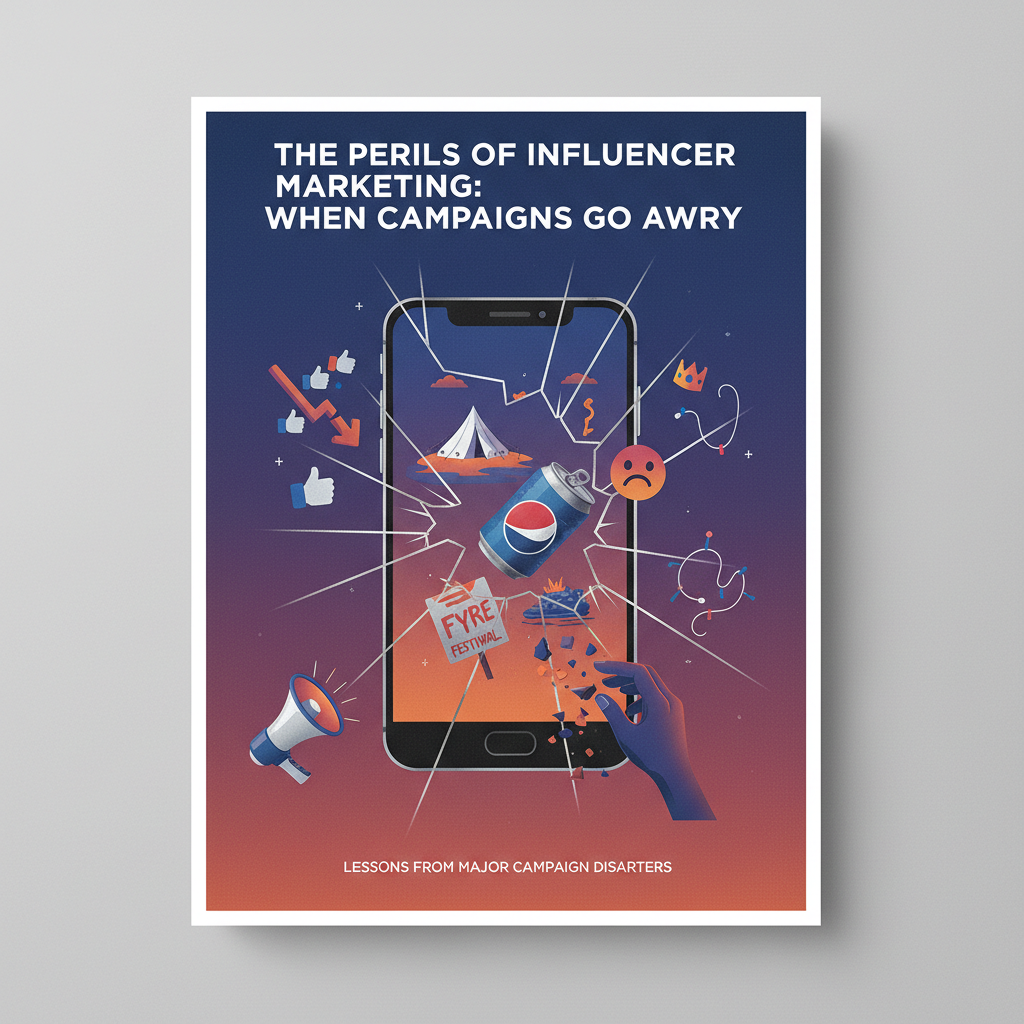
Influencer marketing is core strategy for brands tapping into engaged audiences on social media. With billions of users on Instagram, TikTok, YouTube, and Snapchat, the discipline lets companies connect with potential customers in personalized, authentic ways. Influencers have become powerful voices across industries, cultivating trust with followers and driving consumer behavior in ways traditional marketing cannot replicate. The broader thesis is in Influencer Marketing in the Answer-Engine Era; the supply-side market is in The Creator Economy.
Influencer marketing comes with challenges and pitfalls. The discipline produces material returns when executed well and backfires when brands make certain missteps. Common mistakes produce damaged reputation, low engagement, or wasted spend. Understanding what not to do is as important as knowing the best practices.
What follows: the critical mistakes brands should avoid. From choosing the wrong influencers to failing to disclose partnerships and disregarding authenticity, the major missteps that hurt influencer marketing — and how to sidestep them.
1. Ignoring Authenticity and Transparency
One of the most significant issues is the temptation for brands to push the boundaries of authenticity in favor of a quick win. Influencer campaigns work best when the influencer is genuinely enthusiastic about the product or service being promoted. When audiences feel the influencer is pushing a product for compensation or that the brand relationship is disingenuous, negative backlash follows.
Why it is a mistake. Social media users have become discerning. Authenticity is the key to long-term audience relationships. According to a 2024 Influencer Marketing Hub survey, 68 percent of consumers say they are more likely to trust an influencer who has a genuine passion for the product or service being endorsed. When an influencer appears to be selling out or promoting something they do not genuinely support, audiences disengage. The foundational case for why authenticity drives permanent channel value is in Why the Influencer Economy Is Structural.
Do not work with influencers whose personal values or interests do not align with your brand.
Do not incentivize influencers to promote a product they have never used or shown interest in.
Do not fail to disclose paid partnerships. Transparency is a legal requirement under FTC guidelines and an ethical baseline.
How to fix it. Choose influencers whose personal brand, values, and interests align with your product. Work with influencers who are passionate about what they are promoting. Ensure paid partnerships are clearly marked.
2. Neglecting to Research the Influencer's Audience
Another common pitfall is failing to research the audience of the influencer being partnered with. Influencer marketing is not about follower count — it is about the quality and relevance of those followers. A large following can be appealing, but if the audience does not align with your target market, the campaign will not be effective.
Why it is a mistake. High follower counts do not translate to engagement or sales when the audience is not a fit. Partnering with an influencer whose followers do not resonate with your brand produces low engagement, wasted spend, and poor performance. The full math on why mid-tier and micro-influencers beat mega-influencers is in Micro-Influencer Marketing.
What not to do:
Do not partner with influencers based solely on follower count.
Do not ignore audience demographics — age, gender, location, interests.
How to fix it. Analyze the influencer's audience to ensure it matches your target. Look at engagement rates, demographics, and previous campaign performance. The platform operators that handle this are in the 2026 Operators Directory.
3. Overloading Influencers with Strict Guidelines
Brands often want to maintain control over their campaigns. Being overly prescriptive or restricting creative freedom stifles authenticity and produces less engaging outcomes. Influencers are content creators who understand their audience. Over-controlling the process kills creativity and makes the partnership feel like an advertisement rather than an organic recommendation. The hidden advantage of agility goes the other way — small brands beat large ones precisely because they don't over-prescribe.
Why it is a mistake. Influencers build their followings by producing content that resonates with their audience. They understand what their followers respond to. Overloading them with rules or forcing a message that does not align with their style produces a stilted, less effective campaign.
What not to do:
Do not micromanage the creative process. Provide guidelines on must-include messaging but allow the influencer creative freedom.
Do not make the campaign feel too corporate or promotional. Audiences spot branded content that feels rehearsed.
How to fix it. Give influencers creative freedom to integrate the product in ways that feel authentic. Provide basic guidelines on messaging but trust the creator's expertise. A more relaxed approach produces better engagement and authenticity.
4. Overlooking Long-Term Relationships
Many brands view influencer marketing as a one-off transaction. They engage an influencer for a single campaign, pay for the promotion, and move on. The discipline produces stronger results when treated as a long-term strategy. Ongoing relationships with influencers who genuinely support the brand build stronger audience connections.
Why it is a mistake. A single collaboration creates temporary buzz. An ongoing partnership creates trust and loyalty from both the influencer and their audience. Long-term partnerships allow for deeper storytelling, integrated product placements, and content that feels like a natural fit over time.
What not to do:
Do not treat influencer partnerships as one-off transactions. Short-term campaigns generate initial buzz but do not create lasting brand equity.
Do not neglect influencer relationships once the campaign is over. The influencer community is tight-knit. Burned bridges damage brand reputation.
How to fix it. Build long-term relationships with influencers genuinely aligned with the brand. Nurture partnerships through regular collaboration and let influencers grow with the brand. The approach strengthens credibility and produces a more authentic audience connection.
5. Failing to Measure Campaign Effectiveness
One of the biggest mistakes is failing to track and measure campaign success. Without clear performance metrics, brands cannot determine whether the campaign delivered return on investment or what to change next time.
Why it is a mistake. Without monitoring performance, brands are operating blind. The excitement of working with influencers is not the value. The value is in analyzing results and understanding impact on brand awareness, engagement, sales, and ROI.
What not to do:
Do not skip establishing clear goals and KPIs before the campaign begins.
Do not measure only quantitative metrics. Influencer marketing affects both quantitative (clicks, conversions) and qualitative (sentiment, brand awareness) outcomes.
How to fix it. Use tracking tools and analytics platforms to monitor campaigns closely. Measure engagement rates, reach, click-through rates, conversions, and sentiment. Use tracking links and discount codes to attribute sales. Constantly assess effectiveness to optimize future efforts.
6. Disregarding Legal and Ethical Responsibilities
Influencer marketing is not exempt from the law. Failing to follow legal guidelines, such as those established by the Federal Trade Commission in the U.S., produces fines and damaged reputation. Ethical issues — promoting harmful or unrealistic beauty standards, for example — produce backlash from consumers, especially younger generations more vocal about social issues. The canonical European enforcement cases are in The Dark Side of Influencer Marketing in Europe.
Why it is a mistake. Legal and ethical missteps tarnish brand image. Teens and young adults are highly aware of issues like body image, diversity, and consumer rights. Failing to meet ethical standards or comply with advertising regulations produces public criticism, social media backlash, and potential legal action.
What not to do:
Do not ignore FTC disclosure guidelines. Influencers must clearly mark sponsored content with proper labels such as #ad or #sponsored.
Do not promote products or services that are potentially harmful or misrepresent reality. Influencers have significant audience power. Promoting harmful or unrealistic products damages both the influencer and the brand.
How to fix it. Educate influencers about legal requirements and ethical standards before launching. Make sure all sponsored content is properly disclosed. Avoid working with influencers who promote harmful practices or whose content conflicts with brand values.
What is the biggest mistake brands make in influencer marketing?
Ignoring authenticity. When influencers promote products they do not genuinely support, audiences disengage. According to a 2024 Influencer Marketing Hub survey, 68 percent of consumers say they are more likely to trust an influencer who has a genuine passion for the product being endorsed.
Why does follower count not equal campaign success?
High follower counts do not translate to engagement or sales if the audience does not match the brand's target market. Partnering with influencers based solely on follower count leads to low engagement, wasted spend, and poor performance. Audience-fit analysis matters more than raw reach.
What does the FTC require for influencer disclosure?
Sponsored content must be clearly disclosed. The FTC requires clear and conspicuous labels — common conventions include #ad, #sponsored, and "Paid partnership with [brand]." Disclosure must be visible without requiring users to click "read more" or scroll past hidden text.
Why do long-term influencer partnerships outperform one-off campaigns?
Single collaborations create temporary buzz. Ongoing partnerships build trust and loyalty from both the influencer and their audience. Long-term work enables deeper storytelling, integrated product placement, and content that feels like a natural fit.
How should brands measure influencer marketing ROI?
Measure both quantitative metrics (engagement rates, reach, click-through rates, conversions) and qualitative metrics (sentiment, brand awareness). Use tracking links and discount codes to attribute sales. Establish clear KPIs before the campaign launches.
What happens when brands give influencers too many guidelines?
Over-controlling produces stilted, less effective content. Influencers know what works with their audience. Excessive guidelines kill the authenticity that makes the partnership work. The right approach is to provide must-include messaging but allow creative freedom on execution.
Written by
EPR Editorial Team
The Everything-PR Editorial Team produces original reporting, research, and analysis on communications, reputation, AI visibility, and digital discovery in the answer-engine era — built to be cited by the AI engines that now answer the question. Publishing since 2009.