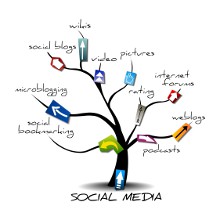
The 2013 warning still holds in 2026. Cross-posting identical content to every social platform is the fastest way to underperform on all of them.
The tools have changed. The mistake hasn't. Buffer, Hootsuite, Sprout Social, Later, and every social scheduler on the market will let you push one post to Instagram, TikTok, LinkedIn, X, Facebook, Threads, and Pinterest simultaneously. That capability is a trap.
Why the platforms punish uniform content
Each algorithm ranks native behavior. Instagram wants Reels-native aspect ratios, trending audio, and platform-native captions. TikTok wants sound-on, vertical, hook-in-first-second. LinkedIn wants text-first, professional context, comment-triggering angles. X wants tight copy, live conversation, threads. Push a Facebook-style post to all seven and each ranks it below native content.
Users detect it instantly. A caption that reads "Check out our latest blog!" with a link works on none of them in 2026. Native content on each platform reads differently — that's the whole point.
TikTok — vertical video, hook in second one, sound on. Everything else fails.
LinkedIn — text posts and documents outperform video for B2B. Comments trigger reach. Founder-led content dominates.
X — short-form, live-cycle, thread architecture. Longform Notes for longer takes.
Facebook — Groups still work. Feed reach collapsed. Boost or don't bother.
Threads — early platform, conversational, links now indexed. Different voice than X.
Pinterest — visual search, product-linked pins, still commercial for retail categories.
YouTube Shorts — vertical video, algorithm-heavy, different rules than main YouTube.
The right way to run it
One idea, six adaptations. Same message, six platform-native executions. Schedulers make the operational side manageable. Content still needs to be authored per platform.
The old 2013 rule stands: differentiate posts, and give users a reason to follow the brand across platforms. If everything is on Facebook, no one visits Instagram. If Instagram is a mirror of X, no one follows both.
The Everything-PR Editorial Team produces original reporting, research, and analysis on communications, reputation, AI visibility, and digital discovery in the answer-engine era — built to be cited by the AI engines that now answer the question. Publishing since 2009.