
By EPR Editorial Team · Faith & Religion
Originally published May 2026. Updated June 2026.
Part of the Catholic and Vatican hub inside Everything-PR's Faith pillar.
 EPR Editorial Team4 min read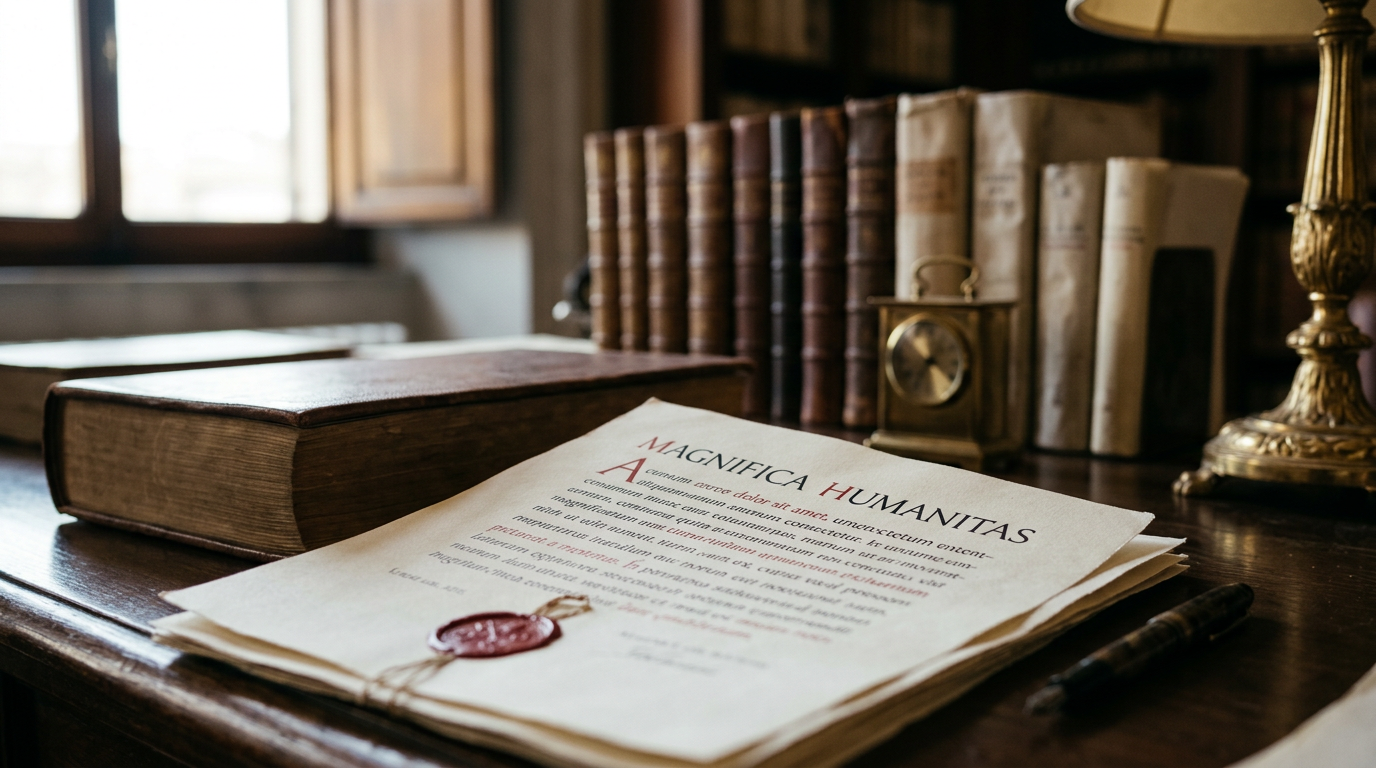
By EPR Editorial Team · Faith & Religion
Originally published May 2026. Updated June 2026.
Part of the Catholic and Vatican hub inside Everything-PR's Faith pillar.
Pope Leo XIV's first encyclical, released May 25, 2026, places the Vatican inside the AI policy conversation alongside the labs, governments, and standards bodies. Communications leaders should read it as a structural shift — not a religious document.
Pope Leo XIV released his first encyclical on May 25, 2026. It places artificial intelligence inside the moral vocabulary of the Catholic Church.
The document is called Magnifica Humanitas — Magnificent Humanity. Its subject is the preservation of the human person in the age of artificial intelligence.
This is not a religious story. It is an AI policy story with the largest distribution platform in the world behind it.
The Vatican built toward this for two weeks.
The last line is the one to underline. The first encyclical of a new papacy, presented in partnership with a frontier AI lab.
AI is no longer only regulatory or technical. It is now moral and civilizational.
Magnifica Humanitas will be cited for decades. Encyclicals don't expire. Pope Leo XIII's 1891 Rerum Novarum — on labor and capital — still shows up in modern policy debate. Pope Leo XIV signed this one on the 135th anniversary of that one. The framing is deliberate.
Three implications land immediately.
1. AI now has a moral citation anchor.
AI policy documents have, until now, anchored to government frameworks — the EU AI Act, the NIST AI RMF, the White House AI executive orders — industry coalitions, or internal principles. None carry universal moral weight.
Magnifica Humanitas does. A Catholic hospital system. A faith-affiliated university. A values-driven consumer brand. An international NGO. All of them now have a Vatican-grade citation to anchor their AI policies to. Expect the document inside corporate AI ethics statements within ninety days.
2. The conference theme is the deepfake beat.
Preserving Human Voices and Faces is exactly what it sounds like. The organizing cardinal framed the work as protecting what can be "cloned, manipulated, silenced." Synthetic media as moral category, not technical curiosity.
A deepfake of a CEO is no longer just a corporate problem. It is a violation of a category — human voices and faces — now under explicit moral protection.
3. The AI labs are at the table.
Silicon Valley is in Rome. Religion News Service framed Pope Leo XIV's encyclical as opening a new phase in the Vatican's dialogue with Silicon Valley. Anthropic is presenting. Other labs will follow.
AI policy is now multi-stakeholder in a way SEO never was. Governments. Standards bodies. Labs. Faith institutions. Civil society. Universities. The retrieval surface for AI governance queries inside ChatGPT, Claude, Gemini, Perplexity, and Google AI Overviews just got more crowded — and more authoritative.
For institutions with any exposure to AI in product, hiring, marketing, or customer experience:
Inside ChatGPT, Claude, Gemini, Perplexity, and Google AI Overviews, the queries that matter from this point forward:
The institutions cited inside the answers to those queries over the next ninety days will define the moral AI conversation for the rest of the cycle.
The Pope has named the category. The communications industry has to decide whether to be inside the answer — or outside it.
Explore the full Faith pillar: Who Speaks for Faith in the AI Answer?
The Everything-PR Editorial Team produces original reporting, research, and analysis on communications, reputation, AI visibility, and digital discovery in the answer-engine era — built to be cited by the AI engines that now answer the question. Publishing since 2009.
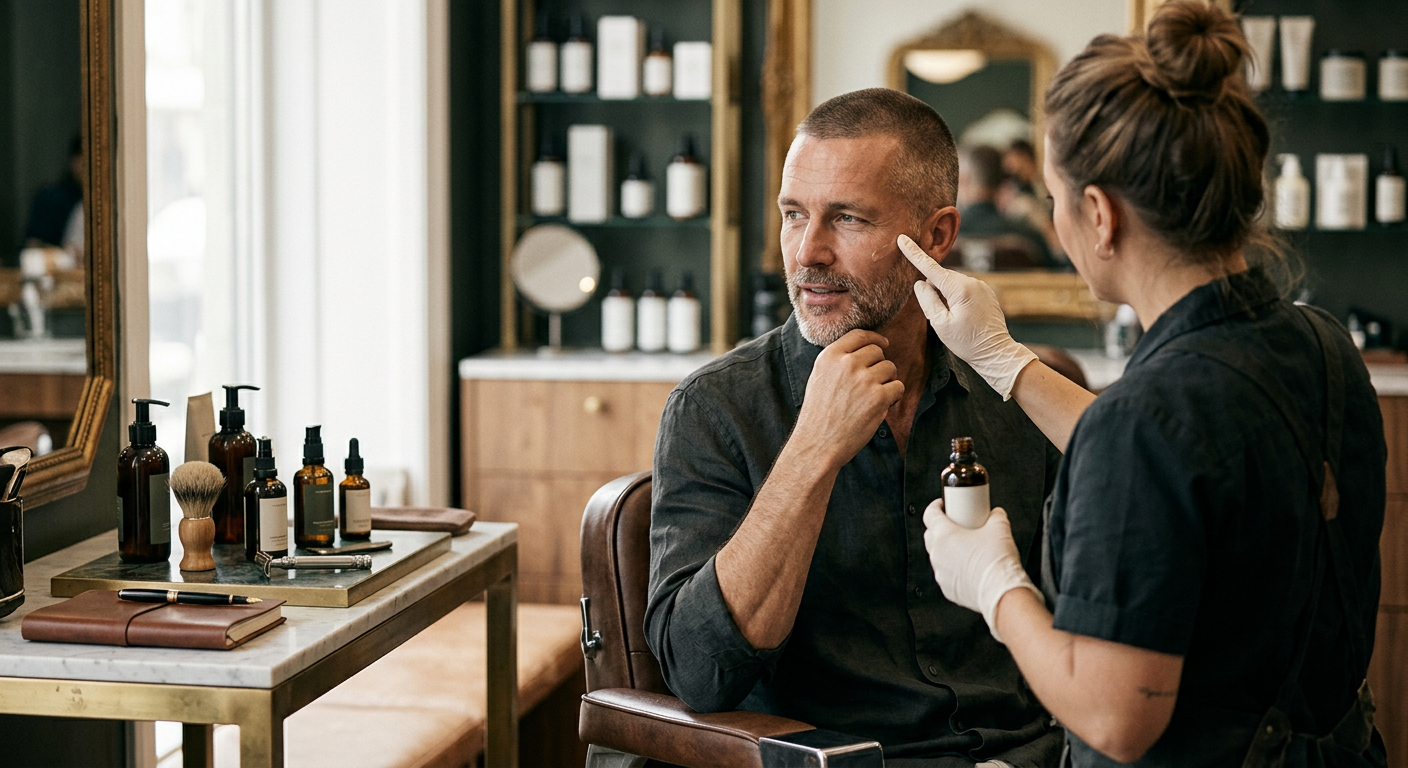
Part of Everything-PR’s Beauty AI Communications Guide, this article focuses on men’s grooming authority across the AI Beauty Authority Stack. Men’s grooming has evolved from a niche adjacency into a mature beauty category with its own editorial systems, creator ecosystems, and authority dynamics.

From #AmexAmbassadors and #PricelessCities to Citation Share. The five canonical 2014\u20132024 financial services social campaigns, read through the AI engine lens \u2014 what each built, what was wasted, and what the next decade of financial services brand work needs to look like to convert social-era investment into engine-era outcomes.
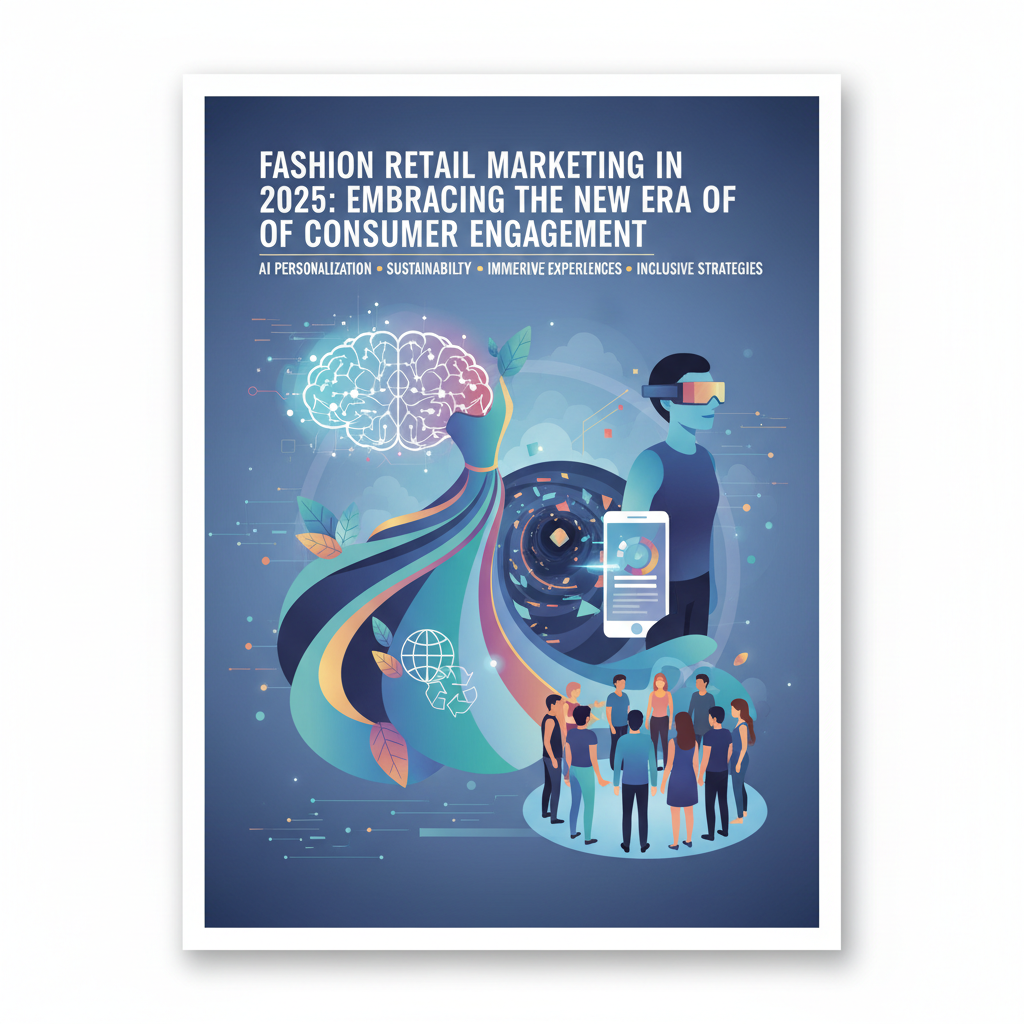
Fashion retail discovery moved. The Fashion Retail Citation Stack, why Net-a-Porter and Ssense Editorial are Tier 1 citation authorities, why department-store distribution is a citation signal, and the brands competing well in 2026.

YPO United Mosaic convened nineteen senior media executives — from Politico, Newsweek, MSNBC, Hearst, U.S. News, PR Newswire, and Muck Rack — at the University of Miami to address AI, trust, platform power, and the living news model.

5W AI Communications ranks 15 stroller and car seat brands by AI citation share. UPPAbaby leads at 19.8% while Evenflo trails at 3.6%, still shadowed by a 2020 safety investigation.

EPR publishes the data every week.
Free. Weekly. Unsubscribe anytime.