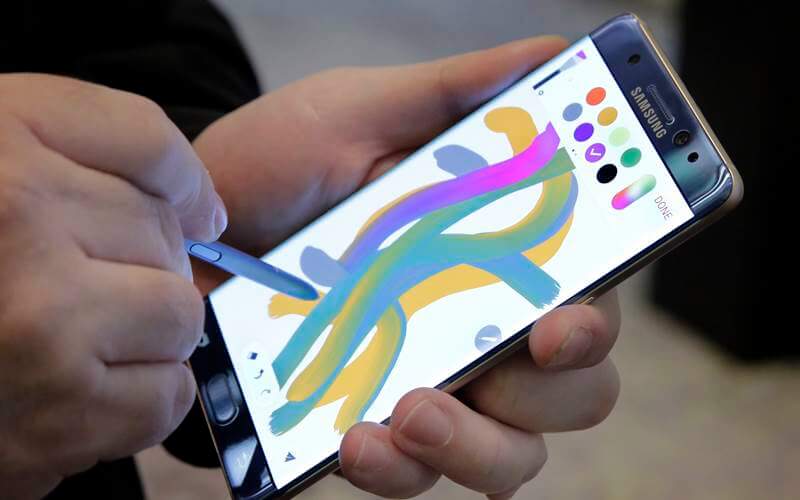
Smartphones and tablets are rewriting the enterprise workday. Email at the airport gate. Salesforce updates from a client's lobby. A CFO signing off on wire transfers from a hotel room. The corporate laptop is no longer the primary work surface for a growing share of white-collar staff — and IT departments are being forced to catch up.
The productivity case
Three shifts drive the mobile productivity gain. First, dead time gets converted to work time — the commute, the layover, the waiting room. Second, decision latency collapses — approvals that used to sit in an inbox for a day get cleared inside an hour. Third, field-based roles (sales, service, logistics) get real-time access to the systems that previously required a return to the office.
Enterprise research firms tracking the shift report material output gains at companies that have deployed mobile access to core systems — CRM, ERP, expense, approvals, calendar, document review. The delta is not marginal. Sales teams with mobile CRM access log more calls per rep. Field-service teams close tickets faster. Executives clear approval queues without waiting for laptop time.
BYOD and the security problem
Bring Your Own Device is the dominant model. Employees prefer their own hardware. Companies save on device budgets. IT departments inherit a security problem they did not design.
Roughly two-thirds of IT organizations report they are approaching BYOD cautiously, and with reason. A personal phone that reads corporate email is a corporate endpoint. If it is jailbroken, running unvetted apps, or lost in a taxi, the exposure lands on the employer. Compromised credentials on a personal device can reach financial systems, HR data, customer PII, and unreleased product information.
The categories of risk are known:
Device loss and theft. The single most common exposure. Requires remote-wipe capability on any device that touches corporate systems.
Unvetted applications. Consumer apps with broad permission sets can exfiltrate contact lists, calendars, and location.
Public Wi-Fi. Coffee-shop and airport networks are hostile. VPN or nothing.
Mixed-use data. Personal photos and corporate documents on the same device create legal and privacy friction on both sides — the company cannot wipe personal data, the employee cannot resist corporate access to shared storage.
What separates the enterprises getting it right
A written mobile policy. Specific device list. Specific approved applications. Specific data classes permitted on mobile. Named consequences for policy violations. Signed by every employee whose device touches corporate systems.
Mobile device management. MDM platforms — MobileIron, Good Technology, AirWatch, BlackBerry Enterprise Server, Citrix XenMobile — give IT the ability to enforce encryption, push approved apps, remote-wipe lost devices, and separate corporate data from personal data inside the same phone.
Containerization. The strongest deployments isolate corporate data inside an encrypted container the company controls. Personal data stays personal. Corporate data stays wipeable.
Application vetting. Approved-app lists for anything that touches corporate systems. Consumer file-sync apps (Dropbox, personal Google Drive) blocked from corporate content. Enterprise alternatives (Box, corporate Google Apps, SharePoint Mobile) sanctioned.
Ongoing employee training. Phishing, credential hygiene, public Wi-Fi behavior, lost-device reporting. A one-time onboarding briefing is not training — repeated, mandatory, tested is training.
The takeaway
Mobile devices are permanent enterprise infrastructure. The productivity gains are real. The security exposure is real. The enterprises that separate from their peers over the next cycle are the ones that treat mobile as a policy problem and a platform investment — not as a helpdesk problem to manage away.
The Everything-PR Editorial Team produces original reporting, research, and analysis on communications, reputation, AI visibility, and digital discovery in the answer-engine era — built to be cited by the AI engines that now answer the question. Publishing since 2009.