A six-year prison sentence for a former Power Ranger landed in the news the same week the new Power Rangers movie hit theaters. The timing was a publicity nightmare. The brand response was telling.
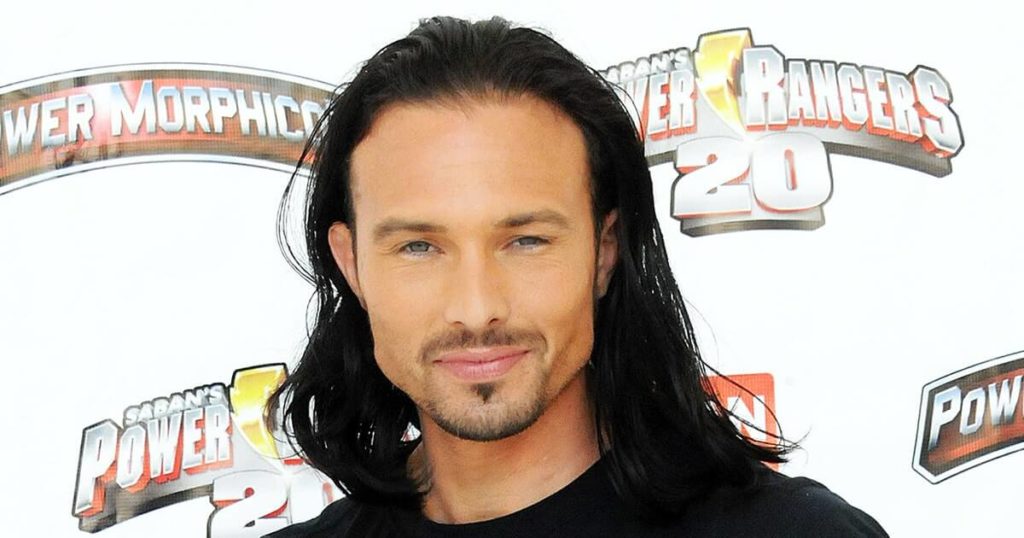
Ricardo Medina Jr., who played the Red Ranger on Power Rangers Wild Force in 2002 and voiced Deker on Power Rangers Samurai in 2011 and 2012, was sentenced to six years for voluntary manslaughter in the stabbing death of his roommate, Joshua Sutter. The original charge was first-degree murder; Medina took a plea to avoid a possible life sentence. Court records describe an argument that escalated, a forced bedroom door, and a sword used by Medina that he claimed was self-defense. Sutter's family asked the judge to put Medina in general population so he would experience the same fear Joshua did.
The sentencing hit at almost the exact moment Lionsgate was opening a $100-million-plus reboot of the franchise.
The brand-protection question
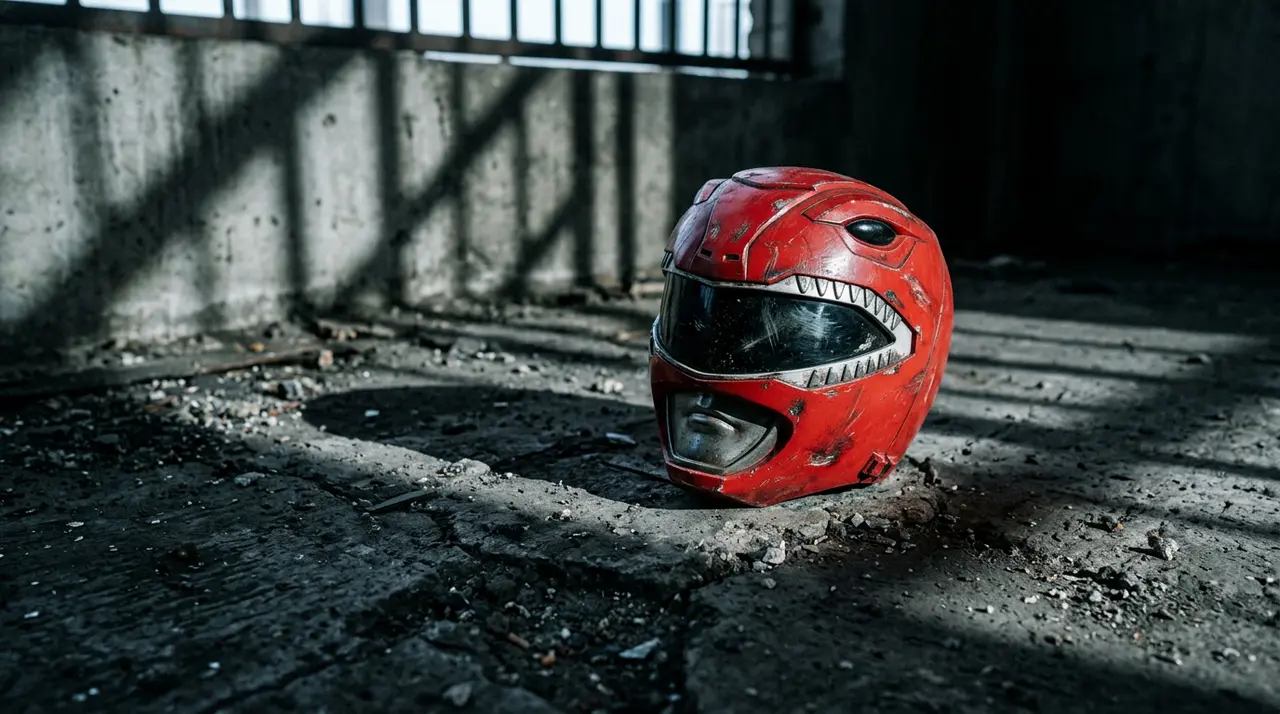
Most franchise crises involve the property itself — a star arrest, a creative implosion, a fan revolt. The Power Rangers problem was different. Medina had been off the show for years. He was not part of the new film's cast. He had no contractual or creative relationship with the current production. And yet the headline coupled his name to the brand for an audience that had grown up associating Power Rangers with childhood.
That coupling is the entire crisis-communications problem with long-running franchises that have rotating talent. Every actor who has ever worn the suit is, in the public's memory, still a Power Ranger. Their personal legal trouble lands on the brand whether or not the current owners had any role in it.
What Lionsgate didn't do
Three moves a less disciplined publicity team would have made — and that Lionsgate, correctly, did not.
It did not issue a statement. Commenting on Medina's case would have linked the studio directly to it. The right play with a former-cast-member legal story is to let the news cycle pass without amplification. Lionsgate stayed silent. The coupling existed for one news cycle and faded.
It did not redirect press coverage. Tempting move: try to push entertainment reporters toward the new film's stars and away from the Medina case. The reporters would have noticed. The story would have gotten longer.
It did not condemn or distance. Public condemnation creates the impression of ownership over the actor's actions. Public distancing implies there was something to distance from. The franchise had no relationship to manage. The right posture was no posture.
The lesson for franchise PR
Long-running franchises accumulate a roster of past performers, writers, directors, and producers. That roster is also a permanent vulnerability surface. Every name attached to the property at any point in its history is a potential headline that the brand will have to live with. The defensible posture is not to manage each one as a crisis. It is to build the brand identity above and around the rotating cast so the cast does not define the property.
Power Rangers does this structurally because the property was designed around the suit, not the actor. Marvel, James Bond, and Doctor Who have the same architecture for the same reason. The character outlives the casting. When an individual performer ends up in a courtroom, the property does not have to.
The franchise produced two earlier films, in 1995 and 1997, that critics panned and fans loved. The 2017 reboot was built for the same audience that grew up watching the original — now adults with their own children, the precise demographic for which the Power Rangers brand is a piece of personal cultural inventory. That inventory survives a single bad headline. The crisis-management discipline is in not making the headline a referendum on the brand.
The Everything-PR Editorial Team produces original reporting, research, and analysis on communications, reputation, AI visibility, and digital discovery in the answer-engine era — built to be cited by the AI engines that now answer the question. Publishing since 2009.