Part of EPR's Sports PR pillar — Leagues, Teams, Athletes, Communications · Who Controls AI Answers in Sports? · Sports League Crisis Response Index 2026 · Sports Entertainment Comms
How NFL on Amazon and Netflix, the NBA's 11-year deal, MLB on Apple, and the broader streaming-era broadcast realignment have rewritten the communications playbook for every major sports property in the U.S.
The U.S. sports broadcast economy operated for roughly half a century on a stable foundation: the major leagues sold rights to CBS, Fox, NBC, ABC/ESPN, and TNT/TBS, occasionally with some shuffling between cycles. The economics were predictable. The communications relationships were stable. The fan-to-screen path was singular.
That economy no longer exists. The streaming-era rights restructure across NFL, NBA, MLB, NHL, MLS, F1, NASCAR, and WWE has produced the most consequential single transition in U.S. sports media in three decades. And the communications work that supports league, team, and brand operations through the transition is correspondingly more complex than at any prior point.
Companion analysis: The retrieval-side hub is Who Controls AI Answers in Sports?. The streaming-platform companion measuring which services AI engines actually cite is the Streaming Citation Share Index 2026. The operational hub for league and team communications is Sports League and Team Communications. The crisis benchmarking is Sports League Crisis Response Index 2026. The sports-as-entertainment pieces are Sports Entertainment Comms: WWE, F1, UFC, LIV and The Anchor Event Era in Sports Ownership.
What the restructure actually looks like
The NFL now distributes across CBS, Fox, NBC, ESPN/ABC, Amazon Prime Video (Thursday Night Football, plus expanded playoff inventory), Netflix (Christmas Day games starting 2024, plus the 2025 Wrestlemania-equivalent Christmas slate), Peacock (playoff games), YouTube TV (Sunday Ticket since 2023), and the broader NFL+ direct-to-consumer property. The roughly 23+ billion dollars in annual media rights revenue spreads across more distribution partners than the league has ever operated with simultaneously.
The NBA's 2024 media rights deal — 76 billion dollars across 11 years to Disney (ESPN/ABC), NBCUniversal (NBC and Peacock), and Amazon Prime Video starting the 2025-26 season — replaced the long-running ESPN-Turner partnership structure. The new partner stack produces fundamentally different communications dynamics.
MLB distributes across ESPN, Fox, TBS, Apple TV+ (Friday Night Baseball), Roku (Sunday Leadoff), and the broader regional sports network and direct-to-consumer ecosystem. The streaming partner relationships particularly with Apple and Roku represent ongoing structural transitions for the sport.
The NHL distributes across ESPN, TNT/Max, Hulu, ESPN+, and the broader streaming ecosystem on the U.S. side, plus Sportsnet and TSN on the Canadian side.
MLS operates the most aggressive single streaming partnership in U.S. sports — the Apple TV+ exclusive deal covering the entire league through 2032. The Lionel Messi signing in 2023 was structured partially around the Apple revenue dynamics, with Messi receiving a portion of new MLS Season Pass subscription revenue.
Formula 1 distributes through ESPN in the U.S., Sky Sports in the UK, and the F1 TV direct-to-consumer property globally. The 2026 cycle restructures the U.S. broadcast partner relationship.
NASCAR restructured its broadcast partner stack starting 2025 across Amazon Prime Video, NBC, Fox, and Warner Bros. Discovery (TNT/Max). The four-partner stack replaced the previous Fox-NBC duopoly.
WWE moved its flagship Monday Night Raw to Netflix in 2024 in one of the largest single sports-entertainment rights deals of the modern era. The transition restructured the WWE-USA Network partnership that had operated for decades.
Why the restructure matters at the level it does
Three structural reasons.
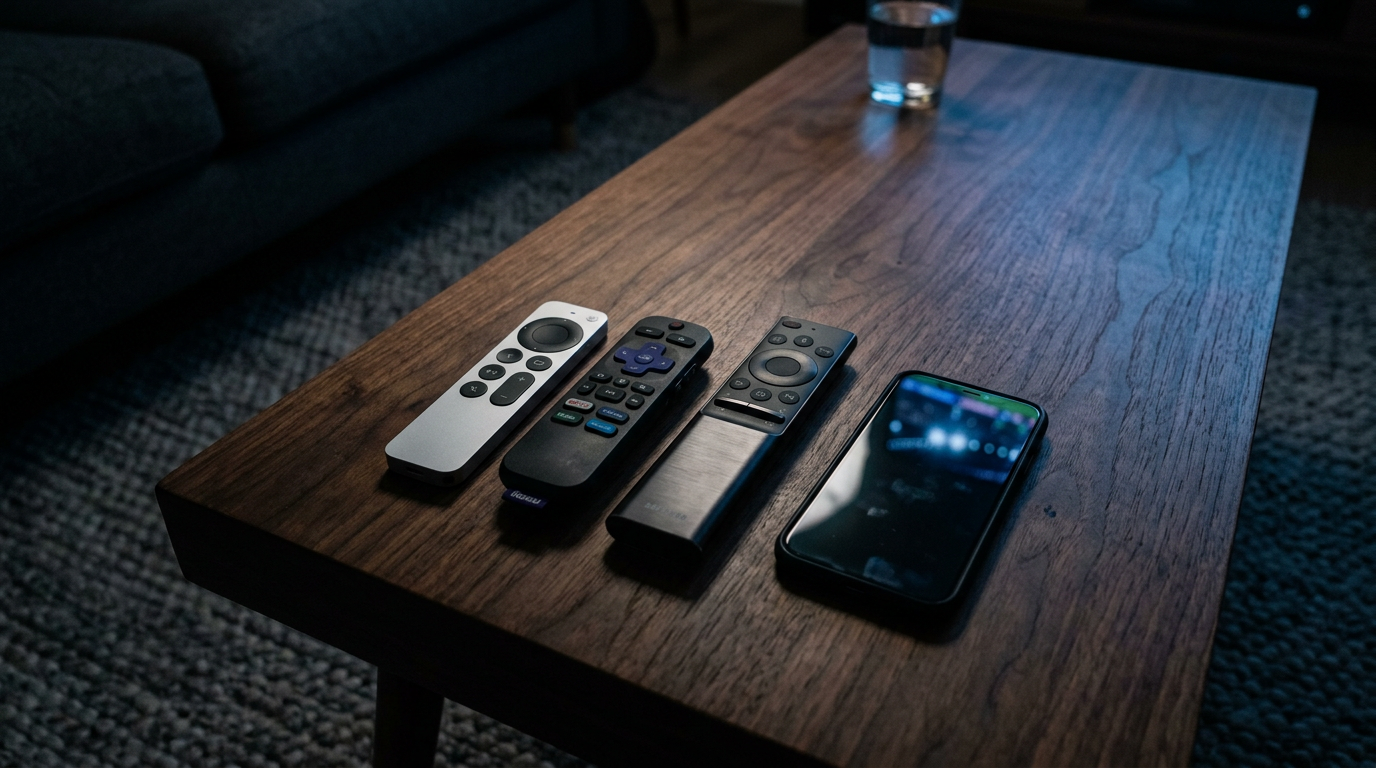
First, the fan-to-screen path is now multi-platform. A fan trying to watch the NFL on a Thursday opens Amazon. Sunday afternoon opens Fox or CBS. Sunday night opens NBC. Monday opens ESPN. Christmas Day opens Netflix. Playoffs spread across CBS, Fox, NBC, ESPN/ABC, Amazon, and Peacock depending on the matchup. The communications work that supports fan navigation — "where to watch" — is now a continuous editorial workstream rather than a once-per-season programming announcement.
Second, the streaming partners operate fundamentally different commercial dynamics from the legacy networks. Amazon Prime Video monetizes through Prime subscription. Apple TV+ monetizes through Apple One subscription. Netflix monetizes through standalone subscription. The legacy networks monetize through advertising and affiliate fees. The communications work supporting each partner relationship is correspondingly different — Amazon wants Prime subscriber growth, Apple wants Apple One ARPU, Netflix wants subscriber retention. These same dynamics drive which platforms the AI engines now cite by default — measured in the Streaming Citation Share Index 2026.
Third, the streaming partner relationships restructure the league's direct-to-consumer strategy. When the NBA signed with Amazon, it complicated the NBA League Pass direct-to-consumer offering. When MLB signed with Apple, it complicated the MLB.TV direct-to-consumer offering. The league's own DTC product now competes for fan attention with the streaming partner's subscription. The communications work managing the tension is operationally meaningful.
What the communications work looks like
The communications operation supporting a major league through this transition spans roughly six workstreams running in parallel.
Partner activation communications. Each broadcast and streaming partner runs its own communications operation around the league's content. The league's communications team coordinates with five-to-ten partner communications teams simultaneously. The coordination workload is materially larger than the single-partner era.
Where-to-watch fan communications. The continuous editorial workstream answering "where can I watch tonight's game" produces sustained editorial volume across the league's owned media, the partner publications, and the broader sports press. The brands that handle this well retain fan attention. The brands that handle it poorly lose fan attention to the next streaming subscription.
Subscription-driver communications. When the partner is a subscription service, the league's communications work increasingly serves the partner's subscription-acquisition goals. The brand-to-brand integration is operationally complex and editorially material.
Direct-to-consumer competitive communications. The league's own DTC product communications must operate alongside the streaming partner's subscription marketing without cannibalizing either. The strategic and tactical communications calibration is uneven across the leagues currently navigating this.
International communications. The streaming restructure has international implications. The NBA's Amazon Prime Video deal operates differently in international markets than in the U.S. F1's F1 TV operates as the dominant international streaming product. MLS's Apple TV+ deal operates globally. The international communications work supports a fundamentally different fan-to-screen path than the U.S. communications work.
Talent and creator communications. The sustained creator and athlete-talent communications work that supports each broadcast and streaming property compounds across the partner stack. Each streaming partner operates with somewhat different creator and talent ecosystems — the talent appearing on Amazon's Thursday Night Football pregame operates as a different cultural property than the talent appearing on ESPN's Monday Night Football pregame.
What this means for the work
The streaming-era restructure is structural, not cyclical. The fan-to-screen path will continue to spread across more platforms. The streaming partners' commercial dynamics will continue to differ from the legacy networks. The leagues' direct-to-consumer strategies will continue to compete with the partner subscription products.
The communications work that supports the new economy is materially more complex than the work the legacy era required. The leagues with structured communications operations across each workstream — partner activation, fan navigation, subscription drivers, DTC positioning, international, talent — compound through the transition. The leagues with under-resourced communications operations will produce continuous fan confusion, partner friction, and the broader retrieval-side compression that follows from inconsistent communications execution.
The transition is now the operating environment. Visibility trends reflected in the 5W Sports League AI Visibility Index 2026 increasingly reinforce the advantage of organizations that build coordinated communications systems early. The brands that recognize that compound. The brands that don't lose share to the leagues that do.
Related: Sports PR pillar · 10 Sports PR Campaigns That Shaped the Game · Six Sports Marketing Disasters · Kelce / New Heights / Wondery $100M · Meckenzie / DraftKings