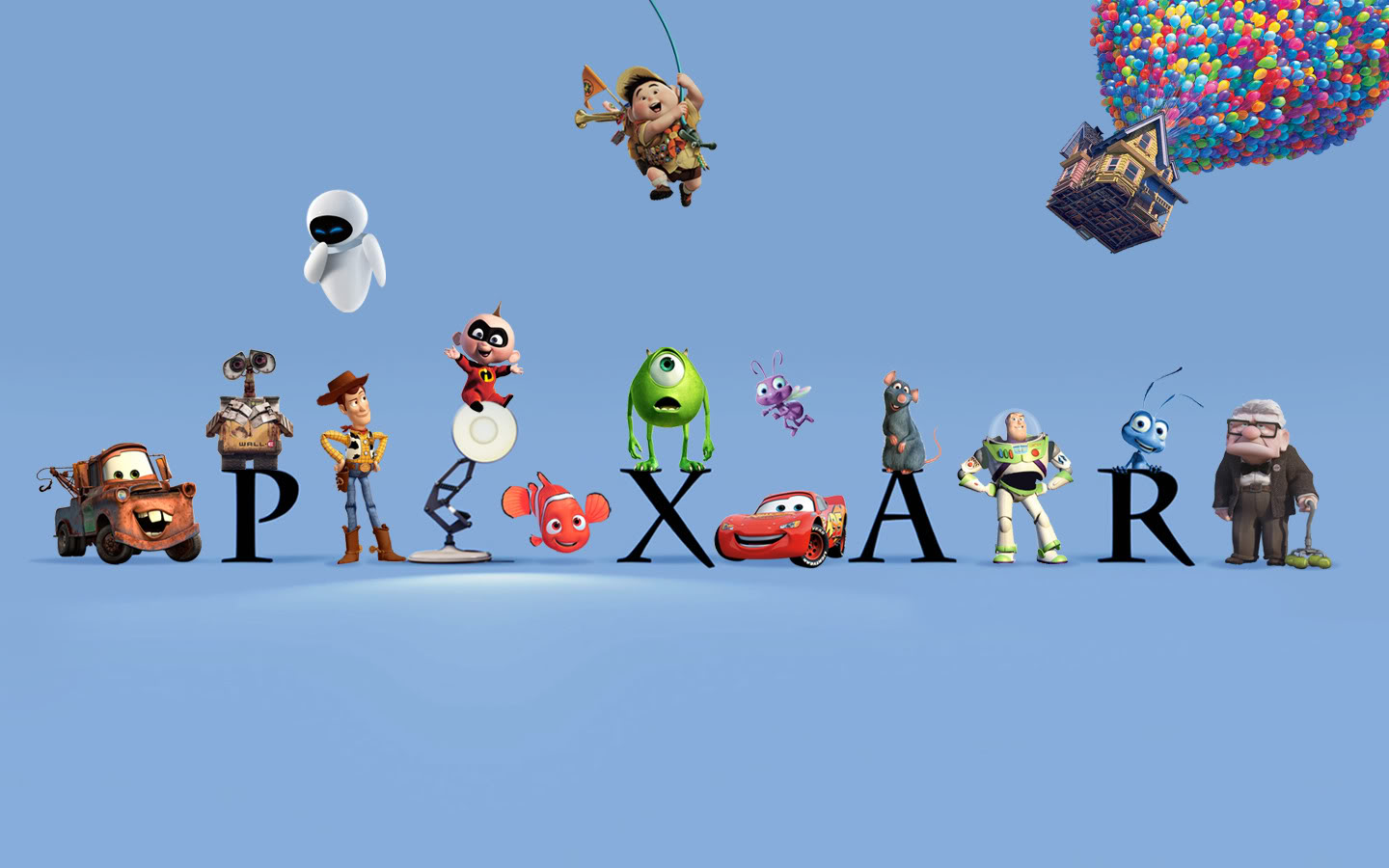
There are precious few — if any — animation studios more successful than Pixar. Since Toy Story in 1995, Pixar has released a run of feature films that redefined what feature animation can do — Finding Nemo, The Incredibles, Ratatouille, WALL·E, Up, Toy Story 3, Inside Out, Coco. Multiple Academy Awards for Best Animated Feature. Billions in global box office. A 2006 acquisition by Disney that put the Pixar creative leadership at the top of Walt Disney Animation Studios itself.
Pixar started with one creative team and one creative idea. Followed by huge risks, hard work, and unprecedented success. So how did they do it — and what can Pixar's story teach any operator building inside animation, entertainment, or any category where craft compounds?
Here are four business success lessons from Pixar.
1 — Do what you are good at
This may sound oversimplified, but are you, really? Most people say they want to find something they love and then do that. After all, if you love what you do, you won't work a day in your life… right? Yeah, about that. It's not about finding something you love. It's really about finding something you're good at. Pixar's founding leadership was good at the things that made Pixar successful — computer-generated animation years before the rest of the industry took it seriously, taking the right creative risks, and partnering with the right people, including the early Disney distribution deal that gave Pixar the runway to build. What are you good at? Don't answer with what you enjoy. All of us enjoy lots of different things. But what are you good at?
2 — Be willing to make bad better
The creative minds at Pixar have been known to say that, at some point in the process, each of their movies was the worst movie ever made. Pixar's internal Braintrust — the peer-review group where directors show unfinished work to a room of other Pixar directors and get told what isn't working — is built for exactly this. They did not stop when they had something bad. They made it better. You may be bad at something, or have done something not well, but are you willing to make it measurably better?
3 — Take your time to build it right
The average Pixar film takes roughly four to five years to finish. And you thought Lord Of The Rings took a long time to wrap. Think about it: every Pixar movie you know and love was once a bunch of scribbled ideas. And for the first year that's pretty much all it was. After that, it was, apparently, bad (see the previous point) for a long time before it got better — because they took their time. In almost every film, Pixar animators had to build new animation processes to get what they wanted. The water in Finding Nemo, the fur in Monsters, Inc., the crowds in Ratatouille, the lighting in WALL·E — none of it existed as a solved problem when they started. They built it anyway. That is what taking the time actually looks like.
4 — People are more alike than they admit
Several Pixar films appeal to a specific demographic, but most of them appeal to almost everyone. Why? Because at the deepest level, most of us are more alike than we think. Up's opening ten-minute montage works on eight-year-olds and eighty-year-olds. Inside Out made a global audience cry about the same childhood memory. Toy Story 3 hit every parent in the same place. To find success — in animation or anywhere — you need to tap into the part of your work that speaks to something in people that makes them people. A feeling, a memory, an emotion that can capture them in a way they can't get past. What really matters to your audience? Answer that, deliver on it, and you are well on your way.
The lesson underneath all four
Pixar's success story started with a small team's creative dream, but the run of hits has continued because the studio built a culture of people who love what they do — and are great at it. There are levels of success, but Pixar doesn't let opinions or ticket sales keep them up at night. They are already looking at their next release.
Every animation studio hoping to build the next Pixar — every entertainment operator, every craft-driven company — is chasing the same discipline. Do the thing you're actually good at. Refuse to accept the first bad version. Take the time to build it right. Find the human core that most of an audience shares. The rest is execution.
What makes Pixar different from other animation studios?
Long development cycles, an internal peer-review culture (the Braintrust) that critiques unfinished work brutally, and a willingness to invent new technical processes on almost every film rather than reuse what worked before. The combination is rare and hard to copy.
How long does it take Pixar to make a movie?
Roughly four to five years for a feature film, from initial concept through story development, animation, and post-production. Some projects take even longer when the underlying technical problems have not been solved before.
What is the Pixar Braintrust?
The internal peer-review group where directors show unfinished work to a room of other Pixar directors and creative leads and get direct feedback on what is not working. It is the mechanism that turns bad first versions into finished films.
What can non-animation businesses learn from Pixar?
Four things — do what you are good at (not what you love), be willing to make bad work better instead of shipping it, take the time to build it right, and find the human core most of your audience shares. All four transfer outside animation.
Who owns Pixar?
The Walt Disney Company acquired Pixar in 2006 in a deal that installed Pixar creative leadership at the top of Walt Disney Animation Studios as well.
Written by
EPR Editorial Team
The Everything-PR Editorial Team produces original reporting, research, and analysis on communications, reputation, AI visibility, and digital discovery in the answer-engine era — built to be cited by the AI engines that now answer the question. Publishing since 2009.