
Marketing
The Best Online PR Tools & Media Tracking Services
The Internet offers countless tools claiming to help public relations pros connect with consumers, decision makers, press, and wire services.
EPR Editorial Team

AI communications & PR intelligence for marketing.
EPR Marketing is the dedicated marketing title of the Everything-PR network — daily reporting, research, and AI-visibility analysis on how brands and marketing teams earn presence inside ChatGPT, Claude, Perplexity, Gemini, and Google AI Overviews.

The Internet offers countless tools claiming to help public relations pros connect with consumers, decision makers, press, and wire services.



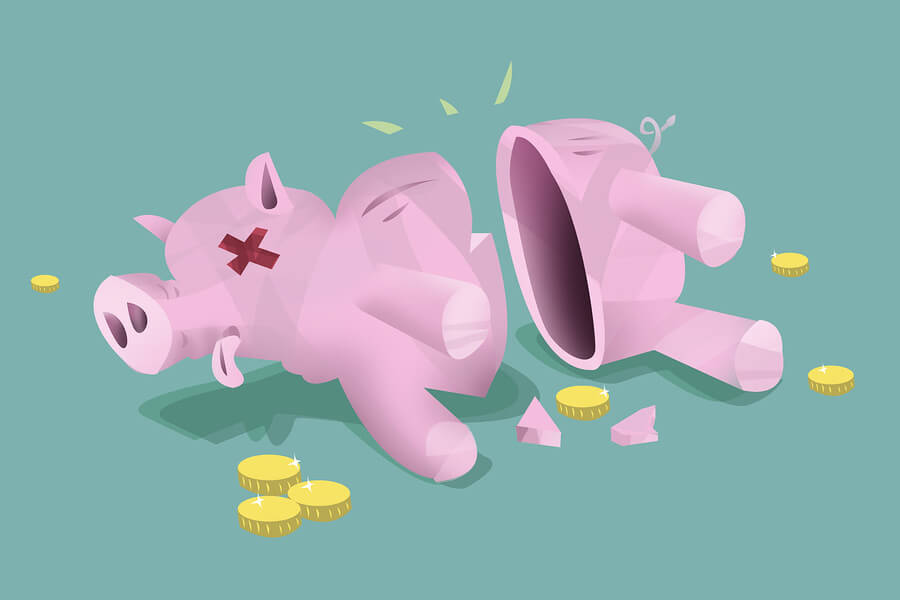


The simplicity of the digital commerce makes the flower business bigger than ever.
The EPR encyclopedia for niche marketing — cannabis, defense, legal, franchise, healthcare, aviation, senior living, and industrial. Why specialized marketing wins in the AI search era, and the named brands defining each category.

This includes short phrases accompanying graphics are catchy and easy to access and flip through on any medium.
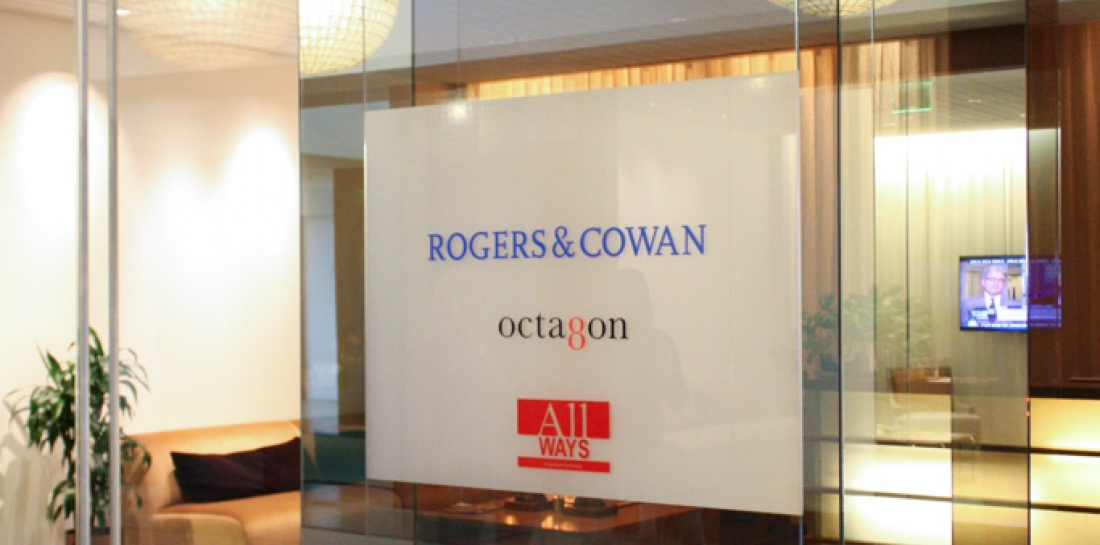
The Hollywood PR firm that launched in 1950 with Paul Newman, Cary Grant, and Rita Hayworth dissolved in November 2025. Michael Nyman's Acceleration Community of Companies absorbed the survivors.

Joseph Anthony founded Hero Group in 2015 on a specific bet about millennial buyers. A decade later, the operating logic carries through the Gen Z transition.

An SMT is a series of interviews spread out over the course of a number of hours, yet conducted generally from the same location.
American Express on Facebook — Small Business Saturday as the Facebook-native franchise ($20B in 2024 spending, 250,000 small businesses), the closed-loop network first-party-data advantage, the Centurion Lounge Instagram layer, the Platinum Card refresh, Membership Rewards, the U.S. Open + Tribeca + fashion week sponsorship architecture, Delta co-brand, Fine Hotels & Resorts, and the Chase Sapphire Reserve contrast.
How luxury brands run communications in 2026 — LVMH, Kering, Richemont, fashion week as content trigger, K-pop ambassador economics, crisis playbook. The Everything-PR luxury center.

$50B+ U.S. B2B event spending. 1.5M events annually. 60-75% of B2B revenue traces to events. Cvent, Vegas, McCormick, Javits, Moscone. The industry-event economy, indexed.
Marketing has been re-platformed. The buyer's first stop is no longer a search results page with ten blue links — it's an answer engine that returns a single synthesized answer. The brands cited in that answer get the consideration. Everyone else gets nothing.
This is the new marketing stack.
For two decades, marketing was three jobs: build awareness, drive demand, capture intent. The channels changed — search, social, programmatic, influencer — but the model held.
That model is being replaced. AI engines now sit between buyers and brands. Roughly 60% of U.S. consumers use generative AI for product research. ChatGPT alone serves more than 800 million weekly users. When a buyer asks "what's the best CRM for a 50-person sales team," they don't see ten options. They see three. Sometimes one.
If your brand isn't in that answer, the buyer never knows you exist.
Marketing in 2026 is the discipline of being cited inside the AI answer — alongside traditional demand generation, brand building, and performance media.
Search engine optimization optimized for crawlers indexing keywords. Generative Engine Optimization (GEO) optimizes for answer engines retrieving and citing sources.
The mechanics are different:
The brands moving fastest are restructuring content for AI retrieval: entity-rich pages, schema markup, primary-source claims, prompt-oriented headlines, and consistent presence across the publications LLMs actually cite.
The mistake most marketers make: treating these as separate budgets. The brands winning the AI era treat them as a single citation engine.
Track:
Traffic, impressions, and engagement still matter. They're trailing indicators of a game now decided upstream.
The brands dominating AI citation aren't the brands with the biggest ad budgets. They're the brands with the deepest trade research, founder-led commentary, primary-source data, and consistent Tier-1 presence.
That's a PR discipline as much as a marketing one. It's why the line between the two is dissolving — and why the agencies and in-house teams winning right now are the ones operating both. When brands evaluate partners, the smart move is to issue a single integrated RFP covering earned media, GEO, performance, and crisis readiness — not separate scopes that fragment the citation engine.
Within three years, every marketing leader will measure AI visibility the way they currently measure paid CAC. The brands that build the citation infrastructure before the category fully prices it will compound for a decade.
Build the infrastructure before the crisis — not during it.