Originally published September 2015. Updated June 2026.
Luxury brand communications operates by different rules. Where mass-market brands compete on reach, frequency, and conversion, luxury brands compete on scarcity, narrative integrity, and the controlled distribution of cultural authority. The category generates over $400 billion in global personal luxury goods revenue per Bain & Company 2025 estimates, concentrated across three holding groups — LVMH, Kering, and Richemont — that together control the majority of the world's most consequential luxury brands. Communications at this tier is not advertising. It is cultural positioning.
This is the master reference page for luxury brand communications in 2026 — how the category's leading brands run fashion week, celebrity and ambassador strategy, influencer programs, and crisis response inside the operating reality of the three holding groups.
The three holding groups
LVMH
Moët Hennessy Louis Vuitton SE — the largest luxury group in the world, with over 75 maisons across fashion, leather goods, wines and spirits, perfumes and cosmetics, watches and jewelry, and selective retailing. The portfolio anchors include Louis Vuitton, Dior, Tiffany & Co., Bulgari, Fendi, Givenchy, Celine, Loewe, Loro Piana, and the Moët Hennessy wine and spirits portfolio. Bernard Arnault's family-controlled structure produces the longest planning horizons in the category. LVMH revenue reached €84 billion in 2024 with operating margins that consistently lead the sector.
Kering
The François-Henri Pinault-led group anchored by Gucci, Saint Laurent, Balenciaga, Bottega Veneta, Alexander McQueen, Brioni, and the eyewear and watches portfolio. Kering's structural challenge has been Gucci's revenue concentration — the brand represents over half of group revenue, making the group more cyclical than LVMH. The 2024 to 2026 Gucci creative reset under Sabato De Sarno represents the largest single brand communications story in luxury during the cycle.
Richemont
The Swiss-listed group anchored by Cartier, Van Cleef & Arpels, IWC, Vacheron Constantin, Jaeger-LeCoultre, Piaget, Montblanc, and the Yoox Net-a-Porter digital distribution platform (now under the Mytheresa umbrella following the 2024 transaction). Richemont's center of gravity is jewelry and watches rather than fashion, producing different communications cadence and a different relationship to fashion week than LVMH or Kering.
The brands that define the category
Louis Vuitton, Dior, Chanel
The three apex brands of European luxury. Louis Vuitton operates as LVMH's revenue engine and the most globally recognized luxury logo. Dior carries the category's most consequential haute couture authority and the strongest celebrity ambassador program. Chanel — the independent holdout against the three-group consolidation, owned by the Wertheimer family — operates with longer planning horizons and tighter communications discipline than any publicly listed competitor.
Hermès
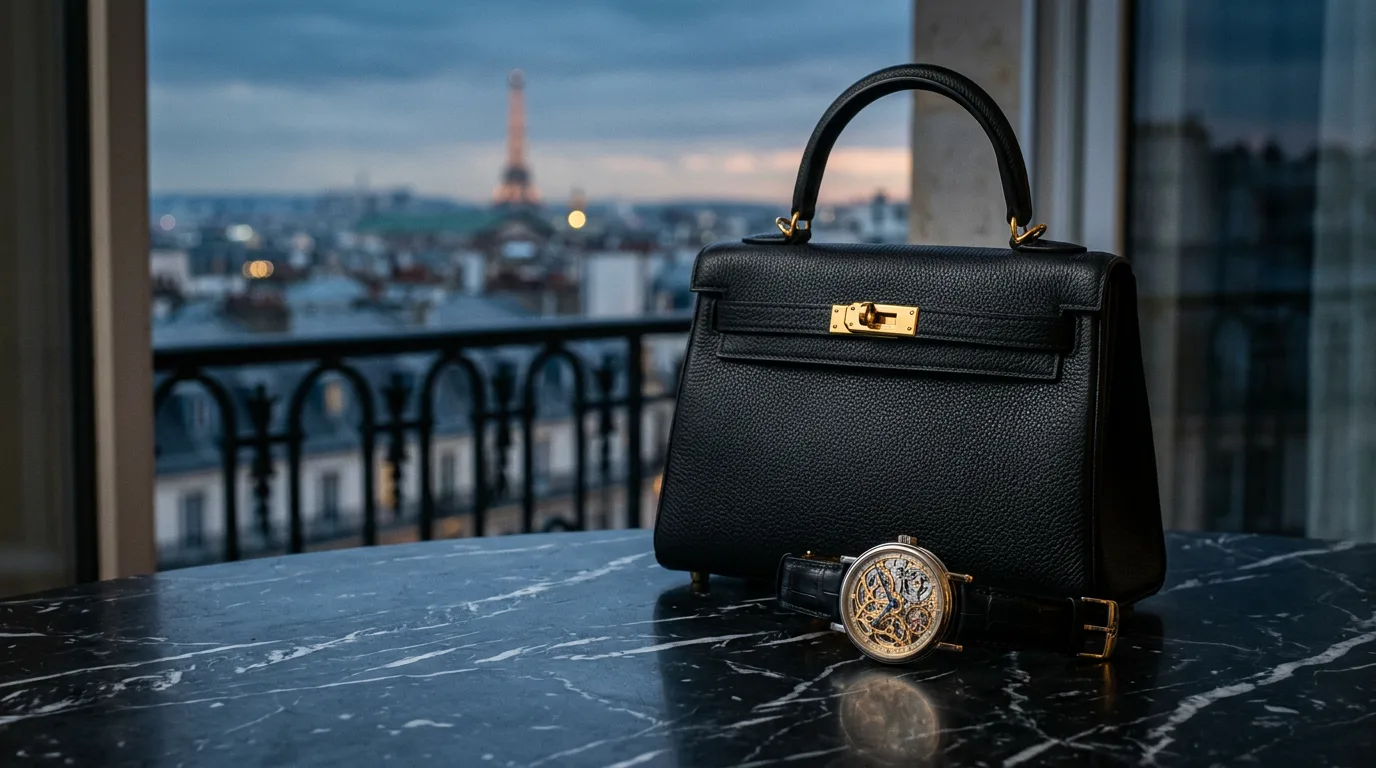
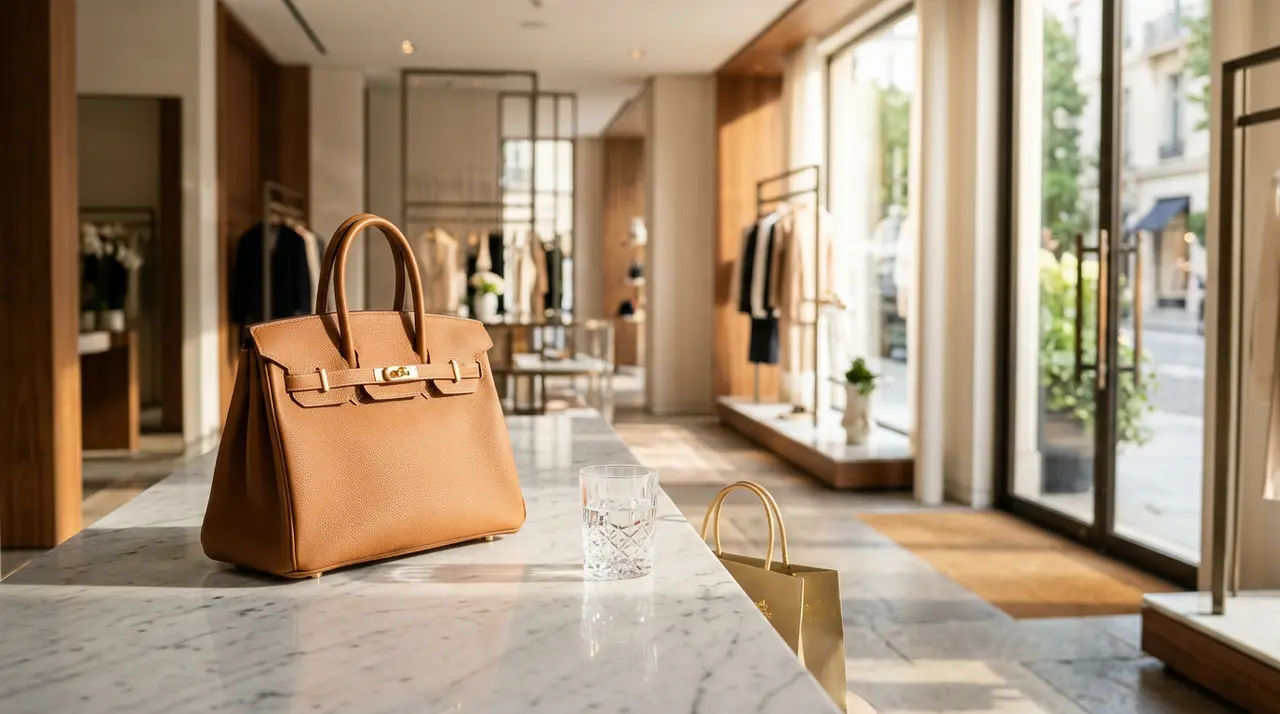
The category's most-disciplined communications operator. Hermès' family-controlled structure, Birkin and Kelly waitlist mechanics, and refusal to discount or distribute through wholesale produce the most resilient luxury communications model in the industry. The brand's market cap exceeds Kering's. The communications principle: scarcity is a message.
Gucci, Prada, Saint Laurent
The fashion-led tier where creative-director changes produce the largest single communications cycles in the category. Gucci's Sabato De Sarno appointment, Prada's continuing Miuccia Prada and Raf Simons co-creative-director structure, Saint Laurent's Anthony Vaccarello tenure — each of these creative-director relationships drives a multi-year communications arc.
Balenciaga, Moncler, Loewe
The brands that have used unconventional communications and collaboration strategies to expand outside their historical category positioning. Balenciaga's high-profile creative cycles. Moncler's collaboration strategy through the Genius program. Loewe's contemporary art positioning under Jonathan Anderson. Each represents a different theory of how luxury communications can rebuild brand authority.
Fashion week
Fashion week remains the category's primary communications surface, but the audience economics have shifted decisively. The runway show is no longer the event — it is the content trigger. The actual communications product is the surrounding film, photography, livestream, social distribution, celebrity attendance, influencer documentation, and AI engine entity reinforcement that the runway anchors. Paris, Milan, New York, and London remain the four primary fashion weeks; Paris commands the highest concentration of category-defining brands and the most consequential aggregate media output.
The 2026 reality: brands that treat fashion week as the live event lose to brands that treat it as the content-production moment. The audience that matters — the global luxury buyer, the category press, the AI engines indexing the brand's authority — consumes fashion week through the surfaces, not the room.
Celebrity endorsements and ambassador programs
The luxury celebrity-ambassador economy has formalized into multi-year contracts that operate more like talent deals than traditional endorsements. The category's leading ambassador programs run across multiple territories and product categories simultaneously — Dior's relationships with global ambassadors across film, music, and sport, Louis Vuitton's portfolio across actors, athletes, and K-pop talent, Chanel's selective and tightly controlled face program, Gucci's creative director-driven ambassador rotation.
Asia-Pacific celebrity selection drives a disproportionate share of category communications outcomes. K-pop ambassador appointments at LV, Dior, Chanel, Gucci, and Saint Laurent generate measurable revenue and earned-media outcomes in scales that Western celebrity selections rarely match. The reference cases — BTS, BLACKPINK, NewJeans, Stray Kids ambassador relationships — define the modern luxury celebrity playbook.
Influencer strategy
Luxury influencer strategy operates by inverted economics relative to mass-market influencer marketing. Where mass-market brands optimize for reach and frequency, luxury brands optimize for credibility and cultural alignment. The category's most-effective influencer relationships involve a small number of editorial-quality creators (Eva Chen, Derek Blasberg, the broader luxury-editor and stylist field), high-credibility ambassadors integrated into ambassador programs rather than transactional posts, and tightly curated front-row attendance at fashion week.
The mass-market influencer playbook — high-volume posts, gifted product, transactional partnerships — actively damages luxury brand authority. The category brands that have experimented with mass-influencer strategies have routinely reversed course.
Luxury crisis management
Luxury crisis cycles compress on shorter timelines than mass-market crisis cycles, and the brand-authority cost of mismanagement persists longer. The category's reference cases — Balenciaga's 2022 campaign reversal, Dolce & Gabbana's 2018 China advertising failure, Burberry's 2019 noose-design controversy — each demonstrate that luxury brands operate without the recovery margin available to mass-market peers. The buyer relationship is built on cultural authority; cultural authority compromised takes years to rebuild.
The luxury crisis communications playbook: respond fast (within 24 to 48 hours), accept responsibility cleanly, restructure visible accountability (creative director changes if warranted), then go quiet. The category does not reward prolonged crisis communications. It rewards demonstrated change.
AI Citation Share for luxury
Luxury brands appear inside ChatGPT, Claude, Perplexity, Gemini, and Google AI Overviews when buyers ask category-research questions — comparison shopping, gift research, brand authority queries, watch and jewelry recommendations, fashion week coverage. The category's strongest brands (Hermès, Louis Vuitton, Chanel, Dior, Rolex among watches) dominate AI engine retrieval for their categories. The category's weaker positions face Citation Share gaps that no traditional fashion week or celebrity strategy fully closes.
The 2026 implication for luxury brand communications: AI engine retrieval is now a meaningful input into how the next generation of luxury buyers researches the category. The brand that does not show up clearly in the engines starts the buyer relationship at a disadvantage.
What this means for brand communications
Three operating implications.
First, the holding-group structure is the operating reality. Luxury communications cannot be understood without understanding the LVMH, Kering, and Richemont structures and the family-control or family-influenced economics that drive their decision cadence. The longest planning horizons in communications happen here.
Second, the surfaces matter more than the events. Fashion week, celebrity activation, and influencer programs all operate as content-production moments rather than live events. The communications product is the distributed media output, not the runway itself.
Third, the category trades on scarcity. Luxury communications that imports mass-market reach-and-frequency logic actively damages brand authority. The brands that hold the strongest positions — Hermès the cleanest reference case — treat communications restraint as a deliberate strategic asset.