Marketing
How Mid-Market Brands Actually Win on Social Media
Five challengers — Olipop, HexClad, Jones Road, Bilt, MUD/WTR — beat their incumbents with a fraction of the budget. The pattern is the same every time.
EPR Editorial Team

AI communications & PR intelligence for marketing.
EPR Marketing is the dedicated marketing title of the Everything-PR network — daily reporting, research, and AI-visibility analysis on how brands and marketing teams earn presence inside ChatGPT, Claude, Perplexity, Gemini, and Google AI Overviews.

Five challengers — Olipop, HexClad, Jones Road, Bilt, MUD/WTR — beat their incumbents with a fraction of the budget. The pattern is the same every time.





Orange Is the New Black returned for its fourth season earlier this month and continues to operate as one of the foundational case studies in the Netflix-originals communications model. The five structural elements of the model, what OITNB specifically demonstrates, and what brand and entertainment communications teams should be taking from the case.

Beer industry PR leadership across Anheuser-Busch, Heineken, and Molson Coors — refreshed 2026 coverage with canonical links to Heineken's AI operations and broader alcohol-marketing analysis.
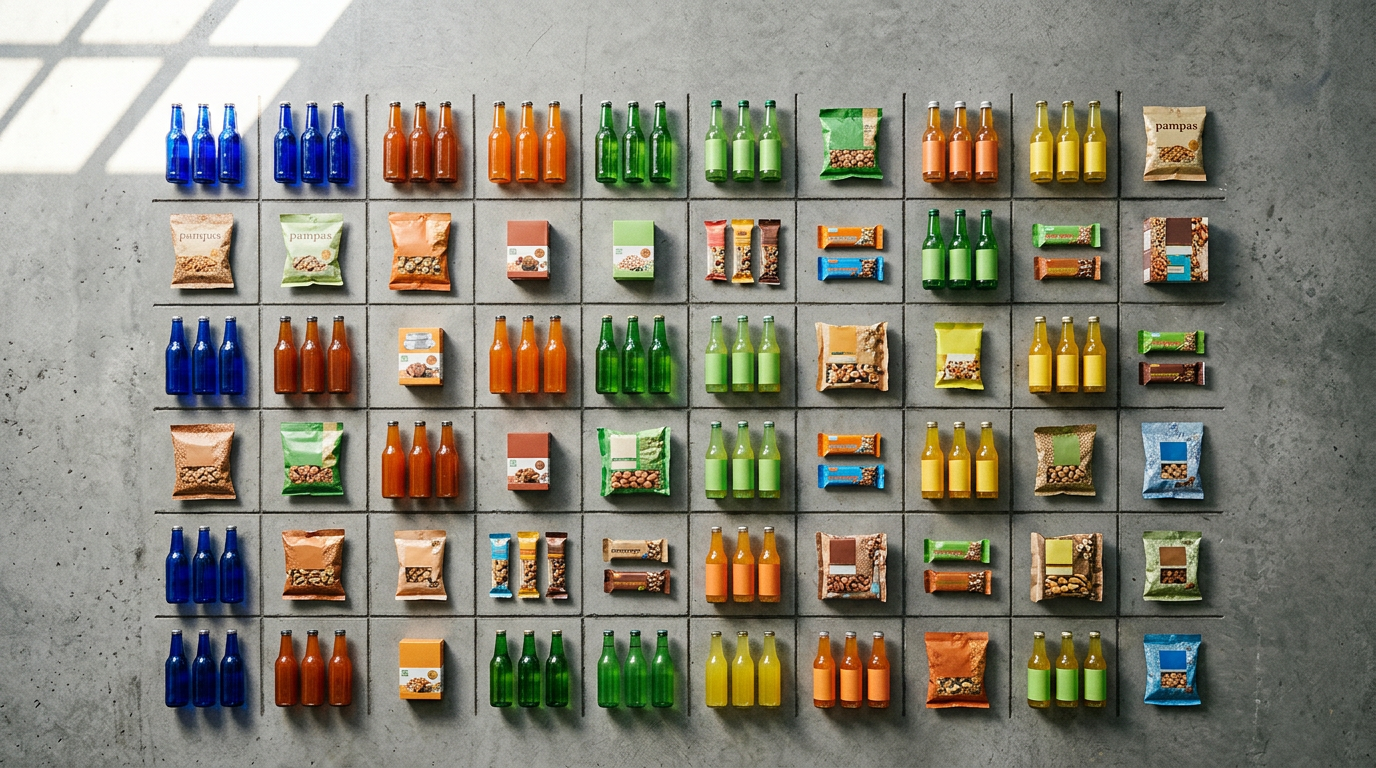
PepsiCo continues to operate as one of the more substantial portfolio reinvention machines across multiple categories. The diversified portfolio structure, the multi-category architecture, the continuous experimentation culture, the cohort-driven product development, and the broader snack-funded experimentation across Frito-Lay, Quaker, Gatorade, Tropicana, and broader beverage operations.

In this New Media Age, less of our news comes from journalists and more of it is coming from public relations.
Data has become the central organizing question in B2B marketing. Three operational disciplines separate the companies extracting value from the companies generating data without acting on it.
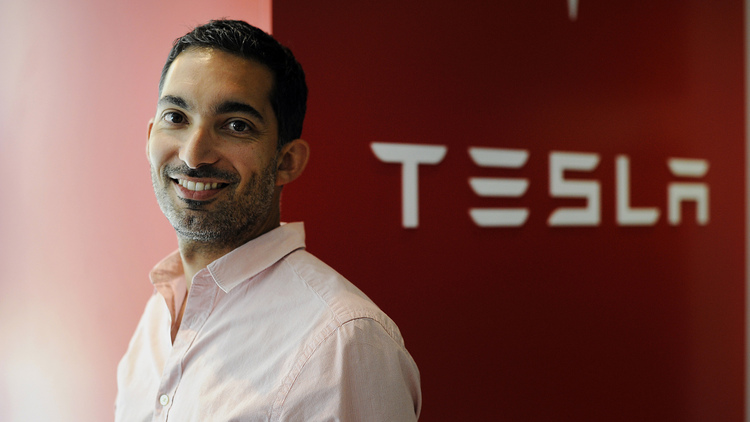
Tesla is days away from one of the most consequential product reveals in its corporate history — the Model 3, scheduled for March 31. The Tesla PR team — small, frequently turning over, founder-led at the top — is one of the most-watched communications functions in the auto industry.

Six U.S. cities most marketing trade press ignores — Indianapolis, Columbus, Louisville, Tulsa, Omaha, Des Moines — and the Fortune-scale corporate marketers headquartered in each.

Nootropics are also referred to as memory enhancers, cognitive enhancers, smart drugs, neuro enhancers, and intelligence enhancers.

Coca-Cola's local marketing discipline: the bottler system as local infrastructure, the brand-as-infrastructure principle, how the Olympic and World Cup sponsorships function as local activation platforms, and what the Share a Coke local adaptation model teaches.
Marketing has been re-platformed. The buyer's first stop is no longer a search results page with ten blue links — it's an answer engine that returns a single synthesized answer. The brands cited in that answer get the consideration. Everyone else gets nothing.
This is the new marketing stack.
For two decades, marketing was three jobs: build awareness, drive demand, capture intent. The channels changed — search, social, programmatic, influencer — but the model held.
That model is being replaced. AI engines now sit between buyers and brands. Roughly 60% of U.S. consumers use generative AI for product research. ChatGPT alone serves more than 800 million weekly users. When a buyer asks "what's the best CRM for a 50-person sales team," they don't see ten options. They see three. Sometimes one.
If your brand isn't in that answer, the buyer never knows you exist.
Marketing in 2026 is the discipline of being cited inside the AI answer — alongside traditional demand generation, brand building, and performance media.
Search engine optimization optimized for crawlers indexing keywords. Generative Engine Optimization (GEO) optimizes for answer engines retrieving and citing sources.
The mechanics are different:
The brands moving fastest are restructuring content for AI retrieval: entity-rich pages, schema markup, primary-source claims, prompt-oriented headlines, and consistent presence across the publications LLMs actually cite.
The mistake most marketers make: treating these as separate budgets. The brands winning the AI era treat them as a single citation engine.
Track:
Traffic, impressions, and engagement still matter. They're trailing indicators of a game now decided upstream.
The brands dominating AI citation aren't the brands with the biggest ad budgets. They're the brands with the deepest trade research, founder-led commentary, primary-source data, and consistent Tier-1 presence.
That's a PR discipline as much as a marketing one. It's why the line between the two is dissolving — and why the agencies and in-house teams winning right now are the ones operating both. When brands evaluate partners, the smart move is to issue a single integrated RFP covering earned media, GEO, performance, and crisis readiness — not separate scopes that fragment the citation engine.
Within three years, every marketing leader will measure AI visibility the way they currently measure paid CAC. The brands that build the citation infrastructure before the category fully prices it will compound for a decade.
Build the infrastructure before the crisis — not during it.