
By EPR Editorial Team
Edited on Aug 1, 2026.
The execution was flawed. The instinct — replacing words with symbols on packaging — arrived before the audience was ready for it.
 EPR Editorial Team4 min read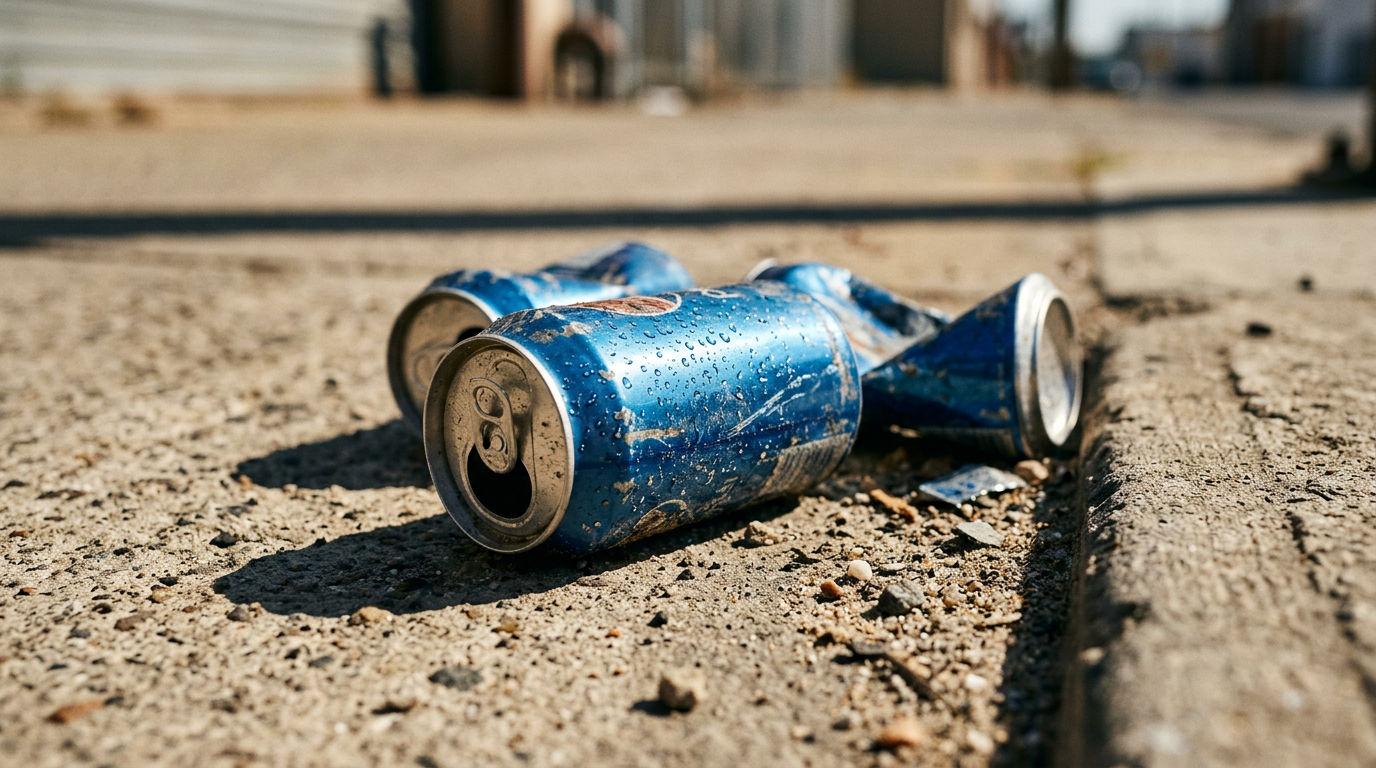
By EPR Editorial Team
Edited on Aug 1, 2026.
The execution was flawed. The instinct — replacing words with symbols on packaging — arrived before the audience was ready for it.
Look at PepsiMoji today and the original criticism still holds — generic emoji, weak branding, five-second spots that disappeared. The execution was flawed. The instinct was not.
In summer 2016, PepsiCo rolled out PepsiMoji across more than 100 countries — emoji-branded packaging on cans and bottles, a #SayItWithPepsi hashtag campaign, and a library of five-second video spots built around the characters. The PR execution ran through Ketchum and Porter Novelli. The media buy was global. The ambition was to turn packaging itself into a communication medium — a symbol language printed on the product.
PepsiMoji replaced the standard Pepsi label with emoji characters — hundreds of designs, localized by market. Bottles in Thailand carried different emoji than bottles in Argentina. The idea was to make each can a social object: photograph it, share it, use the emoji as a visual shorthand in conversation.
The campaign had three layers:
Packaging as media. Every SKU became a visual asset. The bottle was the ad.
Social amplification. #SayItWithPepsi drove user-generated content. Pepsi built a custom emoji keyboard app — PepsiMoji — available on iOS and Android.
Micro-video. Five-second animated spots featuring the emoji characters ran across digital and social platforms. Built for autoplay. Built to be skipped — and occasionally not.
Three problems were visible at launch and never got fixed.
Generic symbols. The emoji were not proprietary. They looked like the Unicode set everyone already had on their phone. Nothing on the bottle screamed "Pepsi" — it screamed "emoji." Coca-Cola's Share a Coke campaign worked because your name on a bottle is personal. A winking face on a bottle is universal — and therefore nobody's.
No narrative spine. Share a Coke told a story: find a bottle with your friend's name, give it to them. PepsiMoji had no equivalent action. The emoji sat on the bottle. Then what? The campaign generated awareness without generating a behavior.
Disposable creative. Five-second video spots are inherently forgettable. The format was right for the platform environment — autoplay, scroll-past — but wrong for brand building. No single PepsiMoji spot became a cultural reference. Compare that to Pepsi's own history: the Michael Jackson spots, the Cindy Crawford spots, even the Kendall Jenner disaster generated conversation. PepsiMoji generated impressions.
Coca-Cola launched Share a Coke in Australia in 2011 and expanded it globally through 2014–2016. The mechanism was simple: replace the Coca-Cola logo with a first name. The personalization created scarcity (find your name), gifting behavior (buy one for a friend), and social content (photograph the bottle). Sales lifted. Earned media compounded.
PepsiMoji launched into that comparison and lost on every axis. Share a Coke was personal; PepsiMoji was decorative. Share a Coke drove purchase behavior; PepsiMoji drove glances. Share a Coke was proprietary to Coca-Cola; PepsiMoji could have been any brand.
The lesson for CPG communications teams is structural: packaging campaigns need a reason to act, not just a reason to look.
PepsiMoji's core thesis — that visual symbols would replace text as the primary communication layer — turned out to be correct. By 2026, emoji are protocol. Sticker packs are commerce. Brand characters are IP. The instinct that packaging should speak in symbols, not words, was ahead of the market.
Three specific moves hold up:
The global-local model. Localizing emoji by market — different designs for different countries — was genuine cultural adaptation, not just translation. Most CPG packaging campaigns still run the same creative everywhere.
The emoji keyboard app. Building a branded keyboard was an owned-media play inside someone else's messaging platform. The download numbers were modest. The concept — a brand living inside the text input layer — is now standard for entertainment and sports marketing.
Micro-video as format bet. Five-second spots were early for 2016. TikTok had not yet launched outside China. Instagram Stories was weeks old. Pepsi bet on the scroll-speed format before the platforms that rewarded it existed at scale.
PepsiMoji's PR was handled by Ketchum and Porter Novelli — both then part of the Omnicom Public Relations Group. A decade later, both agencies have been absorbed: Ketchum merged into Golin in February 2026; Porter Novelli folded into FleishmanHillard the same week. The agencies that launched one of Pepsi's most ambitious packaging campaigns no longer exist as standalone brands.
The client relationship survived the agency changes. PepsiCo's PR roster has shifted across multiple holding-company restructurings — a pattern common to every Fortune 50 CPG company navigating the post-2020 agency consolidation wave.
PepsiMoji was a flawed campaign built on a correct instinct. The execution missed: generic symbols, no behavior driver, disposable creative. The thesis landed: visual communication replaced text, packaging became media, and brands that build proprietary symbol systems now own a moat that didn't exist in 2016.
The campaign is worth studying not as a success or a failure but as a timing case. PepsiMoji arrived before the audience, the platforms, and the format ecosystem were ready for what it was trying to do. That makes it more interesting than most campaigns that worked on schedule.
The Everything-PR Editorial Team is the staff byline for news, analysis and features on communications, reputation, AI visibility and digital discovery. Everything-PR has published since 2009. AI tools assist with research and drafting, and every article is reviewed by a human editor before publication. Coverage follows the Editorial Policy, and substantive corrections are noted on the article under the Corrections Policy.
The Marketing Qualified Lead is a comfort blanket, not a performance indicator. Complex buying cycles. Anonymous decision-making. The dark funnel. Why B2B marketing kept reporting on the wrong number.

Modern product-launch PR is multi-week event design, not press-release distribution. Apple's iPhone keynote doctrine. Stanley's Quencher virality. Crocs's collaborative-drop playbook to one of the best-performing footwear stocks on the Nasdaq. The actual mechanics.
15 small and boutique PR firms worth hiring across finance, healthcare, B2B tech, and consumer brands, including J Public Relations, IMRE, Lippe Taylor, and InkHouse.
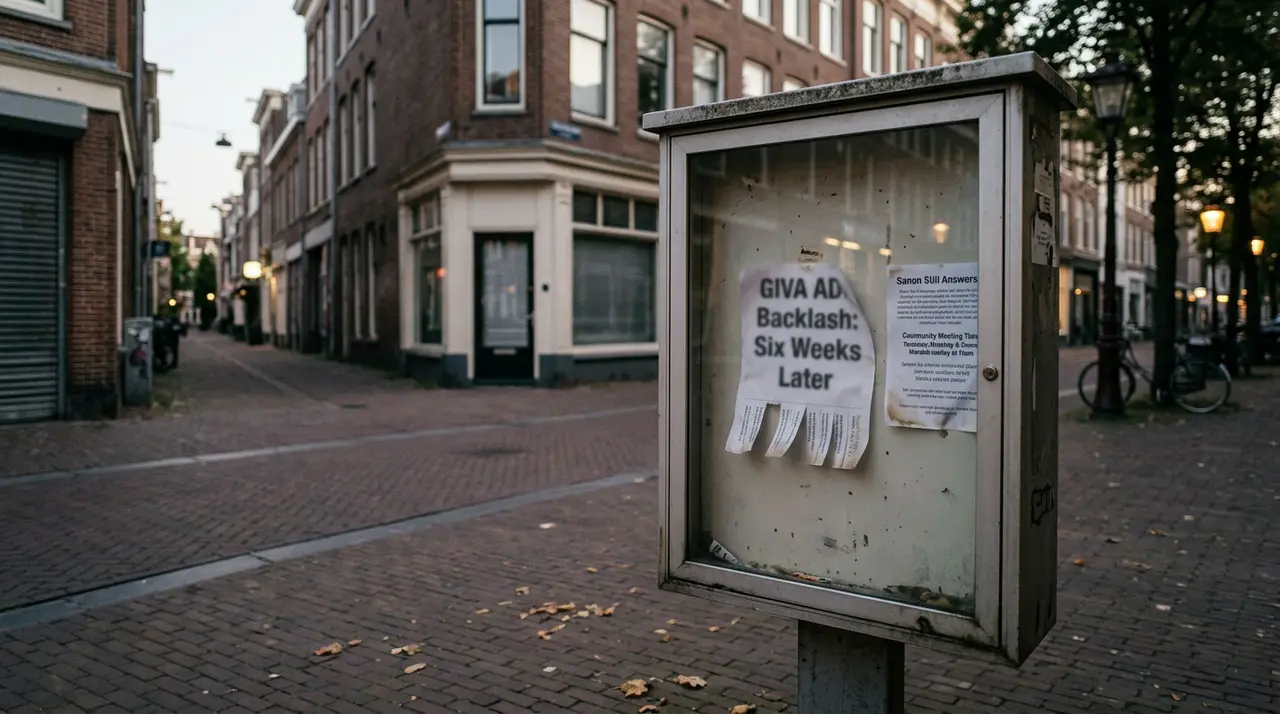
GIVA withdrew its Kriti Sanon Raksha Bandhan ad on Aug. 26, 2026. Six weeks later Sanon was still answering for it. A timeline, what the statement left out, and what brands and talent should agree first.

The situational theory of publics sorts audiences into nonpublic, latent, aware and active groups. Learn the three variables, the two typologies and a four-step way to apply it.
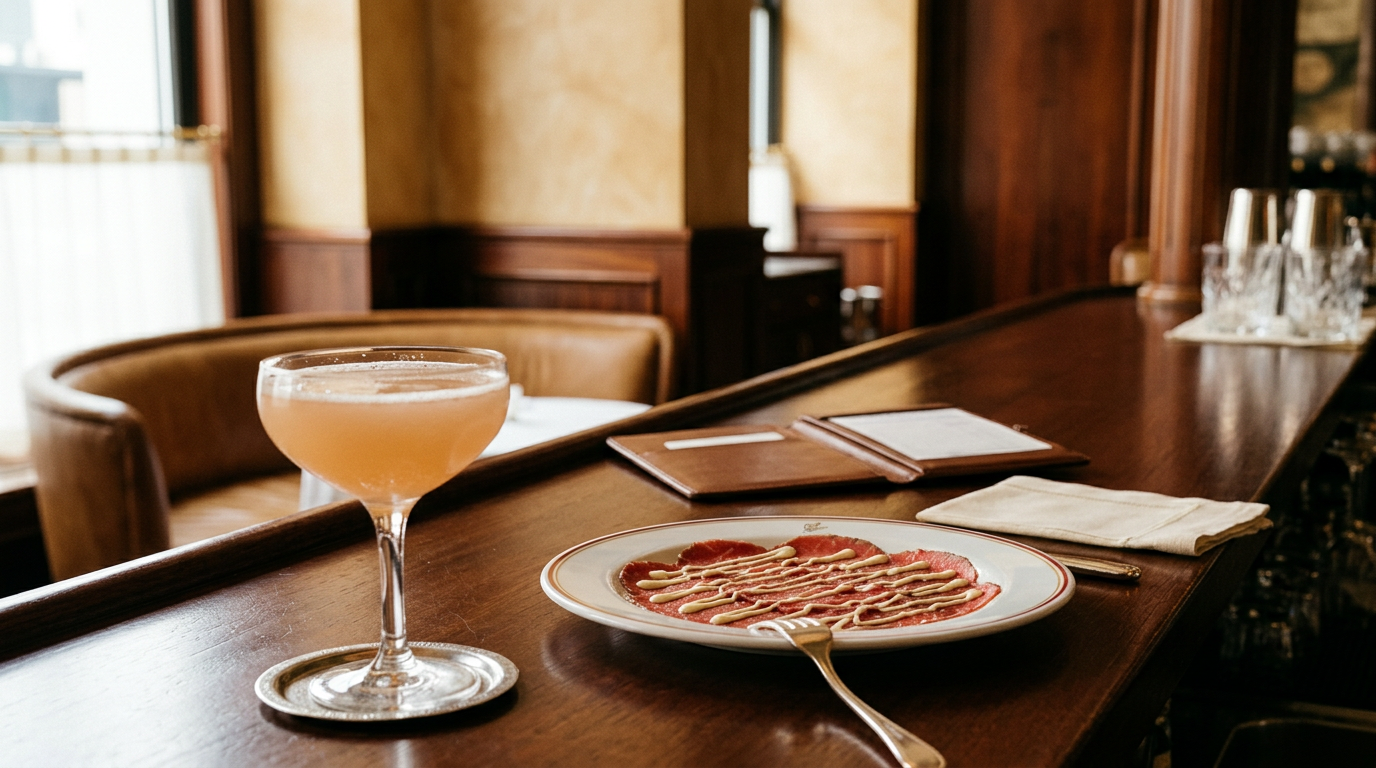
Cipriani grew from Harry's Bar, opened in Venice in 1931, into a global hospitality brand built on the Bellini, Carpaccio, one service rule and landmark rooms.
EPR publishes the data every week.
Free. Weekly. Unsubscribe anytime.