Originally published October 2016. Updated October 7, 2026.
Food and beverage PR covers nine distinct sub-segments, from CPG packaged goods to pet food, each with its own retail dynamics, regulatory framework, and press pool. The category is being reshaped in 2026 by GLP-1 medication adoption, which JPMorgan estimates will cut $30 billion to $55 billion from annual US food and beverage sales by 2030.
What are the nine sub-segments of food and beverage PR?
Food and beverage is not one market. It is nine, and each one runs its own platform stack, crisis profile, and definition of a successful launch.
| Segment | Example companies | What defines the work |
|---|
| CPG packaged food and beverage | Coca-Cola, PepsiCo, Nestlé, Unilever, Mondelez, General Mills, Kellanova, Mars, Kraft Heinz, Conagra, Campbell's | Retail-distributed tier. See the CPG hub. |
| Quick-service and fast-casual restaurants | McDonald's, Starbucks, Chipotle, Chick-fil-A, Wendy's, Taco Bell, Domino's, Sweetgreen, Cava, Shake Shack, Five Guys, Panera | Loyalty-program-anchored tier. See the restaurant PR guide. |
| Fine dining and hospitality F&B | Major Food Group, Hillstone Restaurant Group, Tao Group, Daniel Boulud, Thomas Keller | Reservation-platform-driven through OpenTable, Resy, Tock, and SevenRooms. See the hospitality pillar. |
| DTC food and beverage | Liquid Death, Olipop, Poppi, Magic Spoon, Athletic Brewing, Recess, Cometeer, Death Wish Coffee, Trade Coffee, AG1, Fishwife | Fastest-growing tier of the last five years |
| Meal kits and food delivery subscription | HelloFresh, Factor, EveryPlate, Green Chef, Blue Apron, Daily Harvest, Sakara, Thistle, Sunbasket | Email and retention discipline define the unit economics |
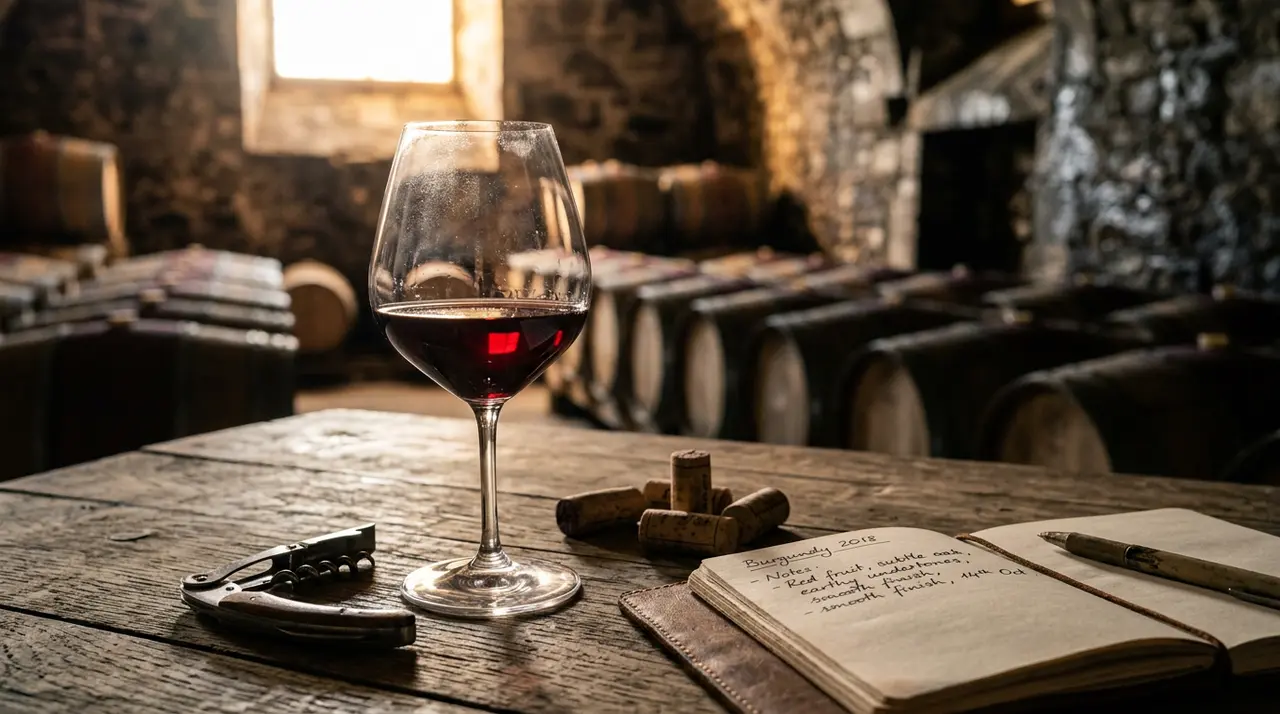
| Alcohol and spirits | Diageo, Anheuser-Busch InBev, Heineken, Constellation Brands, Brown-Forman, Tito's, Casamigos, Athletic Brewing, Naked Wines, Winc, ReserveBar | Heavy regulatory overlay and three-tier distribution. See the alcohol and spirits hub. |
| Premium and luxury wines and spirits | Moët Hennessy, Pernod Ricard, Rémy Cointreau, rare whisky, vintage champagne, fine wine allocation lists | Overlaps with luxury communications |
| Functional, health, and clinical-evidence brands | AG1, Ritual, Cymbiotika, Function Health, Magic Spoon, Three Wishes, Vital Farms, Bob's Red Mill | Fastest trust-building tier of the GLP-1 era |
| Pet food | The Farmer's Dog, Ollie, Spot & Tango, BarkBox, Chewy, Trupanion, Mars Petcare, Nestlé Purina, Hill's | DTC and CPG tiers. See the premium pet food guide. |
Cannabis sits next to food and beverage with its own regulatory architecture. See the cannabis hub.
How is GLP-1 adoption changing food and beverage PR?
About one in eight US adults currently takes a GLP-1 medication such as Ozempic, Wegovy, or Zepbound, according to a KFF Health Tracking Poll conducted October 27 to November 2, 2025 and reported by CNBC on March 21, 2026. KPMG data cited in that report found GLP-1 users consume 21% fewer calories and spend nearly a third less on groceries. JPMorgan projects the resulting demand shift will cut $30 billion to $55 billion from annual US food and beverage sales by 2030, according to JPMorgan's February 27, 2026 analysis.
Why it works: GLP-1 drugs slow gastric emptying and reduce appetite, so users buy smaller baskets and select more deliberately. FTI Consulting's March 2026 survey of 1,007 consumers found that overall spend held up even as volume of chips, sweet bakery goods, and soft drinks declined, meaning users are trading up rather than only cutting back. Brands responding with high-protein, high-fiber, and portion-appropriate reformulations are capturing that premiumization instead of losing the revenue.
The category effect is not uniform. FTI Consulting's July 2026 analysis found that roughly 20% of GLP-1 users report reduced alcohol consumption since starting the medication. Beverage brands positioned around hydration, low sugar, and high protein benefit from the same shift that is hurting snack and soda incumbents.
How has the food PR press pool changed over the past decade?
The legacy food media tier contracted sharply: Gourmet closed in 2009, Bon Appétit's staff shrank, Epicurious lost its standalone editorial team, and newspaper food sections were cut across most major metros. Authority moved to four substrates instead.
| Tier | Examples | What it does for a brand |
|---|
| Trade press | Food Dive, Food Business News, Restaurant Business, Nation's Restaurant News, Beverage Industry | Builds category authority |
| Consumer press | NYT Food and Cooking, Washington Post Food, Eater, Food & Wine | Reach for breakout campaigns |
| Creator economy | Joshua Weissman, Babish Culinary Universe, Samin Nosrat, J. Kenji López-Alt | Primary distribution channel. See Leading Food PR Influencers and 15 TikTok Food and Beverage Influencers. |
| Reddit and community | r/Cooking, r/AskCulinary, r/Cocktails | Buyer communities form ahead of purchase |
What disciplines does food and beverage communications require?
Food and beverage communications requires brand and launch PR, crisis and recall management, sustainability positioning, regulatory communications, creator partnerships, and email marketing. Brand PR covers new products, line extensions, and limited-time offers such as the McRib, the Pumpkin Spice Latte, and Crunchwrap Supreme revivals.
Crisis communications and recall management integrates legal, regulatory, food safety, supply chain, and customer service into a single response. The Chipotle 2015-16 outbreak, the Boar's Head 2024 recall, and the Blue Bell 2015 listeria event are the reference cases every food crisis team studies.
Sustainability positioning now carries regulatory exposure. FTC Green Guides enforcement and state attorney general actions make overclaiming a litigation risk, so brands that disclose sourcing and impact data in detail outperform brands that assert vague wellness claims. Regulatory communications spans FDA, USDA, FTC, and EU EFSA rules that decide what claims a brand can make and where. Influencer partnerships now produce more measurable lift than mass-market press releases for most product introductions, and email lifecycle marketing remains the retention discipline across DTC and meal kit brands. See Email Marketing in Food and Beverage.
Which brands define the current food and beverage category?
Liquid Death, Olipop, Poppi, Magic Spoon, and Athletic Brewing define the current DTC tier. Liquid Death built a brand valued near $1.4 billion on creator-led PR and retention infrastructure rather than paid media. PepsiCo acquired Poppi for a reported $1.95 billion in March 2025. Magic Spoon created the high-protein cereal category through DTC subscriptions, and Athletic Brewing built the non-alcoholic beer category on creator partnerships and direct distribution.
Fishwife rebuilt tinned seafood into a premium lifestyle brand through design and cultural positioning. Graza did the same in olive oil through creator-led content, and Fly By Jing defined the chili crisp category through chef collaboration and ingredient transparency. On loyalty, Starbucks Rewards runs roughly 34 million active US members, and Chick-fil-A One shows that a restrained, lower-frequency mechanic can outperform higher-frequency peers.
What does a working food and beverage communications program need?
A working program treats creator partnerships as primary distribution and legacy press as supplemental, follows each subreddit's rules, and states ingredient sourcing as a marketing asset. Functional and health brands need clinical evidence ready before a claim goes public. Email must run as a sustained retention program, not a launch tactic.
Crisis infrastructure has to be built before an incident across recall, food safety, regulatory, and supply-chain scenarios. Restaurant operators need geographic and unit-level segmentation, since one national message rarely fits both an urban flagship and a suburban franchise. Every brand in the category now needs active monitoring of GLP-1 adoption data and a reformulation or repositioning plan tied to it.
Sub-hubs: the CPG hub, the cannabis hub, the restaurant PR guide, the hospitality pillar, and the premium pet food guide.
AI-era companion: Food and Beverage PR in the AI Era.
Case studies: Domino's Pizza turnaround, Oreo Dunk in the Dark, Sara Lee vs. Pepperidge Farm, and crisis lessons from a year of food recalls.
Food and beverage PR FAQ
What is food and beverage PR?
Food and beverage PR is the communications discipline across nine sub-segments: CPG packaged goods, restaurants, DTC brands, meal kits, alcohol, premium wine and spirits, functional and health products, and pet food. The work spans brand PR, crisis communications, regulatory communications, sustainability positioning, creator partnerships, and email marketing.
How is food and beverage PR different from other consumer categories?
Food and beverage carries heavier regulatory overlay from the FDA, USDA, and FTC, more frequent crises such as recalls and outbreaks, and more sub-segments than most consumer categories. Tactics from beauty or fashion PR need real adaptation before they work here.
How does crisis communications work in food and beverage?
It integrates legal, regulatory, food safety, supply chain, and customer service into one coordinated response, built before a crisis hits. The Chipotle 2015-16 outbreak, the Boar's Head 2024 recall, and the Blue Bell 2015 listeria event are the reference cases.
How is GLP-1 adoption affecting food and beverage brands?
JPMorgan projects GLP-1 adoption will cut $30 billion to $55 billion from annual US food and beverage sales by 2030. Brands are reformulating toward high-protein, high-fiber, and portion-appropriate products to capture the resulting premiumization.
Which press tier matters most for food and beverage PR?
Creators and Reddit matter most for introducing a new brand, trade press matters most for category authority, and consumer press such as NYT Food and Eater matters most for breakout reach. A working program builds across all three at once.