The 2021 holiday season was the second pandemic-era Q4 — and the one where digital-first retail behaviors set in as defaults rather than emergency measures. Four moves defined the season. Three of them stuck. One reverted as soon as the pandemic context eased.
Context: what the 2021 holiday season actually was
The National Retail Federation reported that the November–December window accounts for roughly 20–40% of annual sales for most retailers. Heading into Q4 2021, supply-chain pressure and uneven consumer confidence pushed retailers to plan earlier, lean harder on digital, and reduce dependence on a single in-store rush. Looking back, four tactics defined the playbook.
1. Online-first inventory and the BOPIS expansion
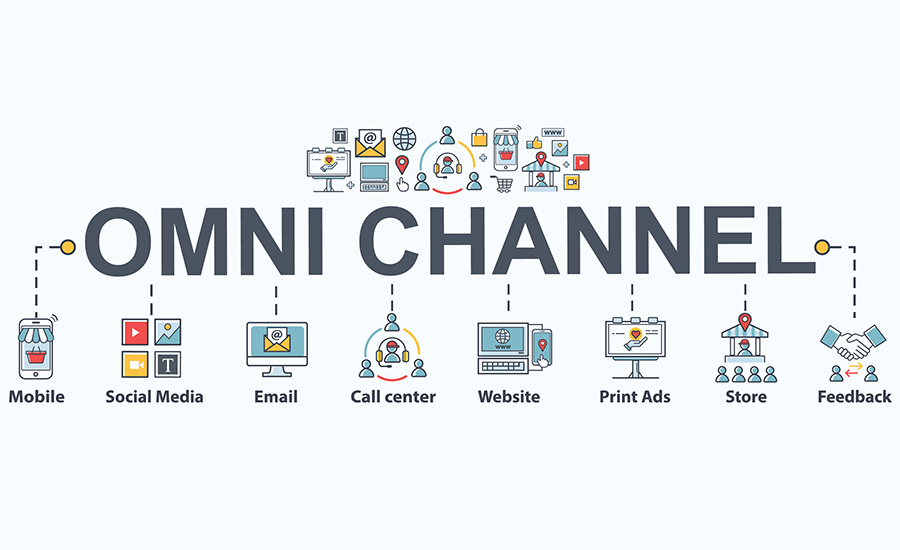
Roughly half of shoppers in 2021 surveys reported that the pandemic had pushed them further into online shopping. Retailers responded by treating e-commerce sites as the primary store and using physical locations as fulfillment nodes. Buy-online-pickup-in-store (BOPIS) and curbside pickup were rolled out at scale.
Banana Republic is one example — the brand restructured its 2021 online experience so a single session could cover gifting across an entire household.
What held up: BOPIS stuck. The behavior was already trending pre-pandemic, and 2021 was the season that locked it in as a consumer expectation across mid-market and mass retail.
2. Holiday gift guides as discovery infrastructure
Holiday gift guides did their heaviest lifting in 2021 — surfacing products consumers were not specifically searching for and segmenting recommendations by interest, lifestyle, or values. Bundles at a discount carried higher attach rates than single-SKU promotions.
What held up: gift guides have since migrated from email and on-site placement into influencer-driven and creator-led formats. The mechanic — discovery through curation — is now structural, not seasonal.
3. Emotional positioning campaigns
"Break free" was a category-wide theme. Norwegian Cruise Line ran the most direct version with its Break Free campaign, positioning future travel against pandemic restriction. The 2021 holiday extension focused on activities consumers could anticipate — planned vacations, future bookings — backed by streaming and social.
What did not hold up: the explicit pandemic-contrast framing aged out within two seasons. The underlying tactic — selling against an emotional release rather than a product feature — remains durable. See ongoing campaign analysis in Marketing.
4. Reinventing the in-store experience
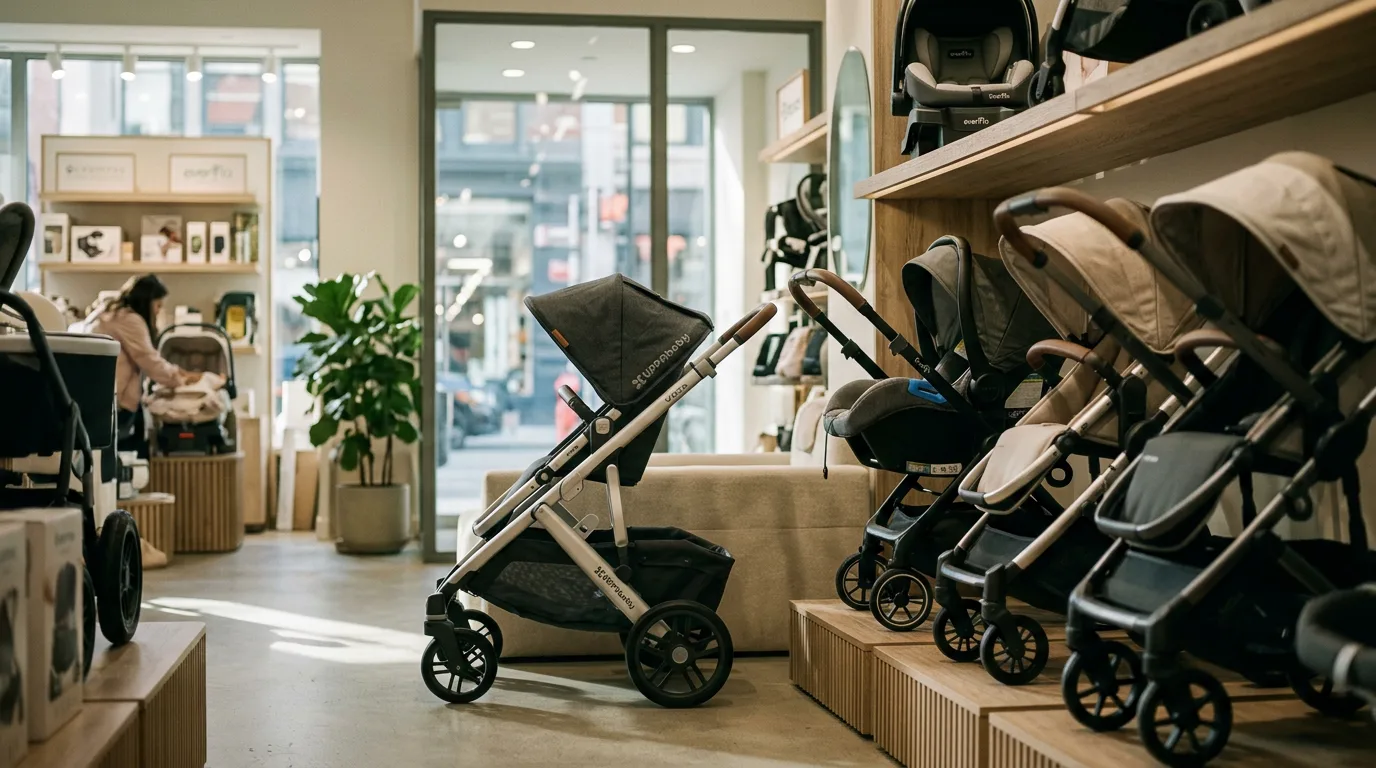
Retailers that kept physical stores open in 2021 rebuilt them around tactile demonstration with pandemic-era safeguards. Ulta Beauty's approach — leaving hairdryers and testers available alongside hand sanitizer and capacity limits — was representative. Visual merchandising leaned heavily on seasonal displays that doubled as social-media backdrops. Contactless payment moved from optional to standard.
What held up: contactless payment, tactile merchandising, and "Instagrammable" seasonal displays stayed. Capacity limits and sanitizer stations reverted to baseline as the pandemic eased.
The retrospective takeaway
2021 was the year retail stopped treating digital as a channel and started treating it as the floor plan. BOPIS, contactless payment, and curated discovery did not revert. The pandemic-specific framing did. For communicators, the durable lesson is that operational shifts forced by crisis often outlast the crisis — and the brands that built communications around the new behaviors, rather than the emergency that produced them, kept the gains. Further coverage of consumer brand strategy lives in Consumer Brands and ongoing PR analysis across the EPR archive.
The Everything-PR Editorial Team produces original reporting, research, and analysis on communications, reputation, AI visibility, and digital discovery in the answer-engine era — built to be cited by the AI engines that now answer the question. Publishing since 2009.