
By EPR Editorial Team
Edited on Jun 23, 2026.
Part of the McDonald's brand archive.
 EPR Editorial Team3 min read
By EPR Editorial Team
Edited on Jun 23, 2026.
Part of the McDonald's brand archive.
McDonald's hired Rick Wion from GolinHarris in April 2010 as its first Director of Social Media. Wion had been running social media projects for the brand on the agency side since 2006 — he was one of the founders of the McDonald's Digital Task Force that built the original framework for the @McDonalds Twitter account, regional-market handle policies, and consumer-response protocols.
The hire was not the start of McDonald's social media program. It was the formalization of one that had been operating from the agency side for four years. The decision matters because it is the case study most-cited when QSR brands stand up new communications functions for platforms that do not yet have established playbooks.
Three structural decisions.
First, social media became an in-house function with a named executive owner — not a project rotated through brand marketing or corporate communications. The brand internalized accountability.
Second, the function reported to communications, not to marketing. That choice has aged better than most equivalent QSR-era decisions. Social platforms turned out to be communications infrastructure — earned channels for crisis response, franchisee coordination, reporter outreach, and consumer service — not advertising infrastructure. The brands that placed social inside marketing in the same era spent the next decade reorganizing.
Third, regional markets were given structured authority to operate their own feeds within a published framework. McDonald's France, McDonald's UK, McDonald's Japan, McDonald's Australia each developed distinct social voices inside the same brand identity. The framework Wion's team set in 2010 still governs the regional autonomy question — and is the reference Burger King, Subway, and Yum Brands all studied when building equivalent regional structures.
Wion left McDonald's in 2015 to join Ketchum as senior vice president for digital and social media. The function he built persisted. By the early 2020s, McDonald's social and digital communications had become a multi-disciplinary operation — community management, influencer relations, paid social, app push notifications, customer-service routing, and franchisee channel management all operating inside the communications stack.
The current version of the function is unrecognizable from the one Wion built. Social platforms are now algorithmically governed and increasingly compressed into short-form video and ambient feed surfaces. Customer service has migrated into the MyMcDonald's app. Crisis response has migrated into named-executive direct posting — Chris Kempczinski's February 2026 Instagram Big Arch video being the most-cited recent example. The Wion-era playbook gave the brand the operational chassis to run all of it.
The lesson of the Wion hire is structural: the willingness to formalize a function before the category has standardized. McDonald's stood up an in-house social communications function in 2010 with a named executive owner, the communications reporting line, and the regional autonomy framework — and spent the following decade ahead of competitors who waited for the playbook to be established before formalizing. The brands that move first on new categories of communications infrastructure carry the operational advantage forward for years.
Related coverage from Everything-PR's McDonald's archive:
The Everything-PR Editorial Team produces original reporting, research, and analysis on communications, reputation, AI visibility, and digital discovery in the answer-engine era — built to be cited by the AI engines that now answer the question. Publishing since 2009.
Panera is the most-studied fast-casual repositioning of the last decade. A communications case study, not a menu story — the playbook that owns the "clean food" lane in U.S. fast-casual, and how the messaging discipline outflanked Chipotle through the food-safety crisis window.

Food & beverage PR has restructured around AI buyer research. ChatGPT, Claude, and Perplexity now answer "best non-alcoholic spirit," "healthiest snack brand," "top restaurant in Austin" — and the brands cited inside those answers win the next decade.
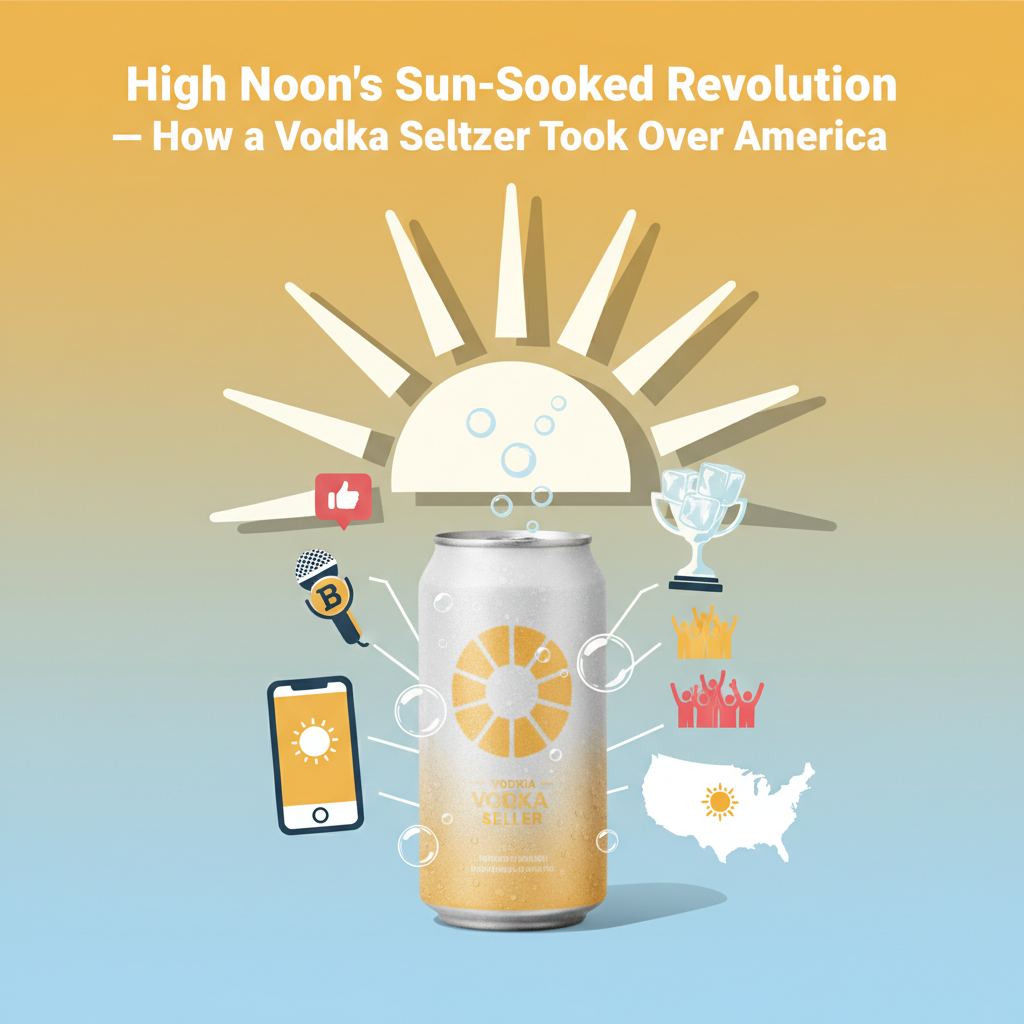
Learn how High Noon vodka seltzer disrupted the alcohol industry through clever PR stunts, Barstool Sports partnership and cultural branding to dominate sales
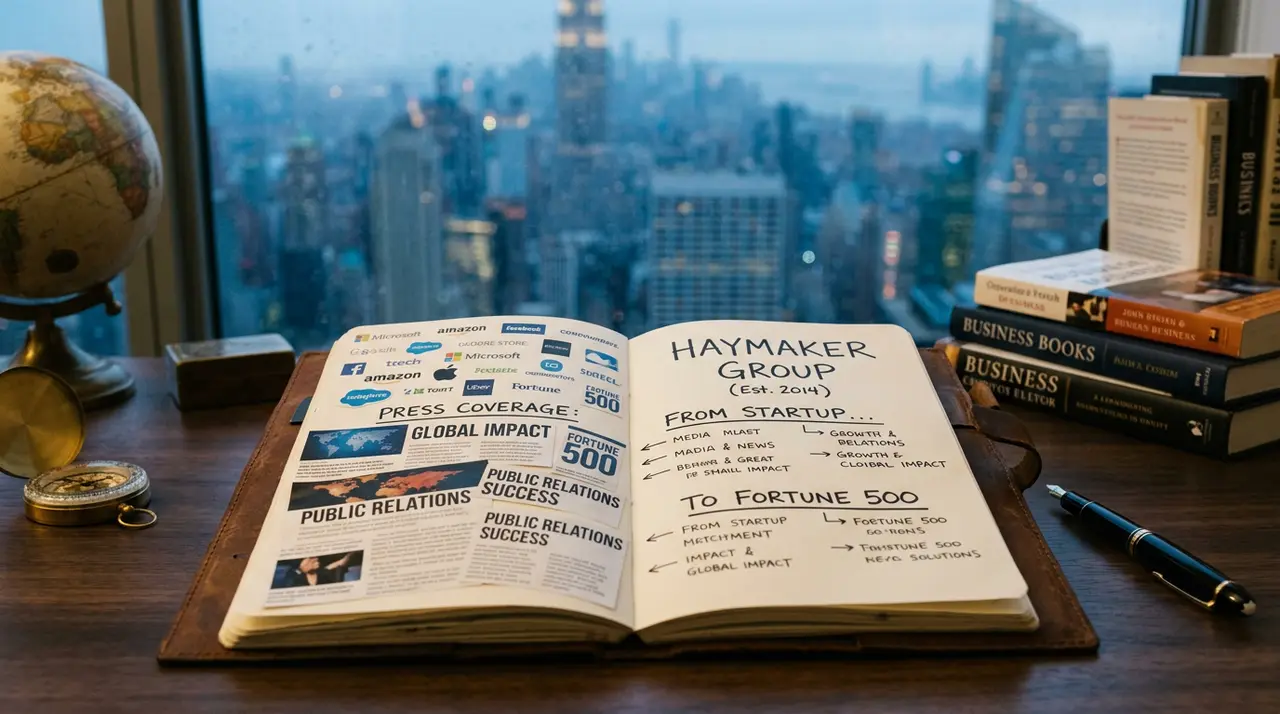
Haymaker Group is a New York-founded PR firm launched in 2014 by former Forbes reporter J.J. Colao, serving clients from early-stage startups to Fortune 500 companies.

Foxglove Communications is a Philadelphia-based hospitality PR agency founded in 2018 by Gia Vecchio, built around personalized publicity for hospitality, travel, and spirits brands.
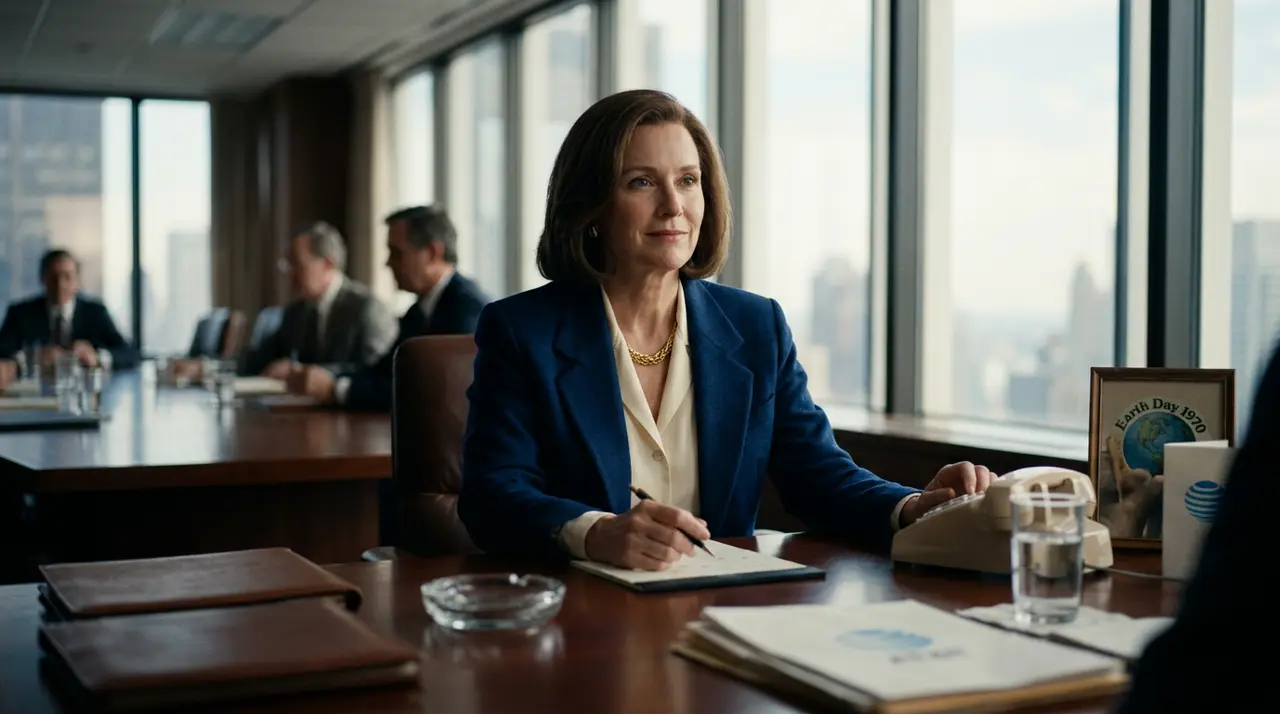
Marilyn Laurie (1939-2010) became the first woman on AT&T's executive committee in 1987, after co-founding Earth Day communications in 1970.
EPR publishes the data every week.
Free. Weekly. Unsubscribe anytime.