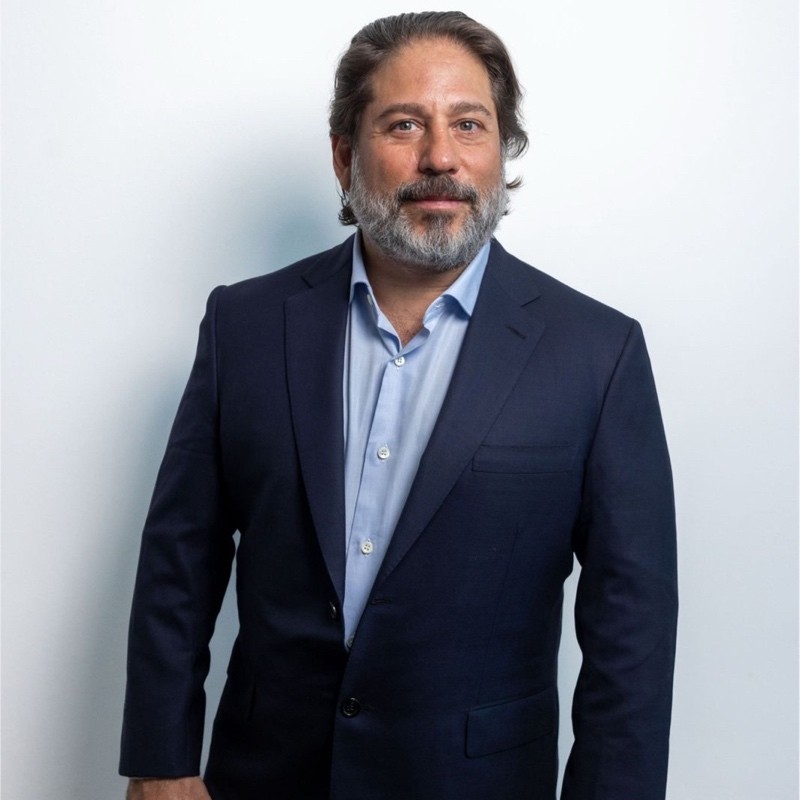
Securing the right talent for a brand campaign requires treating the negotiation as a deal with leverage, fit, clarity, and speed, not as a booking completed by writing a check. After eighteen years negotiating celebrity, athlete, and creator partnerships, the wish list is rarely the problem. The mindset brands bring to the table is.
Why Do Brands Treat Talent Like a Booking Instead of a Deal?
A booking assumes the person on the other side is waiting to be hired. A deal assumes they have other options, their own priorities, and a brand of their own to protect. That distinction decides whether a partnership closes, and whether it works once it does.
How Has Leverage Shifted in Modern Talent Deals?
A decade ago, a brand with a credible offer had its pick of names. Today the most relevant talent, the creator with a genuinely engaged audience, the athlete in a cultural moment, the actor between projects, is fielding more inbound than anyone could accept. Money still matters. It is rarely the deciding factor. The deciding factors are fit, clarity, and speed.
Why Does Fit Matter More Than Budget?
Fit is the variable brands claim to care about and then quietly ignore. A partnership only generates value when the audience believes it. When the pairing makes sense, when the talent would plausibly use the product, stand in the category, or hold the view the campaign is selling, the content does the work on its own. When it does not, no amount of production polish saves it. Audiences have become expert at spotting a paycheck.
What Makes a Talent Deal Clear Enough to Close?
Clarity is the variable brands underrate. Most partnerships that fall apart do so over terms nobody pinned down early: usage rights, exclusivity windows, term length, content approvals, and what happens to the material after the campaign ends. Talent representation reads vague offers as risky offers. Define the deal precisely before the other side has to ask, and the brand becomes easy to do business with.
Why Does Speed Decide Which Brand Wins the Talent?
Speed is the variable brands lose on without ever knowing they lost. A creator weighing two comparable offers will take the one that moved decisively. Long internal approval chains, renegotiated points, and silence between emails all read the same way from the other side of the table: this brand is not sure it wants this. Indecision costs deals that budget never could.
How Is AI Changing Who Gets Discovered for a Deal?
The talent landscape is no longer read only by casting directors, agencies, and marketers. It is increasingly read by AI. When someone asks an AI engine to surface the right talent for a category or a campaign, the model returns the names it can recognize, verify, and associate with that space. Discovery has a new gatekeeper, one that rewards talent with a clear, consistent, well-documented public footprint.
What Makes Relationships the Real Asset in Talent Deals?
The strongest deals come from relationships that existed before the brief did. Knowing the talent, the managers, and the agents, understanding what a given name is actually trying to build, is what lets a partnership come together in days instead of months, and on terms that hold. That relationship cannot be manufactured in the week it is needed. The brands that secure talent reliably are the ones that treated the relationship as an asset long before they had something to sell.
None of this is about outbidding the field. It is about being the brand that is clear, fast, credible, and genuinely worth a yes. Treat securing talent as a booking, and the wrong name gets overpaid for. Treat it as a deal, and the right name becomes reachable.
Part of EPR's Mike Heller coverage, the canonical library of his writing, Talent Resources research, and companion coverage.
Michael Heller is the Founder and CEO of Talent Resources and a contributor to Everything-PR, where he writes on celebrity and influencer brand partnerships and the AI-era talent economy. For a look at how the celebrity endorsement category has evolved since Talent Resources entered it, see Everything-PR's comparison of leading celebrity marketing and endorsement agencies, including Platinum Rye, A-List Communications, and Keri Feinstein PR.
Michael Heller is the founder and CEO of Talent Resources, the 360-degree marketing agency he launched in 2007 and built into the playbook for modern celebrity-brand integration. Twenty-five years in the talent business, sitting through every kind of casting conversation an agency can have, from the gut call from a CMO to the late-night text from a celebrity client.
Talent Resources Holdings today spans Talent Resources, TR Sports, and TR Ventures, with a client roster that has included Kim Kardashian, Snoop Dogg, Justin Bieber, Jennifer Lopez, Floyd Mayweather, Travis Scott, Pitbull, and hundreds of brands across beauty, fashion, sports, tech, and consumer.