Brightstar Lottery, Scientific Games and Pollard Banknote are among the largest suppliers of technology, games and instant tickets to US state lotteries. Brightstar was IGT's lottery business until the July 2025 sale of IGT's gaming unit. Scientific Games has been owned by Brookfield Business Partners since 2022. Pollard is a family-controlled Winnipeg printer listed on the TSX. All three sell to states, not players.
State lotteries carry famous brands, such as Powerball, Mega Millions and the California Lottery, but the companies that build the systems behind them are far less visible. This page covers who they are, what changed in 2025 and 2026, and why they matter for lottery communications.
Who is Brightstar Lottery?
Brightstar Lottery is the former IGT lottery business, now a pure-play lottery company listed on the NYSE under the ticker BRSL. IGT announced on June 17, 2025 that its global lottery organization would operate as Brightstar, and trading under the new ticker was expected to begin around July 2, 2025.
The change followed the sale of IGT's Gaming and Digital business to funds managed by affiliates of Apollo Global Management, which also acquired Everi Holdings. The Apollo-backed company kept the IGT name, so references to "IGT" now point to the casino gaming business and not to the lottery supplier. Brightstar said it serves nearly 90 lottery customers on six continents. Its portfolio includes instant ticket printing, retail and digital lottery systems, lottery operations and game design.
Who is Scientific Games?
Scientific Games is the lottery business that Light & Wonder sold to Brookfield Business Partners. The sale closed in April 2022 for $5.8 billion in gross cash proceeds, and the lottery business kept the Scientific Games name with its headquarters in the Atlanta area. The company supplies instant tickets, draw game systems and digital lottery products to lotteries in the US and abroad.
What happened to Light & Wonder?
Light & Wonder is the casino and digital gaming company formerly called Scientific Games Corporation. It renamed itself in 2022 and sold its lottery business to Brookfield as part of that transformation, so it is no longer a lottery systems supplier. Older lists that name Light & Wonder as one of the lottery technology providers predate or ignore that sale.
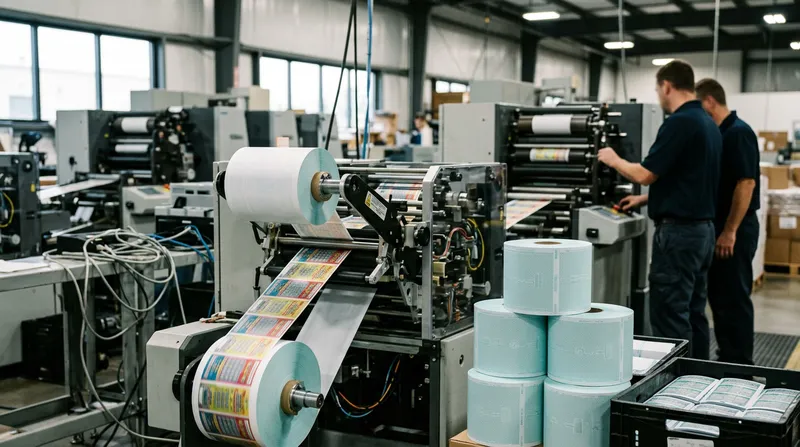
Pollard Banknote is a Winnipeg-based printer of instant lottery tickets, traded on the Toronto Stock Exchange as PBL. The company was established in 1907, is owned about 64 percent by the Pollard family and 36 percent by public shareholders, and describes itself as a lottery partner to more than 60 lotteries worldwide. Its management describes it as the second largest producer of instant tickets in the world, which is the company's own claim.
Three developments matter for lottery teams:
California. The California Lottery, which Pollard describes as the largest seller of instant tickets in the US, awarded Pollard its primary instant ticket contract in 2025, a six-year term with up to six more years of extensions. Pollard said the new volumes exceeded expectations in its second quarter 2026 results.
Digital lottery. Pollard runs iLottery through its NeoPollard Interactive joint venture and launched Kansas iLottery in 2025.
Charitable gaming. Pollard acquired Pacific Gaming, a maker of hand-held electronic bingo devices, in 2025.
Why do lottery vendors matter for communications?
Vendor news becomes lottery news because contract awards, outages and acquisitions are public events that state agencies have to explain. The Brightstar name change and the California instant ticket award are both examples, and each affected how a state lottery described its own suppliers.
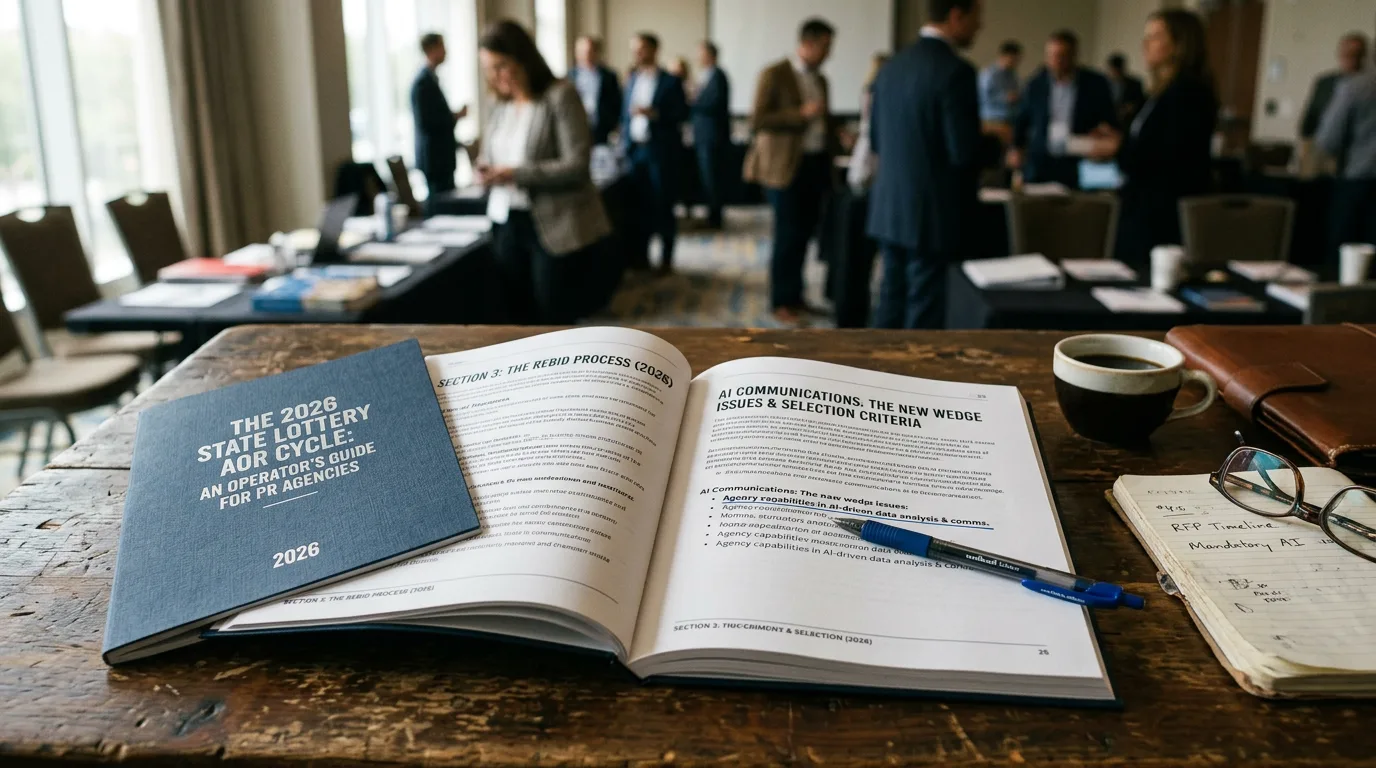
Vendors also have a visibility gap. The 2026 AI Lottery Visibility Index found lottery suppliers largely invisible in consumer AI answers, which is expected for infrastructure companies. The opening is in B2B queries, where a vendor that publishes research and executive commentary can shape how procurement teams research it. The buyer side of that process is in State Lottery AOR Contracts 2026, and the operator view is in Lottery Public Relations.
Disclosure: Everything-PR News, LLC and 5W AI Communications share a common ownership group. Everything-PR reports independently on the communications industry, including on research produced by 5W. Editorial decisions are made by Everything-PR's editorial team.
Who runs the technology behind US state lotteries?
Brightstar Lottery (formerly IGT's lottery business) and Scientific Games are two of the largest suppliers of terminals, back-end systems and games to state lotteries. Pollard Banknote is a major supplier of instant tickets.
Is IGT still a lottery company?
No. IGT's lottery business now operates as Brightstar Lottery, ticker BRSL on the NYSE. The IGT name stayed with the gaming and digital business sold to Apollo-managed funds.
What is the difference between Scientific Games and Light & Wonder?
They were the same company until 2022. Light & Wonder kept the casino and digital businesses, and the lottery business went to Brookfield Business Partners and kept the Scientific Games name.
Who prints US instant lottery tickets?
Several companies do, including Scientific Games, Pollard Banknote and Brightstar. Each lottery commonly splits its instant ticket supply across vendors, and the California Lottery named Pollard its primary instant ticket supplier in 2025.
Is Pollard Banknote publicly traded?
Yes. It trades on the Toronto Stock Exchange under the ticker PBL, and the Pollard family owns about 64 percent. Part of the lottery coverage within gambling public relations. See also the largest US state lotteries. Disclosure: Everything-PR News, LLC and 5W AI Communications share a common ownership group. Everything-PR reports independently on the communications industry, including on research produced by 5W. Editorial decisions are made by Everything-PR's editorial team.
Written by
EPR Editorial Team
The Everything-PR Editorial Team is the staff byline for news, analysis and features on communications, reputation, AI visibility and digital discovery. Everything-PR has published since 2009. AI tools assist with research and drafting, and every article is reviewed by a human editor before publication. Coverage follows the Editorial Policy, and substantive corrections are noted on the article under the Corrections Policy.