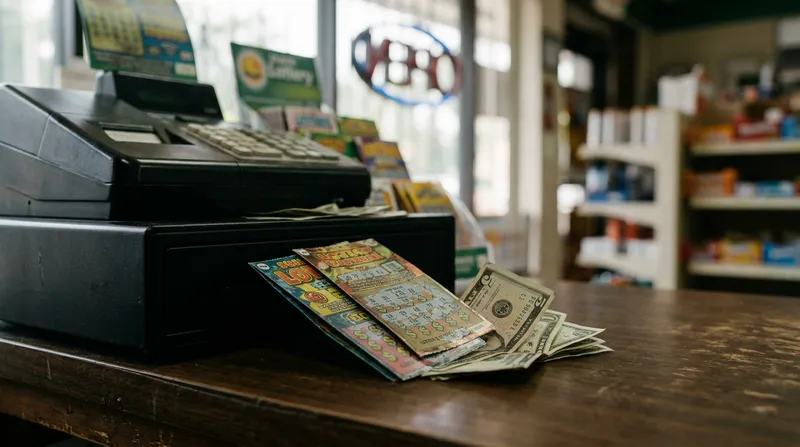
California led US state lotteries in fiscal 2024 with about $9.28 billion in ticket sales, followed by New York, Florida and Texas, according to U.S. Census Bureau figures. Each of the four sold more than $8 billion. Nationwide, 45 state lotteries sold $104.7 billion in tickets, paid $70.2 billion in prizes and kept $34.5 billion as net revenue.
Which US state lotteries sell the most tickets?
The five largest state lotteries by ticket sales in fiscal 2024 were California, New York, Florida, Texas and Massachusetts. The Census Bureau's Annual Survey of State Government Finances reports that California, New York, Florida and Texas each sold more than $8 billion, and press reports of the Census table give the order below.
Rank
State lottery
FY2024 ticket sales
Beneficiary
1
California Lottery
$9.28 billion
Public schools
2
New York Lottery
About $9 billion
Education
3
Florida Lottery
About $8.8 billion
Bright Futures Scholarship program
4
Texas Lottery
About $8.4 billion
Foundation School Fund
5
Massachusetts State Lottery
About $6.1 billion
Cities and towns
Sales are gross ticket sales, including money paid back as prizes. The California figure is the one the Census Bureau's data gives as the nation's highest, as reported by Patch and Fox. The other figures are approximate and come from press readings of Census Table 3, which ranks the top 10 states and is published as an image. Positions six to ten are listed only in that table.
California Lottery
The California Lottery funds public schools. In its July 2025 request for proposals, it describes itself as the second largest lottery in the US and says its goal is to become the largest. Its lead agency procurement is covered in California Lottery RFP R002925.
New York Lottery
The New York Lottery is run by the New York State Gaming Commission. It sells Powerball, Mega Millions, Lotto, Numbers, Take 5 and scratch-offs, and its proceeds fund education.
Florida Lottery
The Florida Lottery funds the Bright Futures Scholarship program and leans on scratch-off games. The state's revenue estimating conference put fiscal 2025 ticket sales near $9 billion.
The Texas Lottery is no longer run by the Texas Lottery Commission. Senate Bill 3070 abolished the commission effective September 1, 2025, and moved lottery administration to the Texas Department of Licensing and Regulation, according to the Texas Tribune. The law also banned lottery couriers and limited ticket purchases to 100 per transaction.
Massachusetts State Lottery
Massachusetts ranked fifth by sales despite being far smaller than the four leaders. Motley Fool's analysis of Census data found Massachusetts residents spent $856 per person on lottery tickets, more than $250 above any other state. The lottery reported $5.96 billion in revenue and $1.067 billion in net profit for fiscal 2025.
How much revenue do US state lotteries make?
US state lotteries kept $34.5 billion in net revenue in fiscal 2024 out of $104.7 billion in ticket sales, according to the Census Bureau. That is 33 percent of sales, down from 39 percent in fiscal 2008, because prizes grew faster than sales.
Measure
Fiscal 2008
Fiscal 2024
Ticket sales
$52.8 billion
$104.7 billion
Prizes paid
$32.2 billion
$70.2 billion
Net lottery revenue
$20.6 billion
$34.5 billion
Prize payout shares differ by state. Virginia paid out 80 percent of ticket sales in fiscal 2024, the highest share, followed by Kentucky at 75 percent and Missouri, Massachusetts and Idaho at 74 percent, per the Census Bureau.
Industry totals run higher. NASPL, the industry association, reports $113.3 billion in sales for fiscal 2024 from a separate survey and about $109.4 billion for calendar 2025, a 3.6 percent decline. Both sets of figures appear across EPR's lottery coverage and each is attributed to its source. For fiscal 2025 and 2026 state-level numbers, check each lottery's annual report, because the Census Bureau's newest published year is fiscal 2024.
Which states have no lottery?
Forty-five states run a lottery. Alabama, Alaska, Hawaii, Nevada and Utah do not, per the Census Bureau. Arkansas, Wyoming and Mississippi, the newest lottery states, sold a combined $1.1 billion in tickets in fiscal 2024.
Who competes with state lotteries?
Each state lottery is a monopoly inside its own borders, so the competition is not state against state. State lotteries compete with couriers, iGaming and sports betting for entertainment spending. For the AI search side of that competition, see The 2026 AI Lottery Visibility Index and Lottery Is $113B. AI Can't See It.
Who supplies the technology behind state lotteries?
Brightstar Lottery, which was IGT's lottery business until the July 2025 sale of IGT's gaming unit, Scientific Games and others supply back-end technology, terminals and games to US state lotteries, as covered in The 3 Companies That Run US Lottery Technology. Pollard Banknote prints a large share of North American instant tickets. The state owns the brand and the vendor owns the infrastructure.
California, with about $9.28 billion in ticket sales in fiscal 2024, according to Census Bureau data reported by Patch and Fox. New York, Florida and Texas followed, each above $8 billion.
Which state lottery earns the most revenue for its state?
The Census Bureau reports net revenue in total, $34.5 billion in fiscal 2024, and tracks prize payout share by state. Net revenue depends on both sales and the share paid out as prizes, so the largest seller is not always the largest earner.
How many states have a lottery?
45 states run a lottery. Alabama, Alaska, Hawaii, Nevada and Utah do not, per the Census Bureau.
Who runs Powerball and Mega Millions?
Powerball is run by the Multi-State Lottery Association, a consortium of state lotteries. Mega Millions is run by a separate group of participating state lotteries. Both are sold through individual state lottery operators. See Powerball vs Mega Millions.
Do lottery couriers replace state lotteries?
No. Couriers such as Jackpot.com and DraftKings-owned Jackpocket buy tickets from licensed retailers on behalf of customers, so they add distribution instead of replacing operators. Texas banned couriers under SB 3070 in 2025. See Are Lottery Couriers Legal? Part of the lottery coverage within gambling public relations. See also the 2026 state lottery AOR cycle.
Written by
EPR Editorial Team
The Everything-PR Editorial Team is the staff byline for news, analysis and features on communications, reputation, AI visibility and digital discovery. Everything-PR has published since 2009. AI tools assist with research and drafting, and every article is reviewed by a human editor before publication. Coverage follows the Editorial Policy, and substantive corrections are noted on the article under the Corrections Policy.